Top Picks

CARL’S PICK
TOKYO LAUNDRYCoats / Jackets Indus Wool Look Funnel Neck Collar Tailored Coat with Quilted Mock Insert in Navy
£59.99 TOKYO LAUNDRY

£21.00 PRETTYLITTLETHING

CARL’S PICK
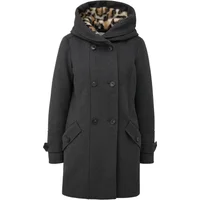
TOKYO LAUNDRYCoats / Jackets Uxmal Double Breasted Wool Look Pea Coat with Quilted Mock Insert in Black
£59.99 TOKYO LAUNDRY

£279.00
£209.25 DOROTHY PERKINS

SNEAKIN
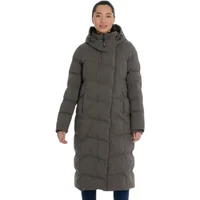
Women's coat VAUDE Coreway
£226.36 SNEAKINTOKYO LAUNDRY
Coats / Jackets Uxmal Double Breasted Wool Look Pea Coat with Quilted Mock Insert in Black
£59.99 TOKYO LAUNDRYTOKYO LAUNDRY
Coats / Jackets Indus Wool Look Funnel Neck Collar Tailored Coat with Quilted Mock Insert in Navy
£59.99 TOKYO LAUNDRY
LA REDOUTE
Checked Short Coat
£50.00 LA REDOUTE
LA REDOUTE
Warm Hooded Duffle Coat
£59.99 LA REDOUTE
MADE IN PARADIS
Merino 1/4 zip jumper Colorful Standard Navy Blue
£95.24 MADE IN PARADIS
TOKYO LAUNDRY
Coats / Jackets Indus Wool Look Funnel Neck Collar Tailored Coat with Quilted Mock Insert in Black
£59.99 TOKYO LAUNDRY
SNEAKIN
Women's coat VAUDE Tinshan III
£142.96 SNEAKIN
SNEAKIN
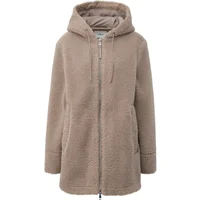
Women's Hybrid Wool Coat with Removable Hood s.Oliver
£106.89 SNEAKIN
LOUCHE
Louche Aldora Coat
£130.00 LOUCHE
TOKYO LAUNDRY
Coats / Jackets Uxmal Double Breasted Wool Look Pea Coat with Quilted Mock Insert in Navy
£59.99 TOKYO LAUNDRY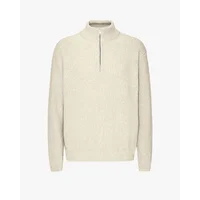
MADE IN PARADIS
Merino 1/4 zip jumper Colorful Standard Ivory White
£72.06 MADE IN PARADIS
MADE IN PARADIS
Merino 1/4 zip jumper Colorful Standard Marine Blue
£102.97 MADE IN PARADIS
SWEATY BETTY
Sweaty Betty Tempo Train Adjustable Crew Neck Sweatshirt, Red, Women's
£90.00 SWEATY BETTY
LA REDOUTE
Signatures Gregoire Oversize Duffle Coat
£199.00 LA REDOUTE
ALFREDO AFFILIATE PROGRAM
Cropped Winter Coat – Charcoal Wool
£125.00 ALFREDO AFFILIATE PROGRAMPRETTYLITTLETHING
Marl Grey Crew Neck Slouchy Zip Through Cardigan Sweater
£21.00 PRETTYLITTLETHING
SNEAKIN
Wool coat Tom Tailor
£68.26 SNEAKIN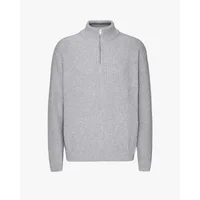
MADE IN PARADIS
Merino 1/4 zip jumper Colorful Standard Heather Grey
£62.41 MADE IN PARADIS
SNEAKIN
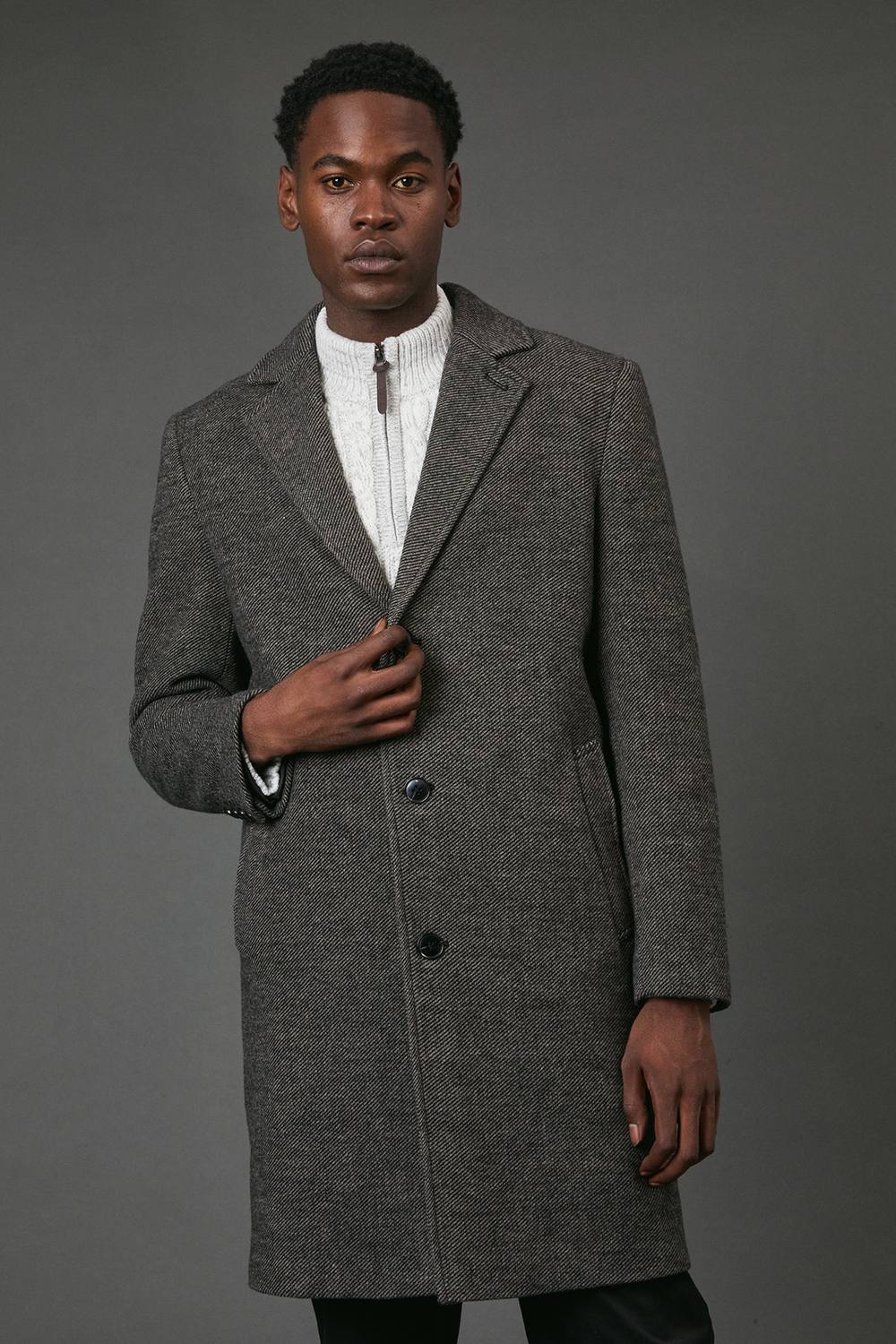
High Collar Wool Coat Tom Tailor
£108.59 SNEAKIN−68%
DOROTHY PERKINS
Debenhams Dark Brown Textured Wool Blend Epsom Coat
£118.75 £38.00 DOROTHY PERKINS−52%
DOROTHY PERKINS
Phase Eight Byanca Zip Knit Coat In Dusty Pink
£135.42 £65.00 DOROTHY PERKINS−37%
DOROTHY PERKINS
Phase Eight Byanca Zip Knit Coat In Mid Grey
£134.92 £85.00 DOROTHY PERKINS−25%
DOROTHY PERKINS
Phase Eight Byanca Zip Knit Coat In Charcoal
£135.00 £101.25 DOROTHY PERKINS−25%
DOROTHY PERKINS