
SNEAKIN
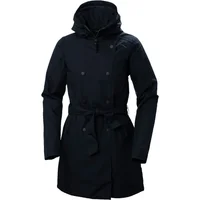
Women's waterproof jacket Helly Hansen Welsey II
£147.26 SNEAKIN
EGO
Long Sleeve Double Zip Oversized Hoodie In Red, Women's Size UK
£12.00 EGO
SWEATY BETTY
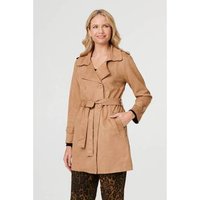
Sweaty Betty Motion Waterproof Trench, Brown, Women's
£250.00 SWEATY BETTY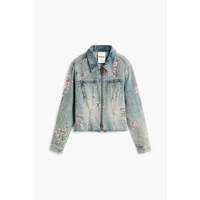
SNEAKIN
Women's denim jacket Desigual Flower Japanese
£111.68 SNEAKIN
TOKYO LAUNDRY
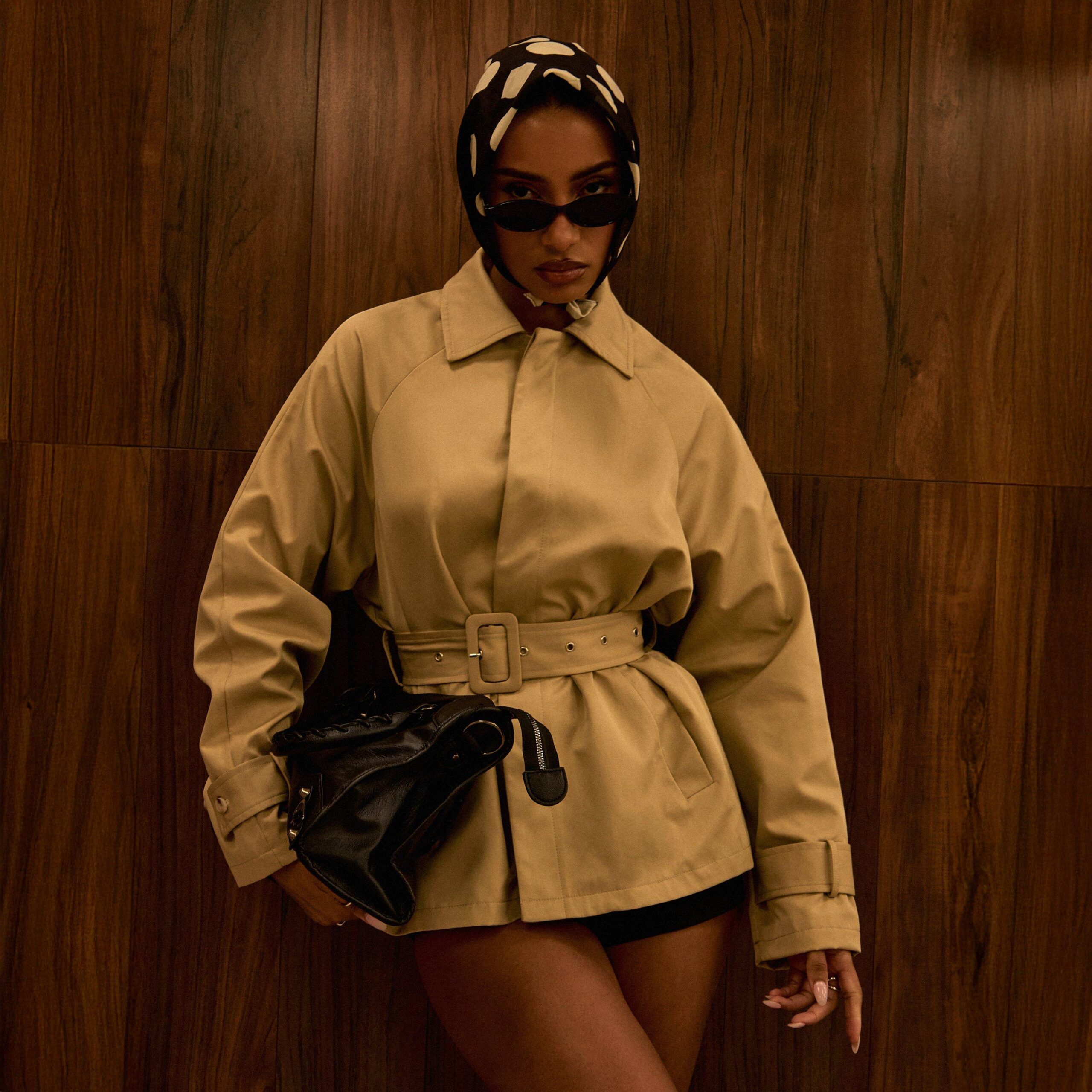
Jogger Shorts Tarou Brushback Fleece Jogger Shorts with Zip Pockets in Trench Coat
£12.99 TOKYO LAUNDRY
SNEAKIN
Women's coat Helly Hansen Avenue Trench
£123.96 SNEAKIN
LA REDOUTE
Long Dual Fabric Polo Collar Trench Coat
£80.00 LA REDOUTE
LA REDOUTE
Curve Waterproof Jacket with Tie
£65.45 LA REDOUTE
LA REDOUTE
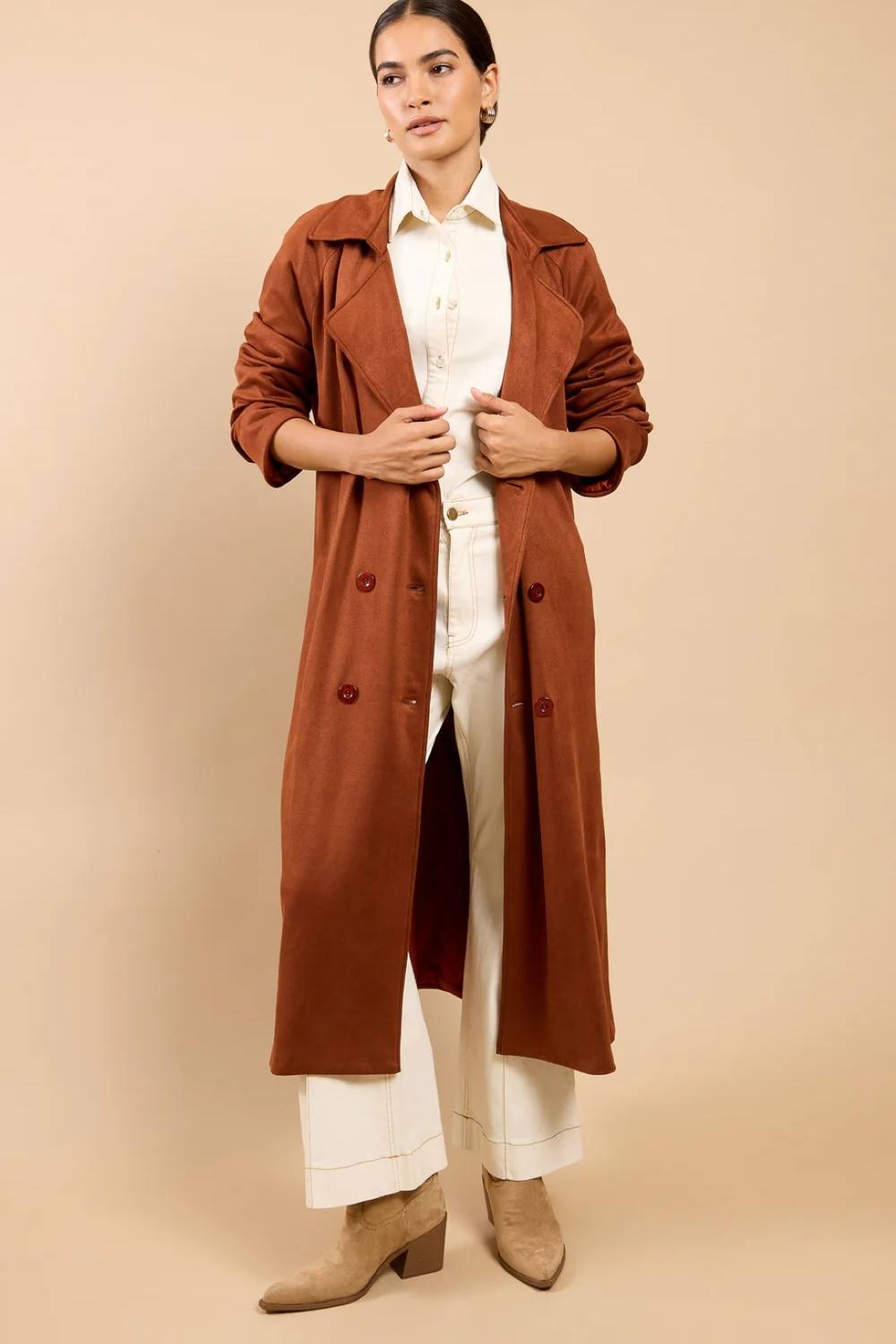
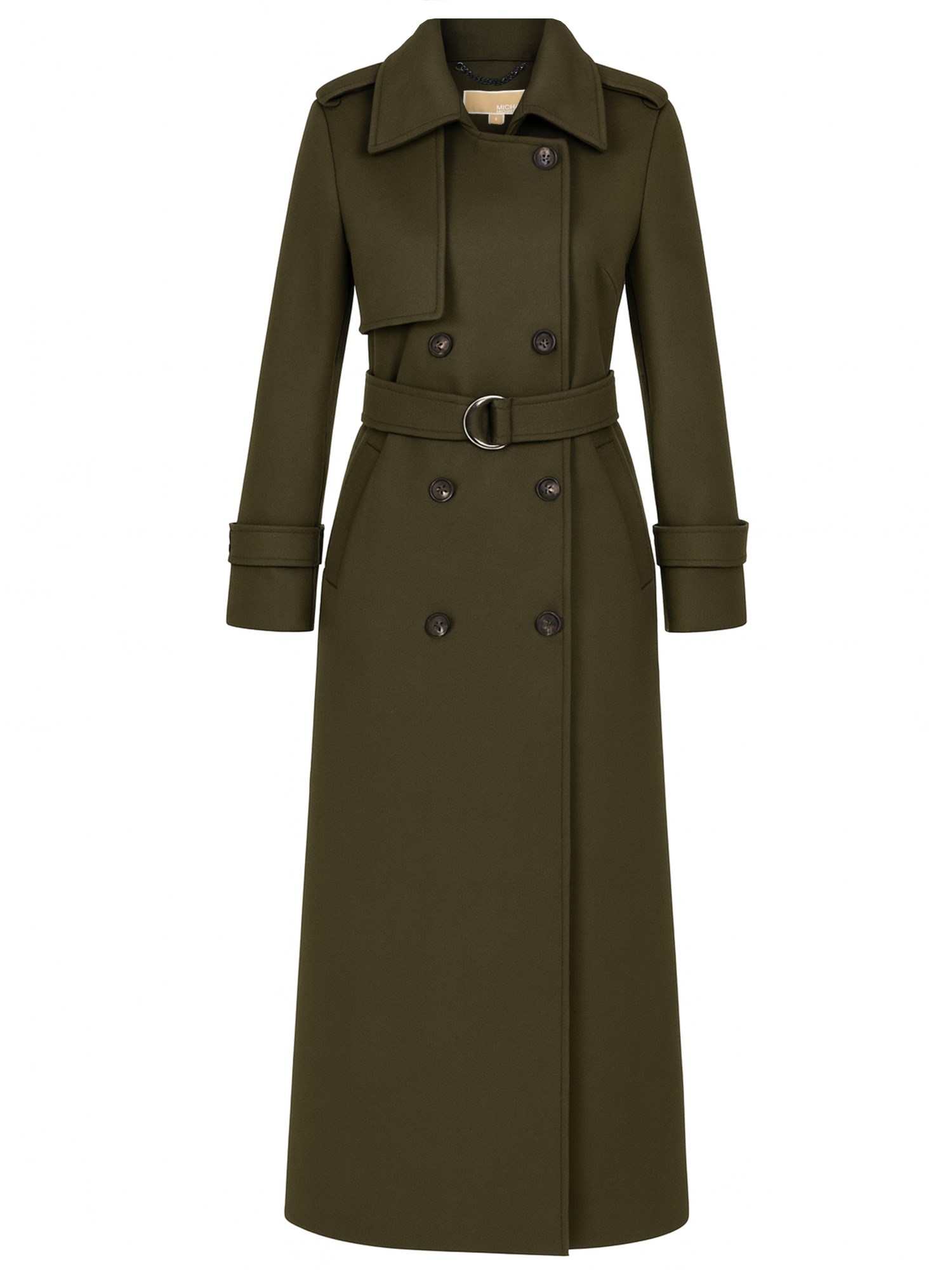
Sondre Bonded Long Trench Coat
£178.75 LA REDOUTE
MADE IN PARADIS
Mercedes AMG Parka Petronas Formula One Team Engineers
£223.88 MADE IN PARADIS
LA REDOUTE
Mid-Season Trench Coat
£39.99 LA REDOUTE
LA REDOUTE
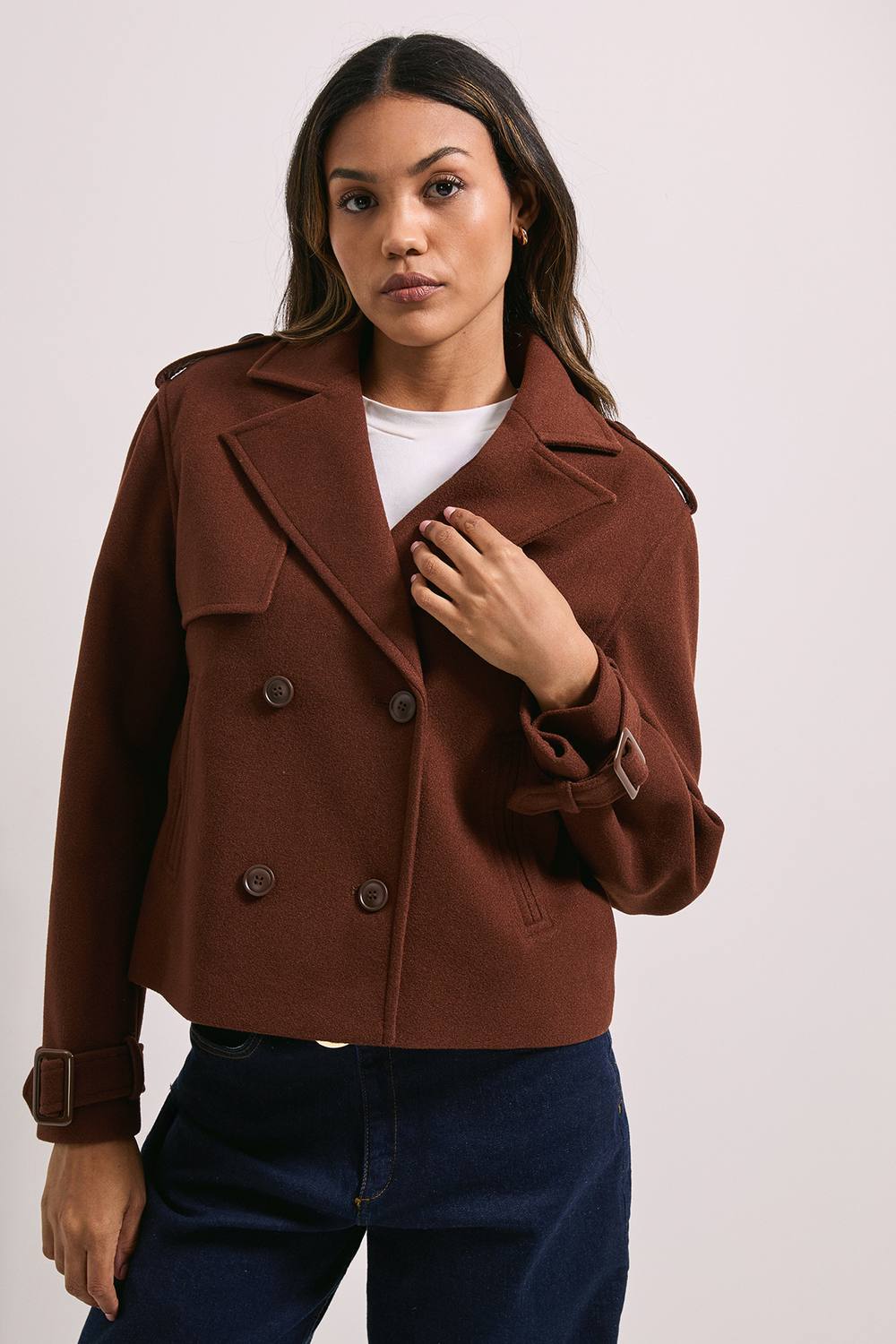
Short Zip-Up Trench Coat with Balloon Sleeves
£37.34 LA REDOUTE
EGO
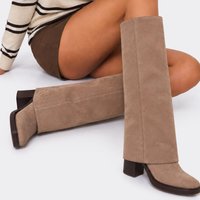
Special Pointed Toe Knee High Heeled Boot In Brown Faux Suede, Women's Size UK
£43.00 EGO
LA REDOUTE
Nell Parka with Detachable Hood
£82.49 LA REDOUTE
SNEAKIN
Women's Water-Repellent Trench Coat Tom Tailor
£41.87 SNEAKIN
TOKYO LAUNDRY
Coats / Jackets Shelton Mock Layer Insert Trench Coat in Navy – Le Shark
£29.99 TOKYO LAUNDRY
SNEAKIN
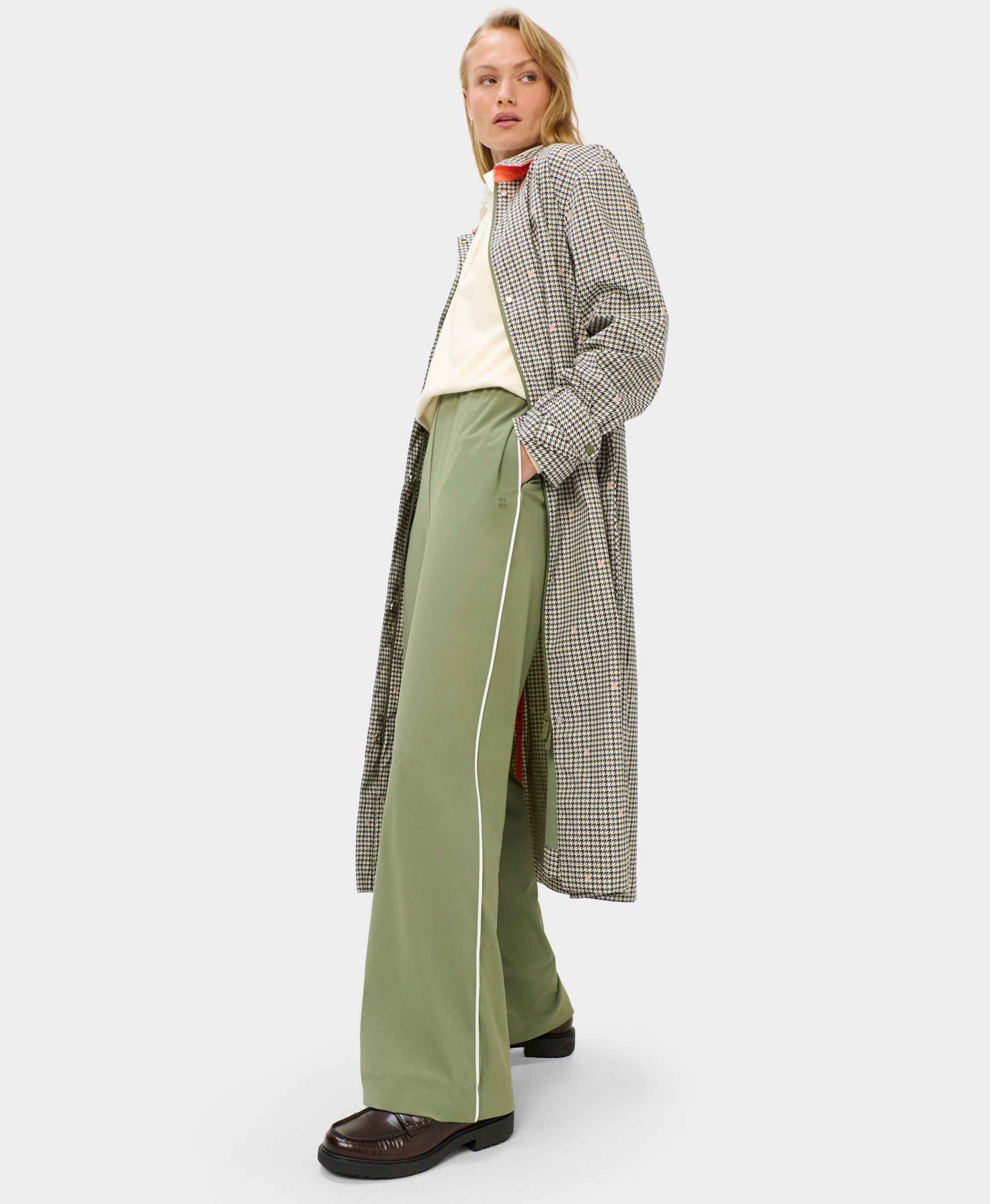
Waterproof Trousers Rains W3 Wide
£109.15 SNEAKIN
MADE IN PARADIS
Women's hooded parka Helly Hansen Classics
£110.31 MADE IN PARADIS
SNEAKIN
Women's insulated waterproof jacket Helly Hansen Welsey II
£155.44 SNEAKIN−15%
DOROTHY PERKINS
Yumi Grey Check Oversize Long Biker Coat
£90.00 £76.50 DOROTHY PERKINS−40%
DOROTHY PERKINS
Tog24 'shea' Waterproof Trench Coat In Black
£150.00 £90.00 DOROTHY PERKINS−22%
DOROTHY PERKINS
Infinity Leather Leather Parka Removable Borg Hooded Trench Coat – Emilia In Green
£192.29 £149.99 DOROTHY PERKINS−22%
DOROTHY PERKINS
Infinity Leather Leather Parka Detachable Borg Hooded Trench Coat – Trekker In Green
£192.29 £149.99 DOROTHY PERKINS−22%
DOROTHY PERKINS
Infinity Leather Leather Parka Detachable Borg Hooded Trench Coat – Trekker In Black
£192.29 £149.99 DOROTHY PERKINS−22%
DOROTHY PERKINS