If you're trying one on and it already pinches across the top of the foot while you're stood still, put it back. Ankle boots have to work for walking, standing on a bus, going up stairs two at a time, and anything that feels borderline in the shop gets worse once you've been in it for three hours. The good ones feel almost unremarkable when you put them on, which is exactly the point.
If you've got none in your life right now, start with a plain round toe boot in black or a mid brown, sitting right at or just below the ankle bone, with a block heel no higher than about four centimetres. That height does everything a stiletto heel can't, it holds you steady on cobbles and wet pavement and doesn't tip you forward all day. Before you buy, check the back seam sits flush against your heel without gaping, check there's a bit of room at the toe so your foot can splay slightly when you walk rather than pressing straight into the end, and check the zip pull at the side, a small one you can't grip properly in cold weather is a boot you'll end up fighting with every single morning. Try them with the socks or tights you'd actually wear, not bare feet, because that half centimetre of difference matters more than people admit.
The split between a boot that lasts and one that dies by November is mostly in what's under the surface. Real leather or a dense suede moves with your foot and softens in the right places, while a stiff bonded upper creases oddly across the vamp and never settles. Look at the sole where it joins the upper, a stitched or cemented construction with a clean, even line holds up to rain and pavement far better than one where the glue's visible and already looking tired on the shelf. Give the zip a few pulls up and down before you commit, a scratchy or sticking zip in the shop is a zip that'll jam on a wet Tuesday. A stacked leather look heel with a decent rubber tip wears better than one that's all plastic through the middle, that's usually the first thing to wobble.
Once you've got a plain pair, they sit under straight jeans, under a midi skirt with thick tights, or with a plain dress on days you can't be bothered with anything more complicated. What they won't do is carry a whole outfit on their own, or survive a proper downpour without a bit of care, and no amount of good stitching changes either of those things.

 Our Kind of Zebra Print Ankle Boots

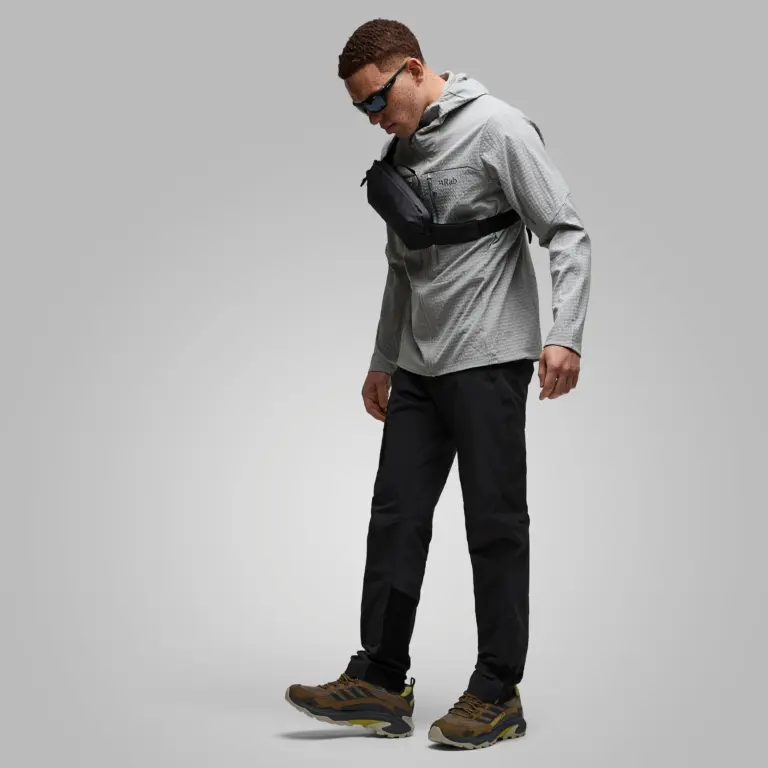 Zip Ankle Boots We Can’t Stop Looking At
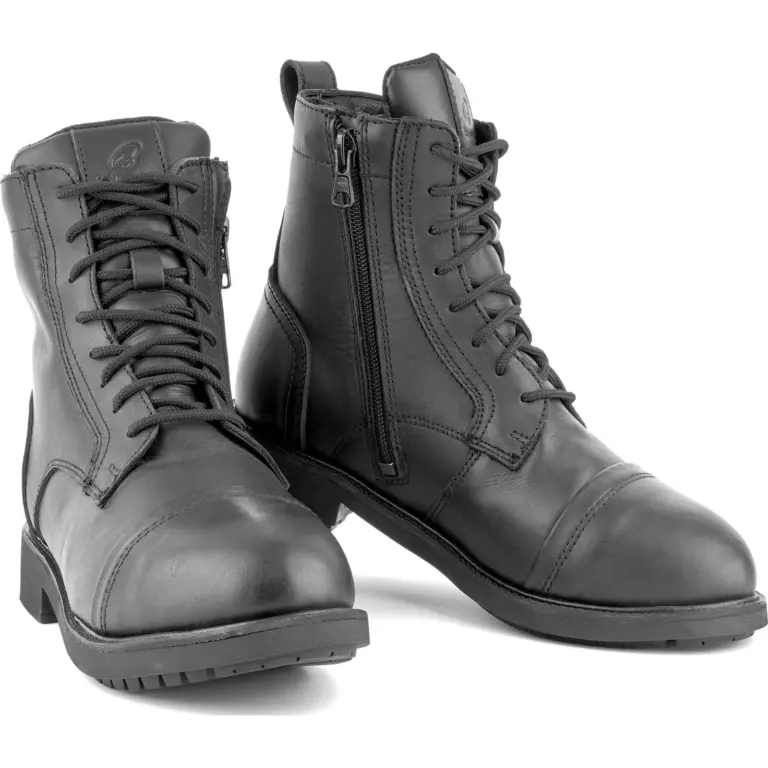
 The Edit: Zip Ankle Boots

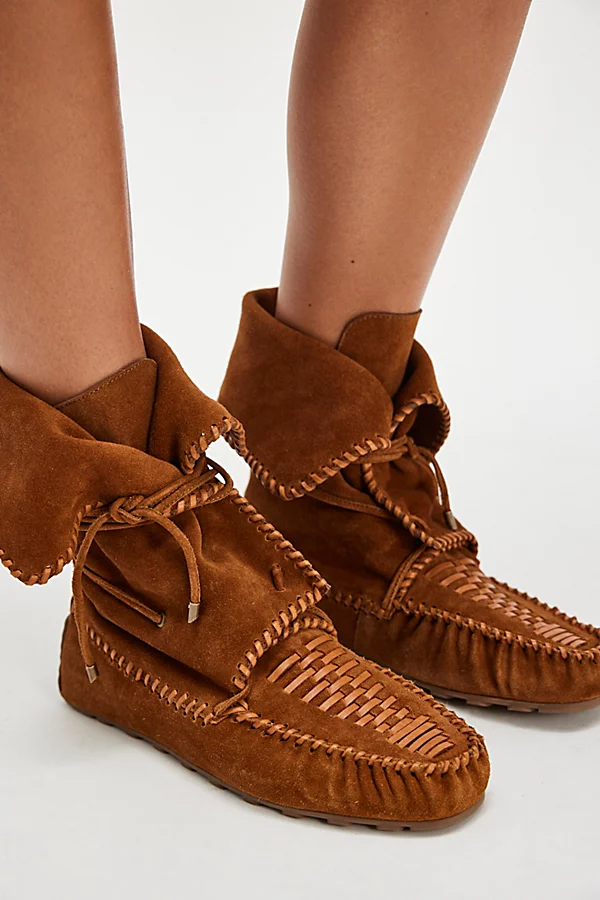 Woven Ankle Boots Picked by Us

 The Edit: Woven Ankle Boots

 Work Ankle Boots for Monday to Friday
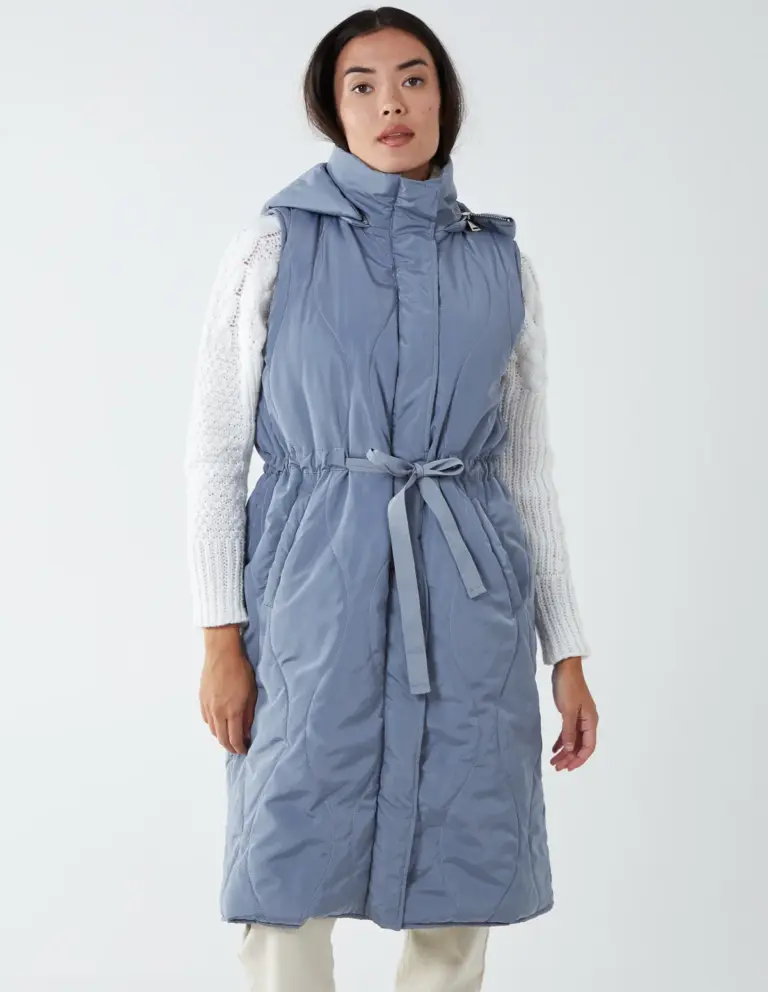
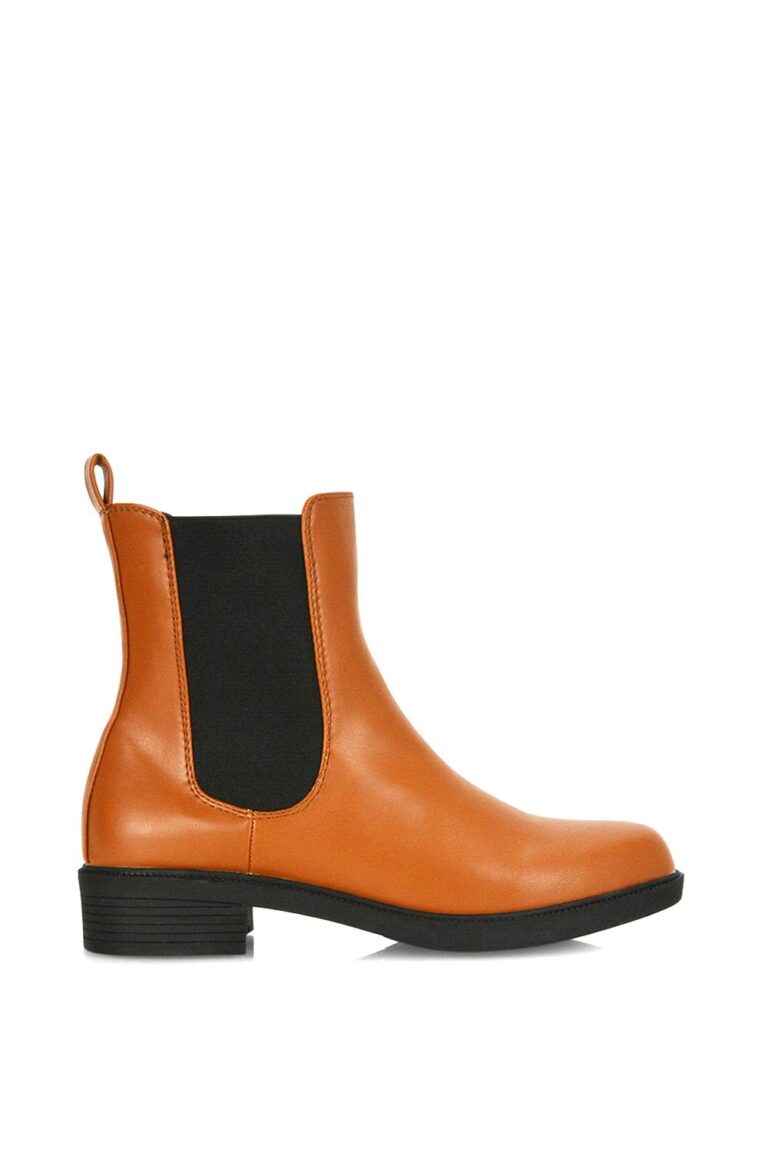 Work Ankle Boots: Our Honest Shortlist

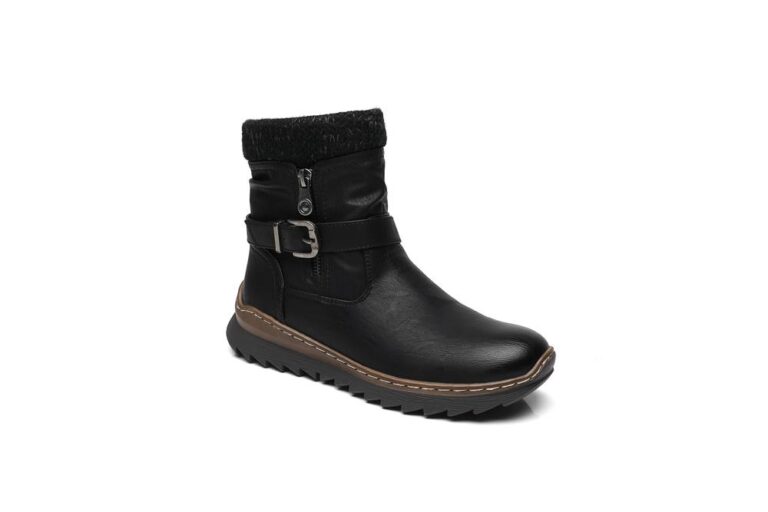 Winter Ankle Boots Edited Down to the Best

 Wide Fit BootsWide Fit Pink Ankle Boots We’d Pull On Every DayAlso worth a lookBlack BootsIf you're stood there holding a black boot, the first thing I'd ask is where the zip sits…See the collections →

 Wide Fit BootsWide Fit Red Ankle Boots Made for Walking

 Wide Fit BootsWide Fit Silver Ankle Boots That Go With Everything

 Wide Fit BootsStandout Wide Fit Gold Ankle Boots to Shop

 Wide Fit BootsThe Wide Fit Grey Ankle Boots on Our Wishlist

 Wide Fit BootsWide Fit Navy Ankle Boots That Are Actually Comfortable

 Wide Fit BootsThe Wide Fit Ankle Boots Shortlist

 Wide Fit BootsThe Wide Fit Brown Ankle Boots Worth Investing In

 Wide Fit BootsShop the Edit: Wide Fit Brown Ankle Boots

 White BootsWhite Woven Ankle Boots We’ve Been SavingAlso worth a lookBrown BootsBrown boots do a different job to black ones, whatever the shop assistant tells you when you're stood there with two pairs and no clue.See the collections →

 White BootsThe Best Looking White Zip Ankle Boots Out There

 White BootsWhite Zip Ankle Boots With Real Wardrobe Staying Power

 White BootsWhite Vegan Ankle Boots Worth a Closer Look

 White BootsWhite Waterproof Ankle Boots Actually Worth Buying

 White BootsThe White Strappy Ankle Boots on Our Wishlist

 White BootsWhite Slip On Ankle Boots We’d Pull On Every Day

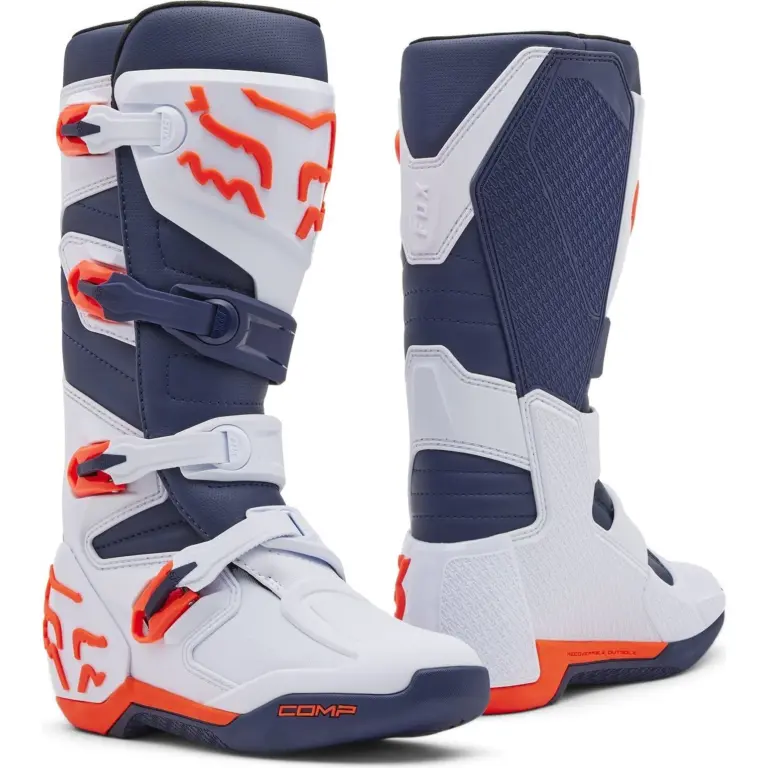 Rubber BootsWhite Rubber Ankle Boots We’d Buy Again
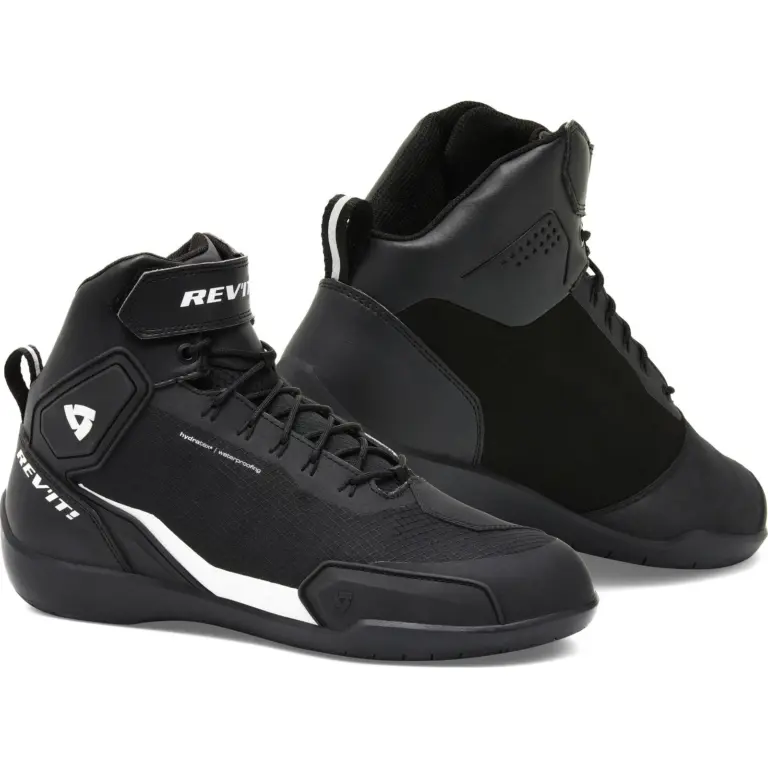
 Rubber BootsWhite Rubber Ankle Boots Edited Down to the Best

 White BootsThe Prettiest White Pointed Ankle Boots Around Right NowAlso worth a lookLace Up BootsLace up boots have the reputation of being the boot that never really goes out of fashion, the…See the collections →

 White BootsWhite Mesh Ankle Boots That Make Any Outfit

 White BootsThe Best White Mid Heel Ankle Boots to Shop Now

 White BootsWhite Mid Heel Ankle Boots We Love Right Now

 White BootsWhite Leather Ankle Boots Worth a Closer Look

 White BootsWhite Leather Ankle Boots That Go With Everything

 White BootsThe Best Looking White Heeled Ankle Boots Out There

 White BootsThe White High Ankle Boots Worth Your Wardrobe Space

 White BootsWhite High Ankle Boots: What We’d Buy Now


