The thing nobody tells you about charms is that it's never the charm that fails first, it's the little jump ring holding it on. Three weeks of a charm bracelet knocking against desks and door frames and that tiny loop starts to open up, just slightly, and one day you look down and there's a gap where something used to be. You won't notice it's gone until later that evening, and you won't find it again.
Charms with a lot of texture or sharp little edges catch on everything, so think about what else you're wearing before you commit to a chunky one. A textured charm bracelet against a loose knit sleeve is a nightmare, it'll pull threads out of a jumper in one afternoon and you won't even feel it happening until there's a snag the size of a coin. Stacked bracelets with charms on one of them get tangled with the plain ones constantly, so if you're a layer everything person, keep the charm piece slightly looser or slightly shorter than the rest so they're not fighting for the same bit of wrist.
Before you buy, check the jump ring itself, not just the charm. Give it a proper tug, not a polite one. If it opens with gentle pressure from your thumbnail, it'll open on a bag strap within a fortnight. Check the plating on the charm's edges too, since that's where the base metal shows through first, usually within a month of regular contact with skin and fabric. And check how the charm sits, because some hang flat and face forward nicely, others spin round so you spend the whole day only ever seeing the back of it.
Charms aren't the right choice if you're hard on your jewellery, by which I mean if you take rings off at the sink and leave bracelets on through the washing up. Dangling charms and water don't get on, and a charm that gets knocked against a tap enough times will eventually bend its own jump ring out of shape, slowly, so you won't notice until it's lopsided. They're also not brilliant if you want something you never think about, because a good charm piece asks you to check it now and then.
For fit, go slightly looser than you think on a bracelet, since charms add weight and pull it down the wrist, and a snug chain with charms attached ends up sitting tighter than it did empty. On a necklace, anything below the collarbone moves more and catches more, so expect more wear on the clasp if you're adding charms to something you already layer long. If a charm has a loop rather than a solid bail, that's the bit to watch over time, always.
Good charms feel like a small decision you made on purpose, and that's worth more than most jewellery manages.

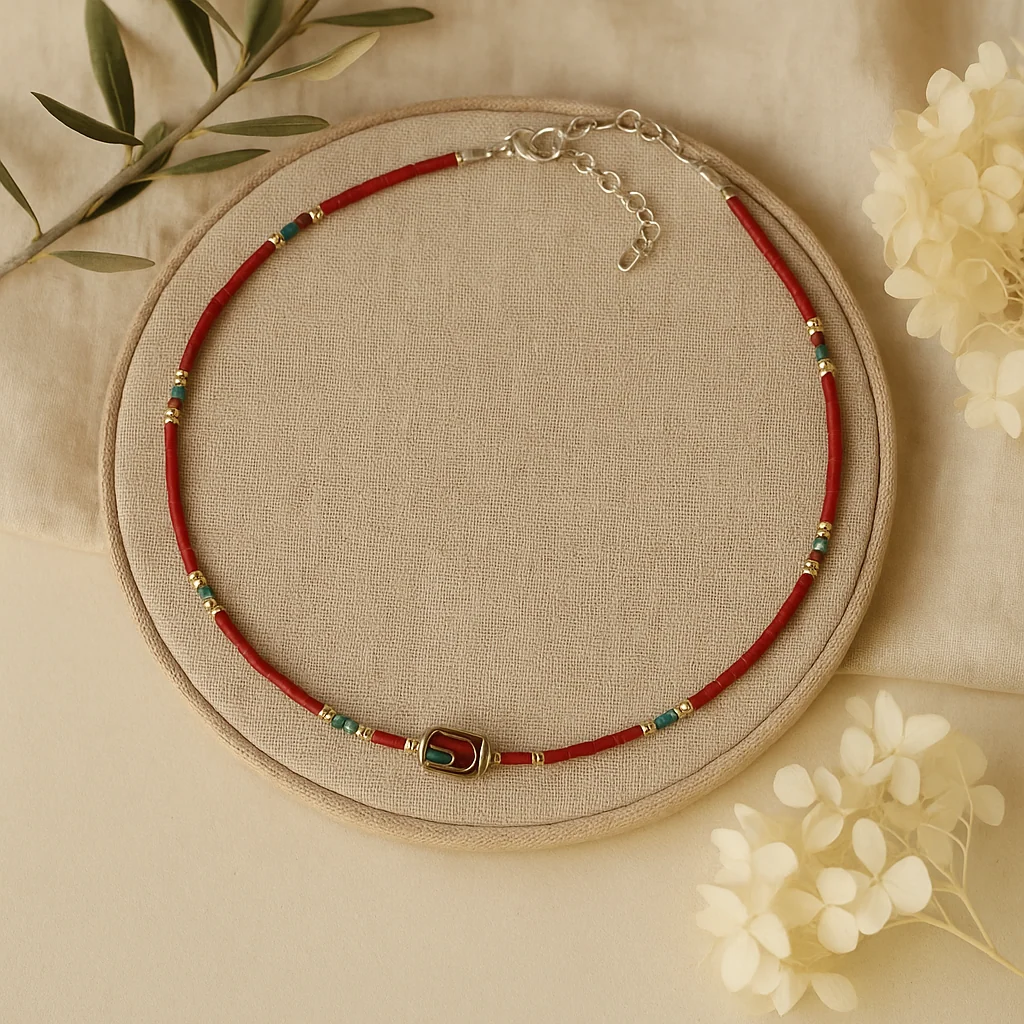 White Turquoise Charms We’d Recommend to a Friend
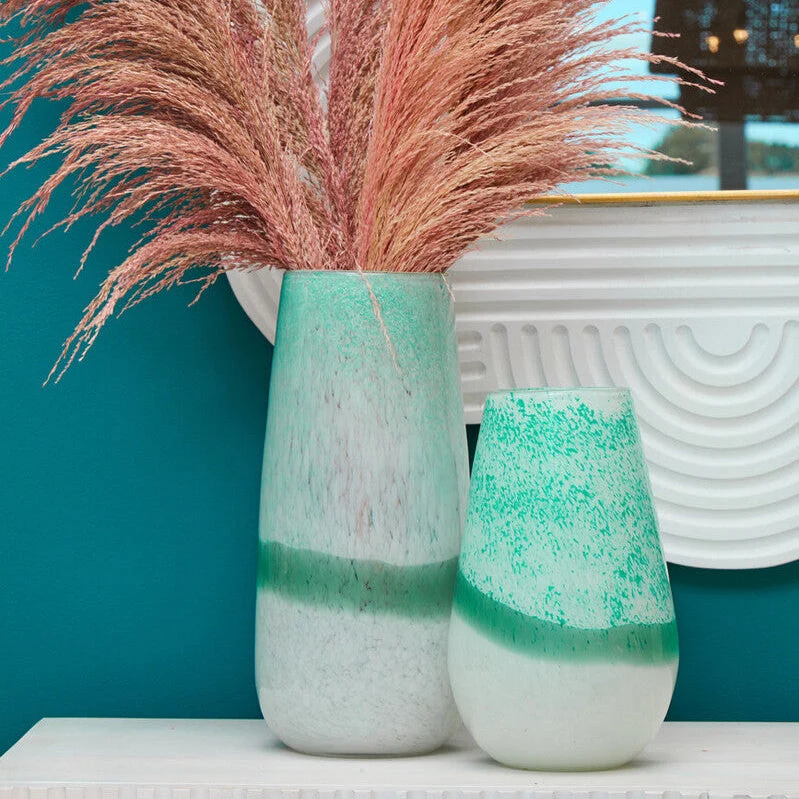
 White Vintage Charms Worth a Closer Look

 Standout White Star Charms to Shop

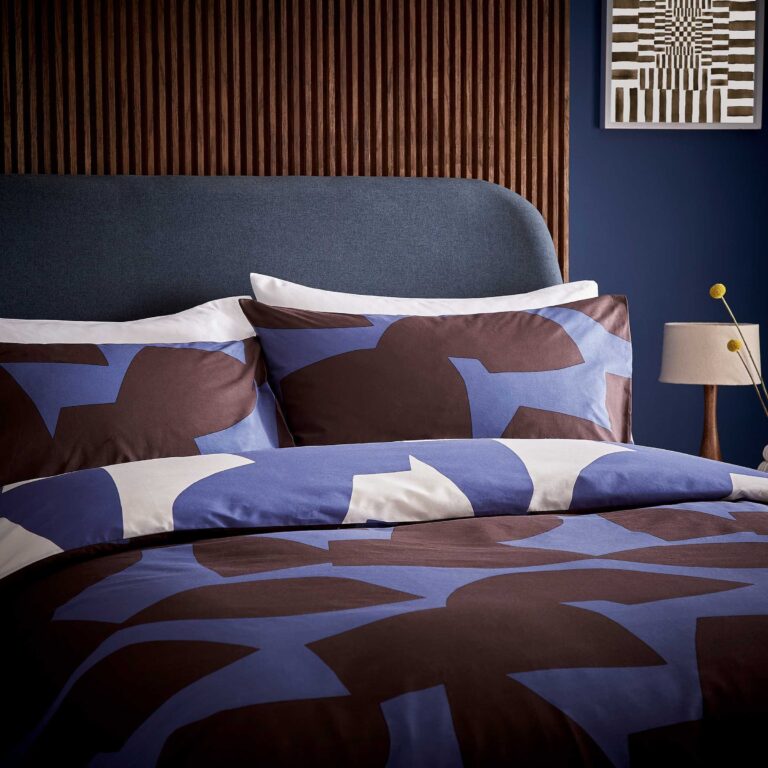 The Edit: White Statement Charms
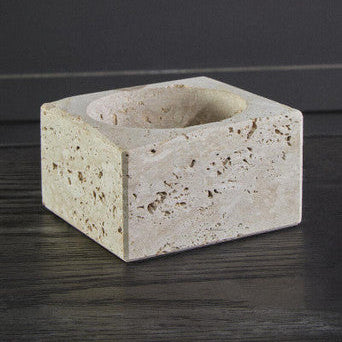
 The Prettiest White Sterling Silver Charms Around Right Now

 White Stacking Charms Worth a Closer Look

 The Best Looking White Stainless Steel Charms Out There

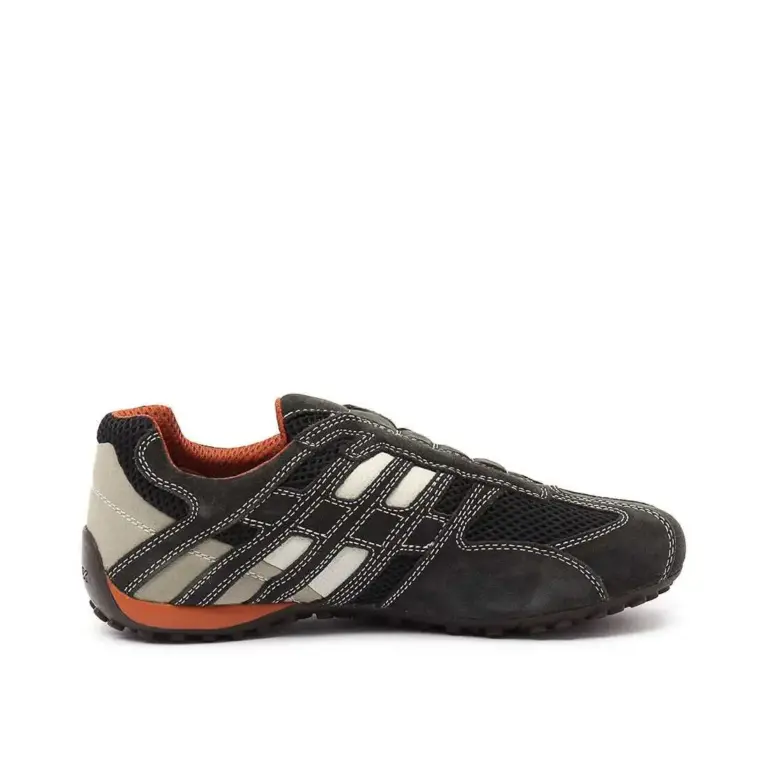 White Snake Charms We Love Right Now

 White Shell Charms: Our Current FavouritesAlso worth a lookNecklacesI put on a plain shirt and jeans one morning, nothing special, and the only reason I didn't…See the collections →

 White Silver Plated Charms That Add a Little Sparkle

 White Resin Charms That Make a Lovely Gift

 White Pearl Charms That Have Caught Our Eye

 A Closer Look at the Best White Pendant Charms

 Our Kind of White Personalised Charms

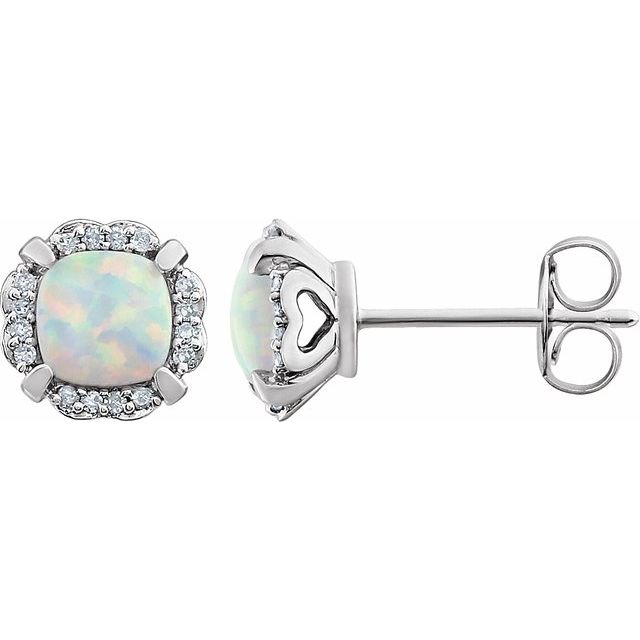 The Only White Opal Charms You Need to See

 Where to Find the Best White Minimalist Charms

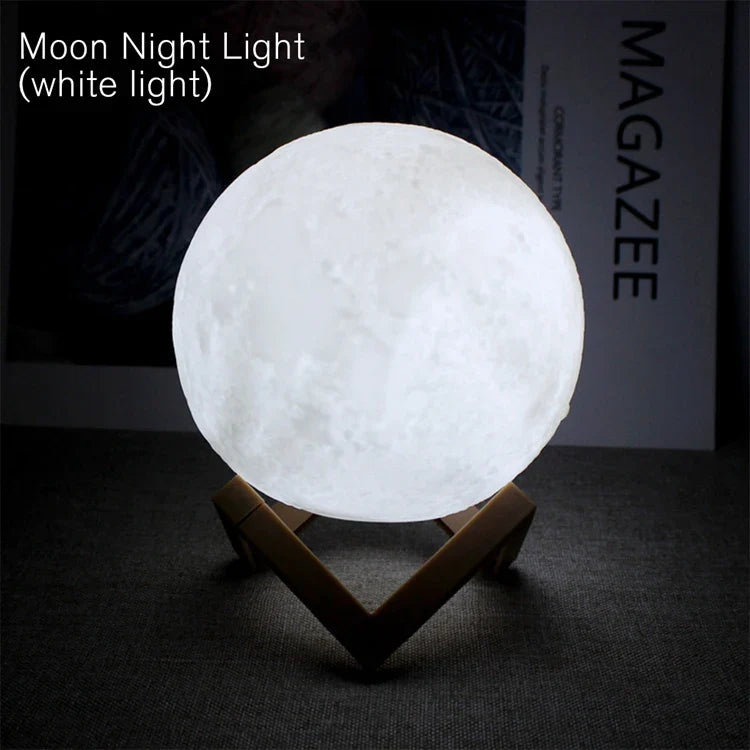 The White Moon Charms on Our Wishlist

 White Moonstone Charms That Make a Lovely GiftAlso worth a lookEarringsThere's a particular kind of week, the one where every meeting runs long and you haven't washed your…See the collections →

 The White Name Charms We’d Wear Daily
 White Hoop Charms We Can’t Stop Looking At

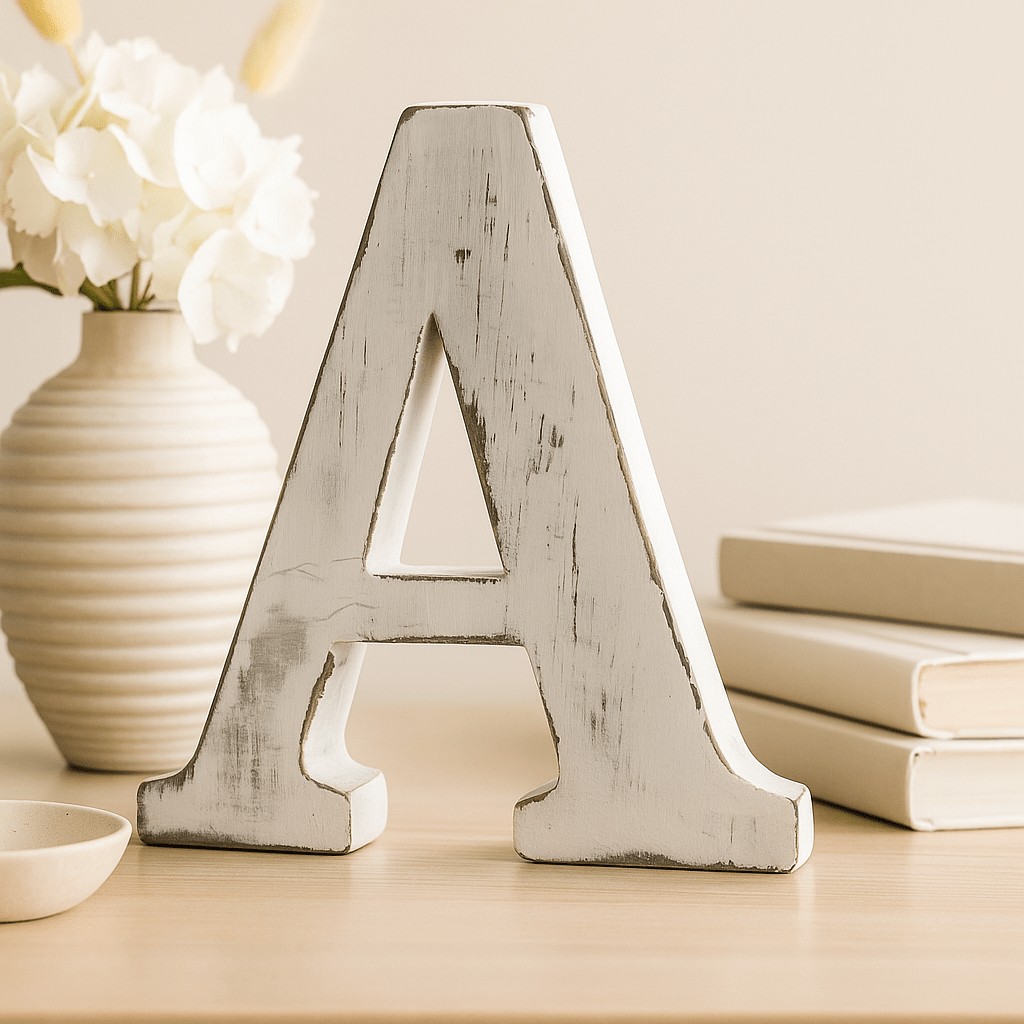 White Initial Charms Edited Down to the Best
 Where to Find the Best White Glass Charms

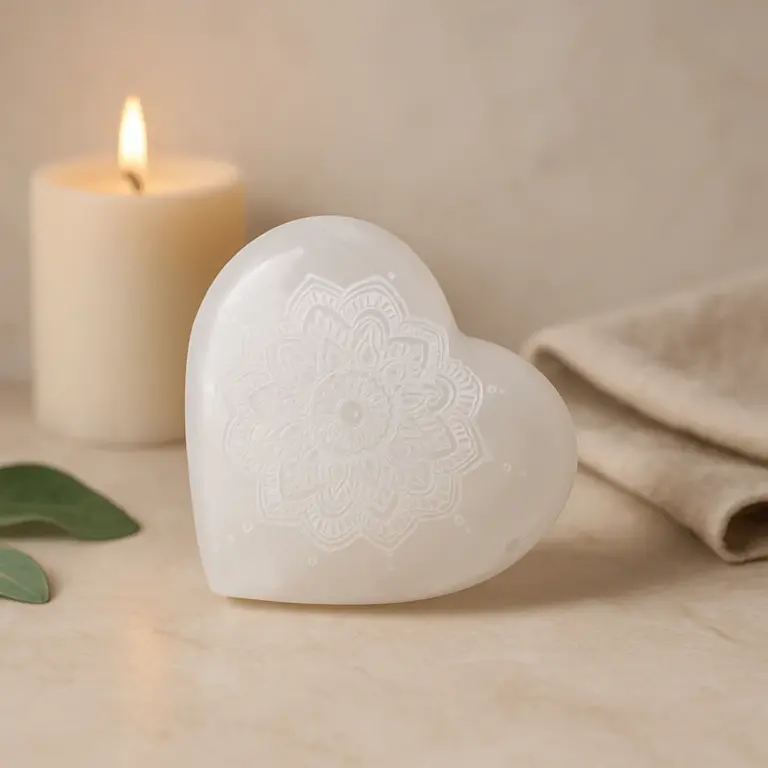 Pretty White Heart Charms We Love

 The Only White Flower Charms You Need to See

 White Diamond Charms We’d Recommend to a Friend

 Our Favourite White Drop Charms

 White Emerald Charms That Finish Any LookAlso worth a lookBraceletsBracelets get written off as the jewellery you forget you're wearing, the thing that ends up tangled in…See the collections →

 White Enamel Charms We’d Happily Wear on Repeat

 Our Kind of White Crystal Charms

 Shop Our Favourite White Cubic Zirconia Charms

 White Cuff Charms That Elevate Everything

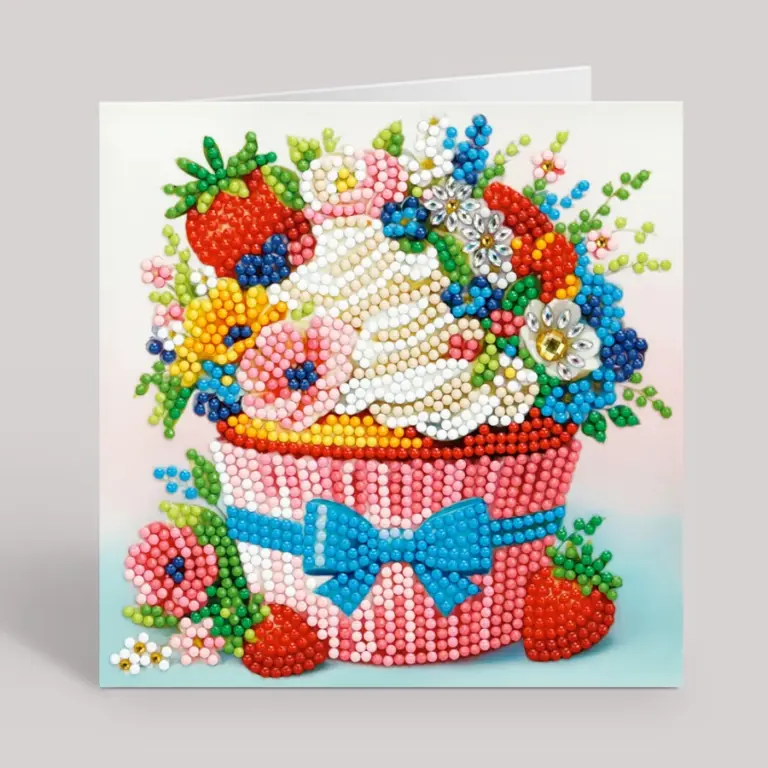 White Dainty Charms Actually Worth Buying

 The Best White Cross Charms to Shop Now
 White Chain Charms Worth Treating Yourself To

 Pretty White Charms We Love