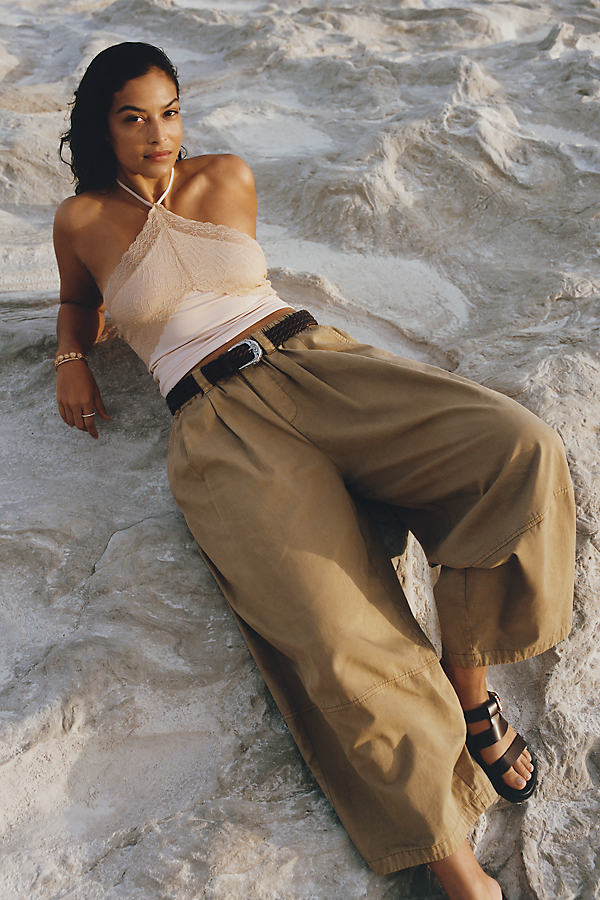
For years I thought a belt was just the thing holding your trousers up, so I bought one, cheap, stiff as a ruler, and wondered why it cracked at the fold within a month. Turns out a belt is doing a lot more work than that, and most of the ones that let you down are let down by exactly the bit you can’t see when it’s hanging on a hook.
The difference between a good belt and a disappointing one is almost always the leather, or the lack of it. A proper leather belt has a bit of give to it, it moves with you instead of staying rigid, and it softens at the fold over time rather than splitting. Bonded or heavily coated faux versions tend to crease white within weeks and never recover. Check the edges too, a good one has them finished smooth, not just cut and left raw. The buckle matters more than people think as well, it should sit flush and not swing loose, and the prong should line up with the holes properly rather than landing between two of them, which is the kind of small annoying thing that ruins an otherwise decent belt. If you’re only buying one, make it a black leather belt in a mid width, something between two and three centimetres. It goes under the most things and asks the least of you.
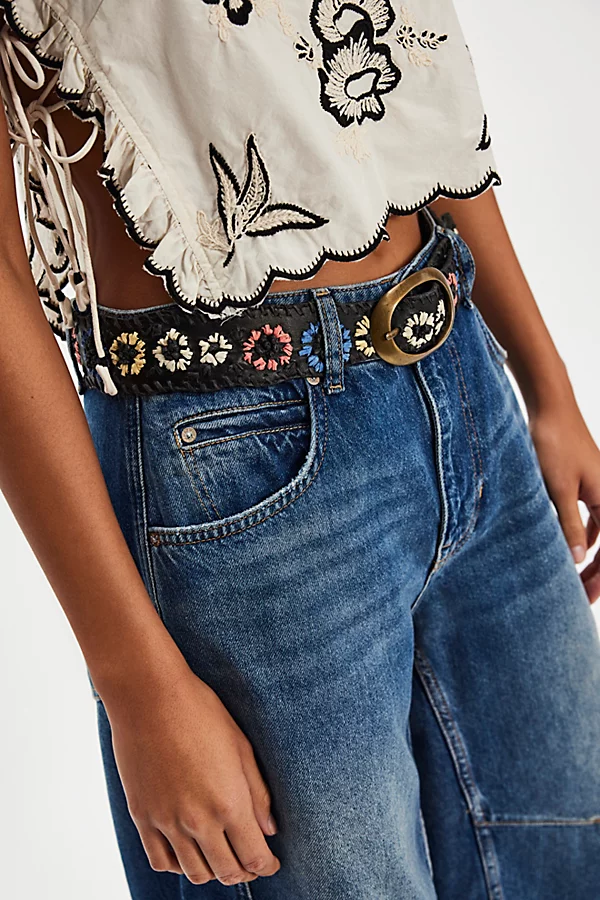
Wear a slim leather belt through proper belt loops and let it actually show, not just function, it’s one of those details people register without clocking why an outfit looks put together. A wide belt wants to sit over something, not through it, cinched over a shirt dress or a coat rather than threaded through low rise jeans, where it tends to fight the waistband instead of working with it. Belts and big statement buckles are lovely on their own but start competing the second you add a bold necklace or anything with its own hardware, so pick one focal point and let the other one be quiet.
Where belts genuinely don’t help is on anything already fitted at the waist, a wrap dress, a tailored jacket with its own shape, they just add bulk you don’t need. And a wide belt on a very soft, unstructured top can look like it’s holding the fabric hostage rather than shaping it. The plain, useful line is this: buy for the buckle and the fold, not the colour, because the fold is where every cheap belt tells on itself first.

 Leather BeltsThe Woven Braided Leather Belts Every Wardrobe Needs

 Shop the Edit: Woven Gold Buckle Belts

 Finding the Best Woven Gold Buckle Waist Belts

 Leather BeltsOur Top Woven Leather Belts Right Now

 Woven Silver Buckle Belts We’d Buy Again

 Woven Statement Belts: The Ones Worth Your Money

 Leather BeltsWoven Statement Leather Belts Worth Treating Yourself To

 Woven Statement Waist Belts: What We’d Buy Now

 The Woven Waist Belts Every Wardrobe NeedsAlso worth a lookLeather BeltsI spent years treating belts as an afterthought, something you grab off the back of the door because your jeans are loose that day.See the collections →

 Leather BeltsThe Woven Waist Leather Belts We Keep Going Back To

 Wide BeltsShop Our Favourite Woven Wide Belts

 Wide BeltsWoven Wide Waist Belts: Our Honest Shortlist

 Woven Belts That Finish Any Look

 Woven Braided Belts Worth Treating Yourself To

 Wide BeltsWide Leather Belts Picked by Us
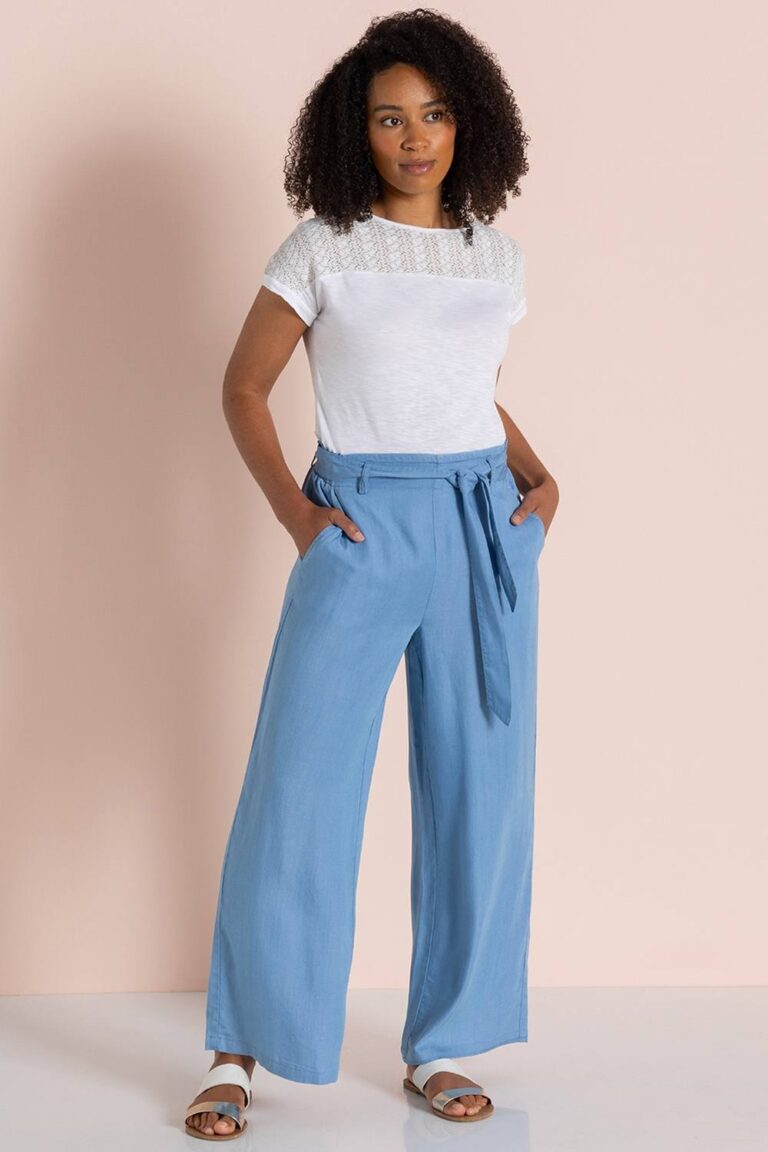 Wide BeltsWhere to Find the Best Wide Waist Belts

 Wide BeltsWide Belts We’d Recommend to a Friend

 Wide BeltsWhite Wide Waist Belts That Pull an Outfit TogetherAlso worth a lookBlack BeltsI used to think one black belt did the job of all of them, so for years I…See the collections →

 White Woven Belts That Tick Every Box

 Shop the Edit: White Waist Belts

 Wide BeltsWhite Wide Belts We Rate

 Finishing Touch White Statement Belts We Love

 Leather BeltsHandpicked White Statement Leather Belts We Keep Coming Back To

 The White Statement Waist Belts Shortlist

 Our Edit of the Best White Silver Buckle Belts

 White Skinny Belts: Our Current Favourites

 White Metal Belts That Earn Their PlaceAlso worth a lookWide BeltsI didn't understand wide belts until I wore one over a plain dress for a whole day at…See the collections →

 Wide BeltsWhite Leather Wide Waist Belts We Love Right Now

 Leather BeltsWhite Leather Statement Waist Belts Actually Worth Buying
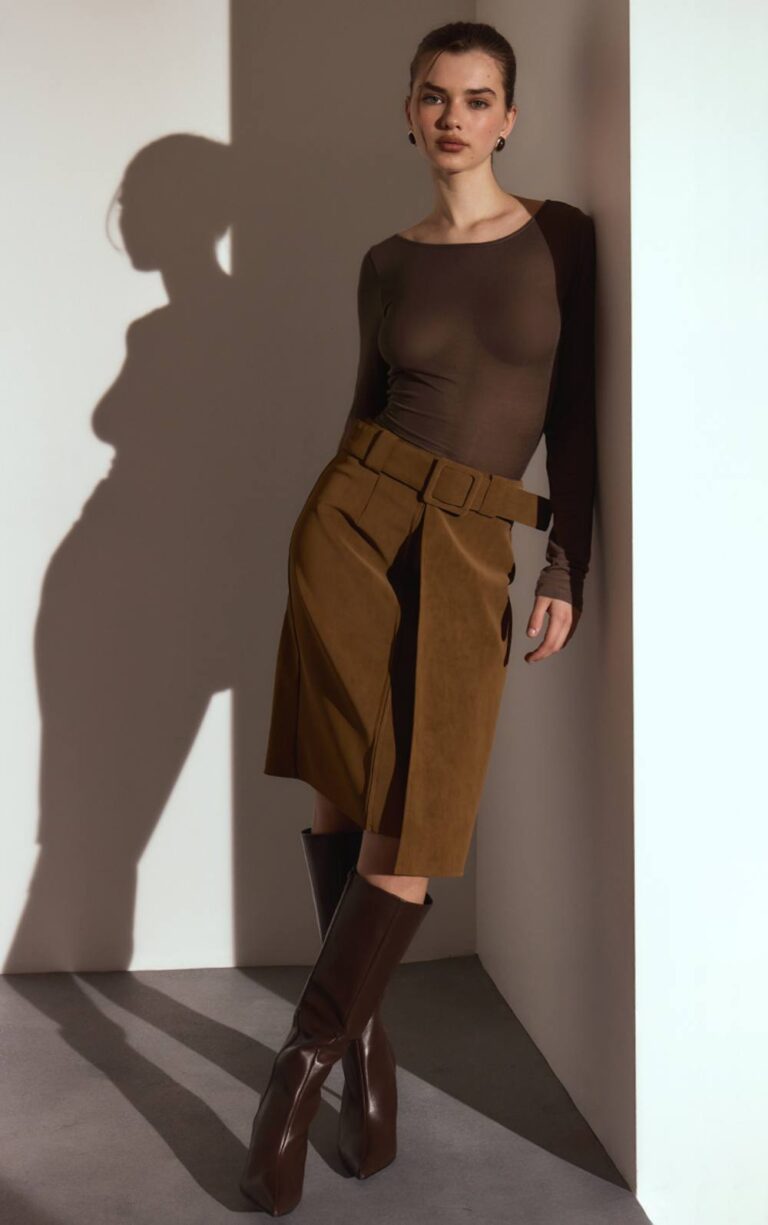
 White Faux Leather Belts That Have Caught Our Eye

 White Elastic Belts We’ve Been Saving

 White Elastic Waist Belts Worth Adding to Your Wardrobe

 Shop Our Favourite White Canvas Belts

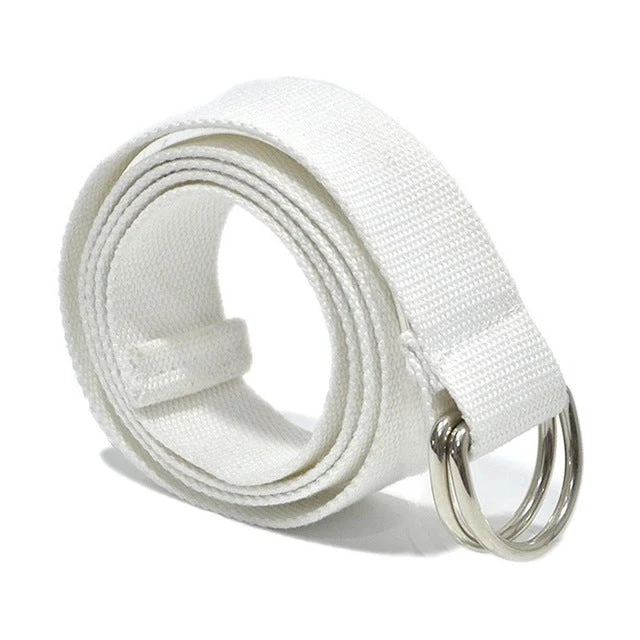 White Canvas Waist Belts That Feel Special

 Shop the Edit: Western Belts