A good puffer suits anyone who spends real time outside in the cold and can't be bothered pretending a wool coat is doing the job when it's minus two and the wind's coming off the river sideways. It suits people who want warmth without the faff of layering six things underneath. It's less kind to anyone who needs to look smart the second they arrive somewhere, because no puffer, however good, reads as polished. If you're after something for a dinner or an office that expects a coat to behave itself, this isn't that.
The honest limits are mostly about shape. Most puffers add bulk, and some add so much you lose your waist entirely and end up looking like you're wearing the sleeping bag rather than carrying it. Check the fit by doing your coat up and bending your arms as if you're pushing a buggy or carrying bags, because if the sleeves ride up and leave a gap of cold wrist, that's a design fault you'll feel every single day, not a one off. Longer puffers are warmer but they fight with anything fitted underneath, your coat and your jeans end up in a wrestling match at the hip. Shorter ones are easier to move in but leave your lower half exposed, which matters more than people admit when you're stood at a bus stop in January.
It doesn't sit well with anything delicate. Floaty dresses, soft tailoring, proper heels, all of it looks slightly wrong paired with something this practical, like you got dressed for two different days and compromised. It works far better with trainers, boots, straight trousers, things that can take a bit of bulk without disappearing under it. Puffers are at their best from late autumn through to the coldest stretch of winter, for school runs, dog walks, standing at the side of a football pitch, anything where you're outside longer than it takes to get from a car to a door. They're wasted on a quick dash to the shop, you'll have it half unzipped before you're back.
A decent one ages well if the filling stays put, so give it a shake and a squeeze before buying and feel for any patches that have gone thin or lumpy, because once the filling shifts it never goes back. The zip is the other tell, a flimsy one will start catching within a season. The good ones go a bit softer and less shiny with wear, which suits them, and the bad ones go flat in patches and look like they've lost an argument with the washing machine.

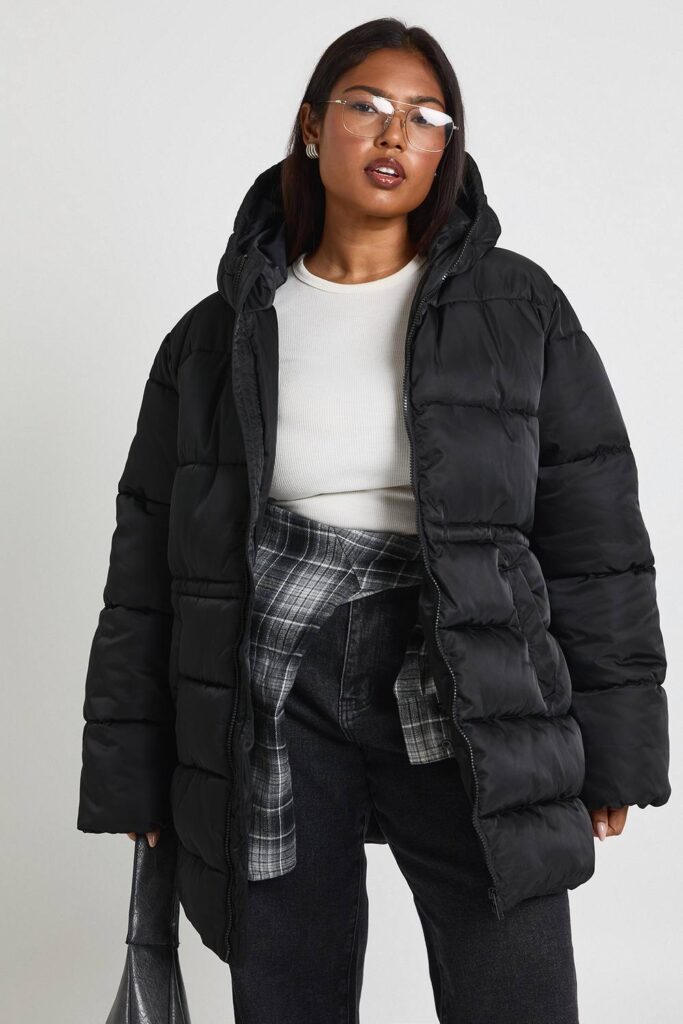 Zip Puffer Jackets to See You Through Winter
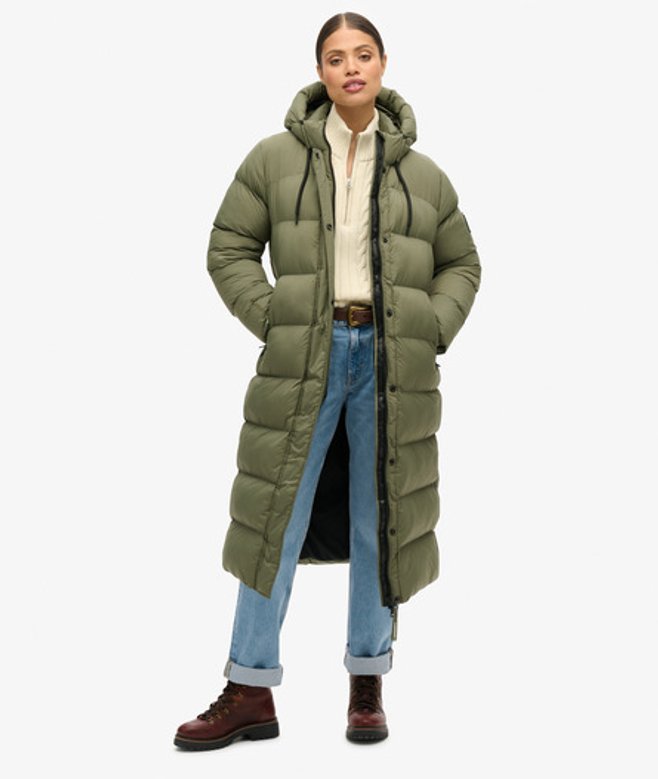
 Wrap Puffer Jackets We Love Right Now

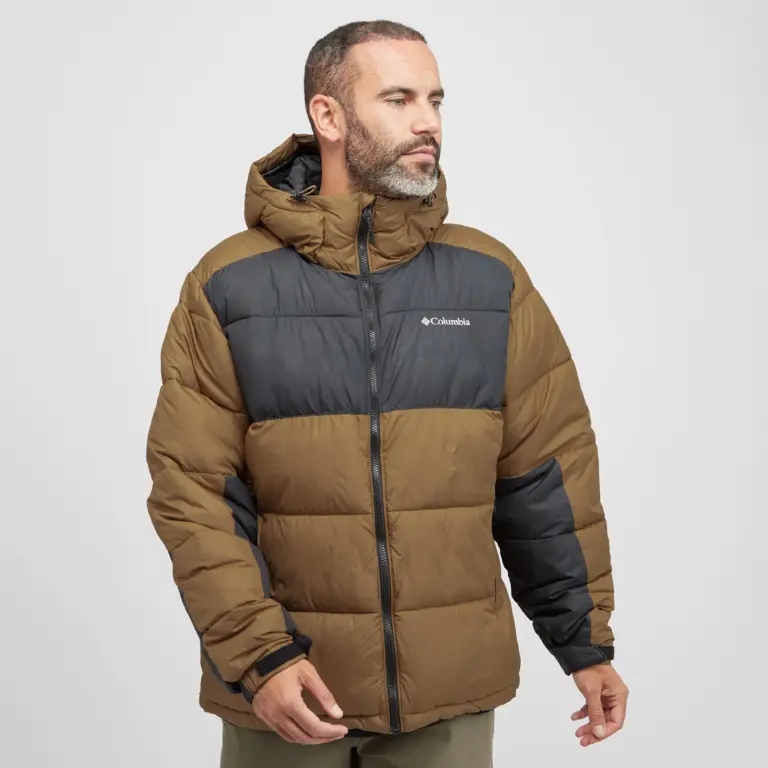 Shop Our Favourite Work Puffer Jackets

 Wool Puffer Jackets Edited Down to the Best

 Winter Puffer Jackets Actually Worth Buying

 White JacketsWhite Nylon Puffer Jackets You’ll Wear Year After Year

 Waterproof Puffer Jackets We Think You’ll Love

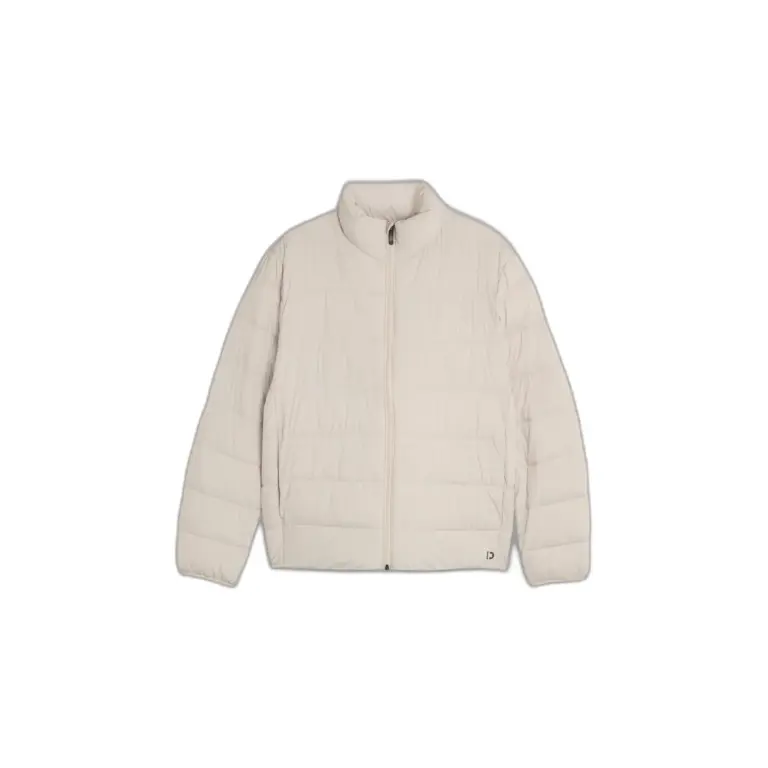 Cosy Utility Puffer Jackets We Love
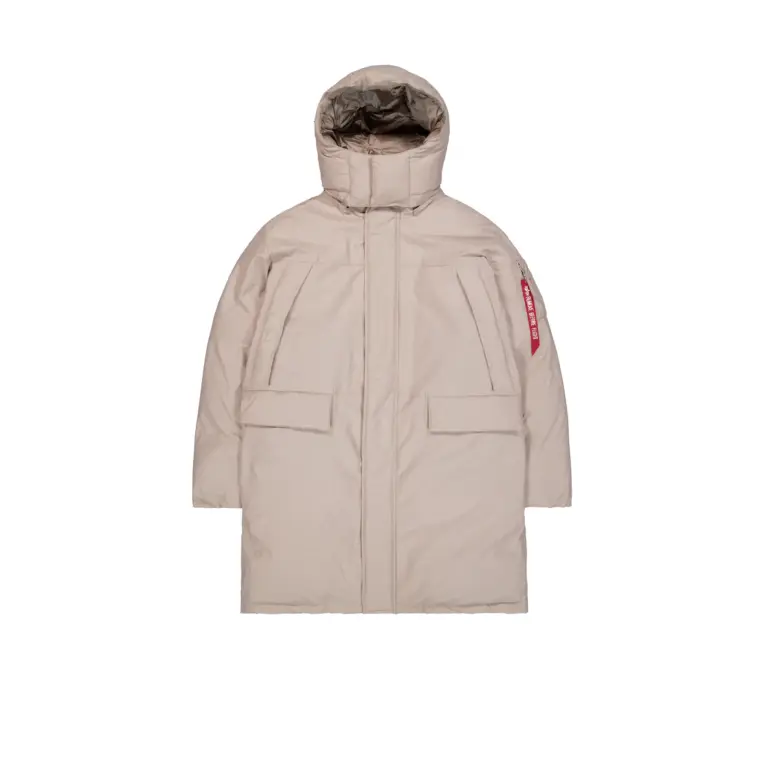
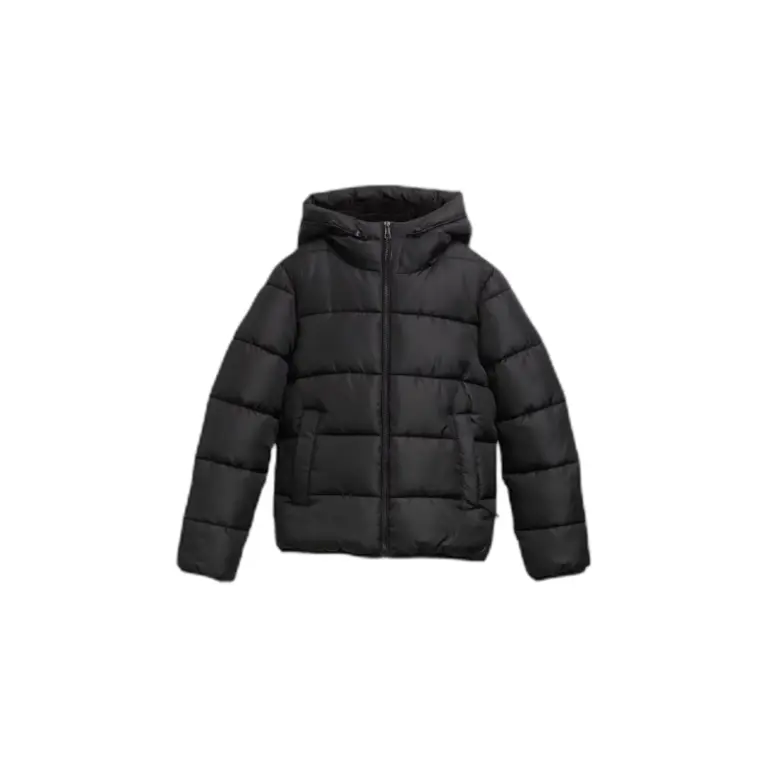 Teddy Puffer Jackets That Earn Their PlaceAlso worth a lookBlack JacketsA black jacket has a reputation for being the easy choice, the thing you buy when you can't…See the collections →
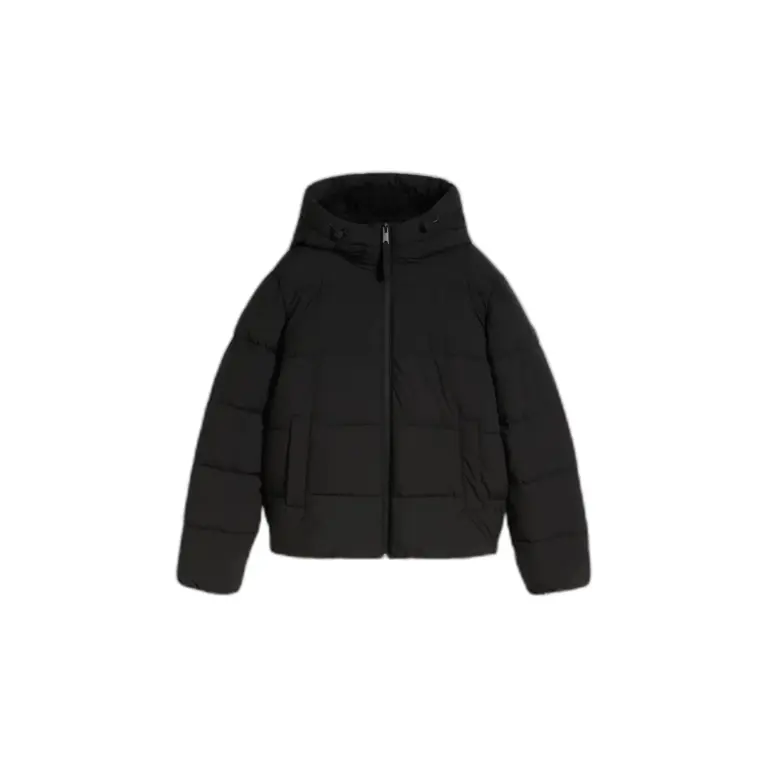
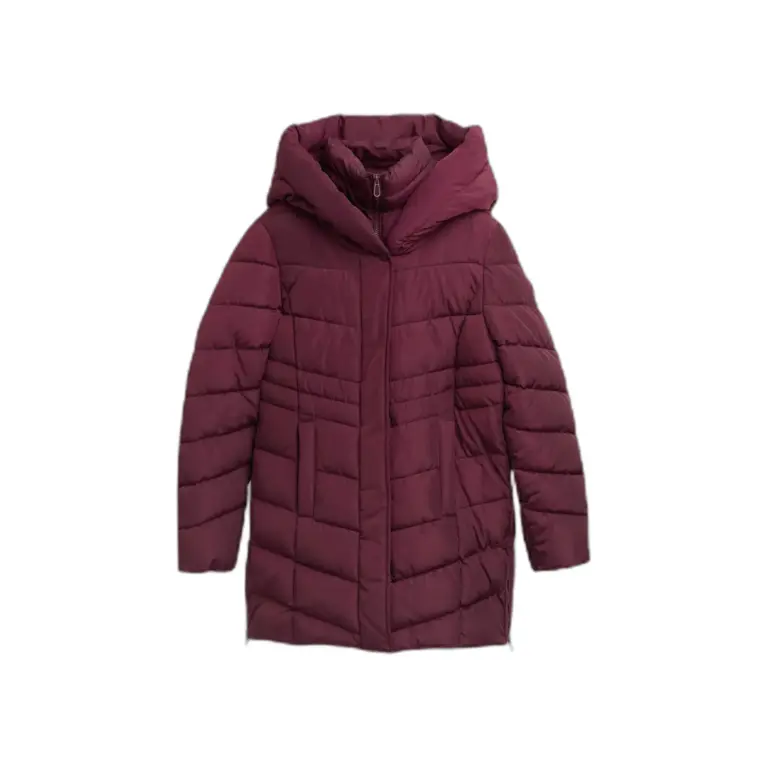 Cosy Tall Puffer Jackets We Love

 Standout Tailored Puffer Jackets to Shop

 Sleeveless Puffer Jackets We’re Adding to Basket
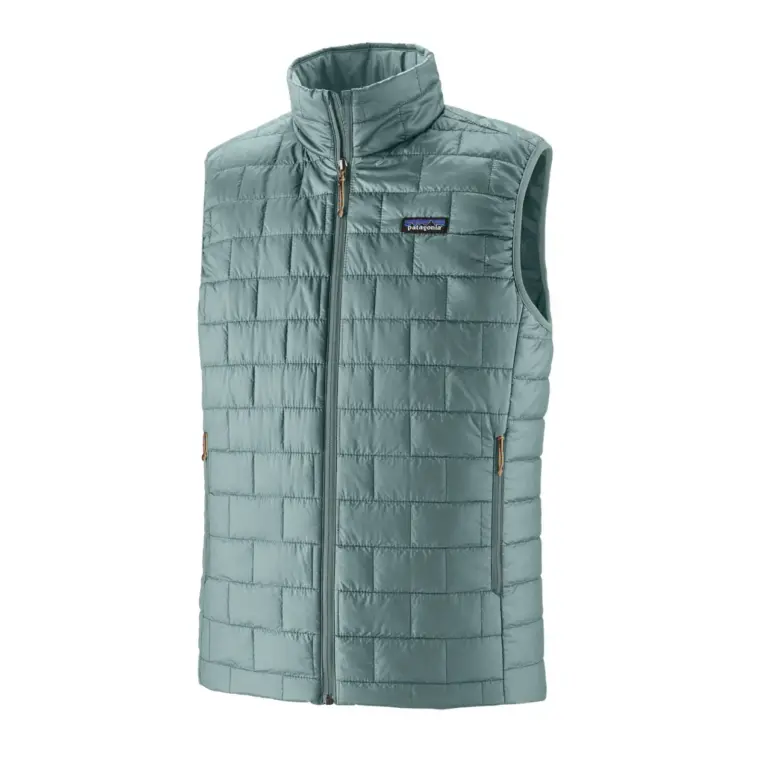
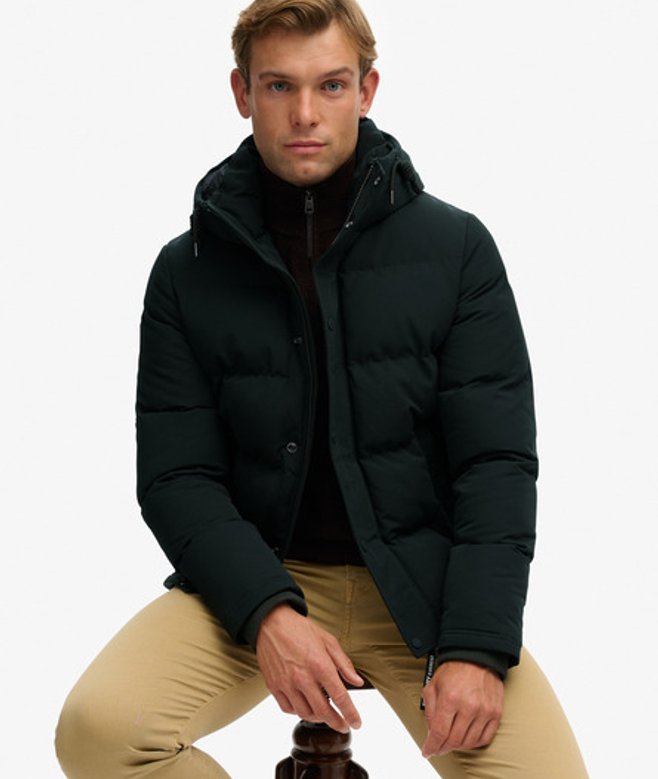 Short Sleeve Puffer Jackets That Pull an Outfit Together

 Red Puffer Jackets: Our Top Picks

 The Rain Puffer Jackets We’re Eyeing Up This Season
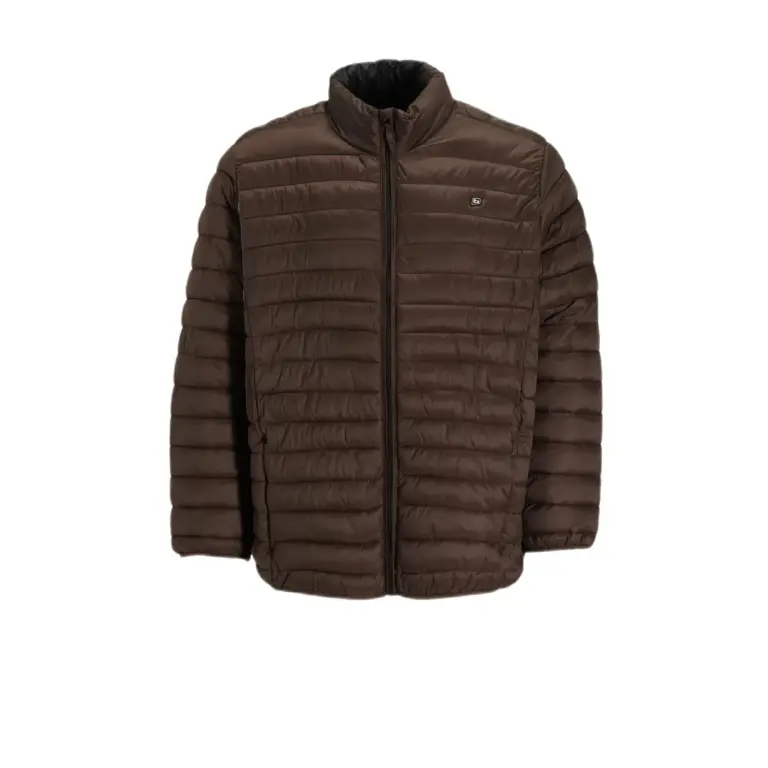
 Purple Puffer Jackets That Finish Any Outfit

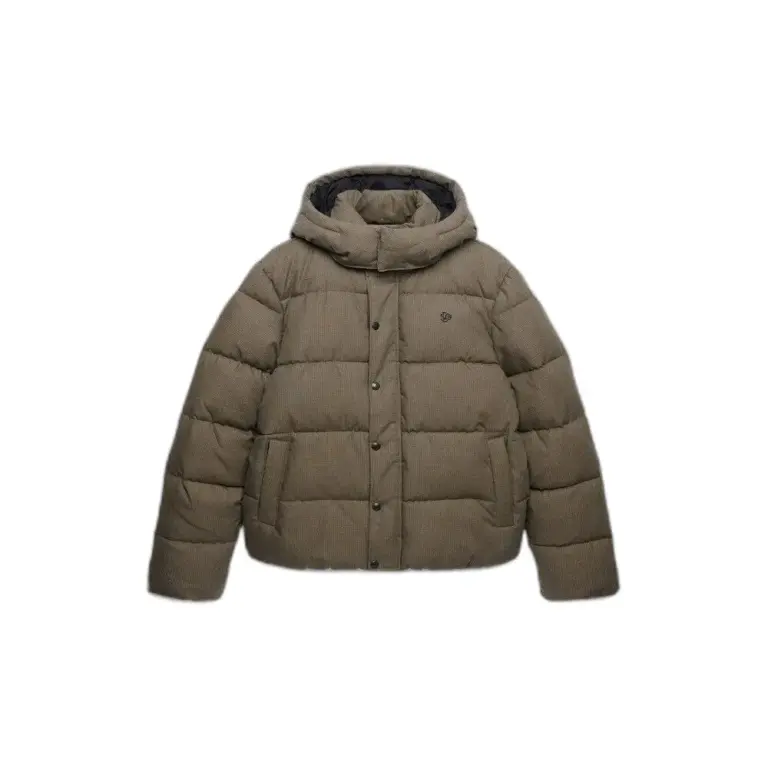 Puffer Jackets We’re Adding to Basket
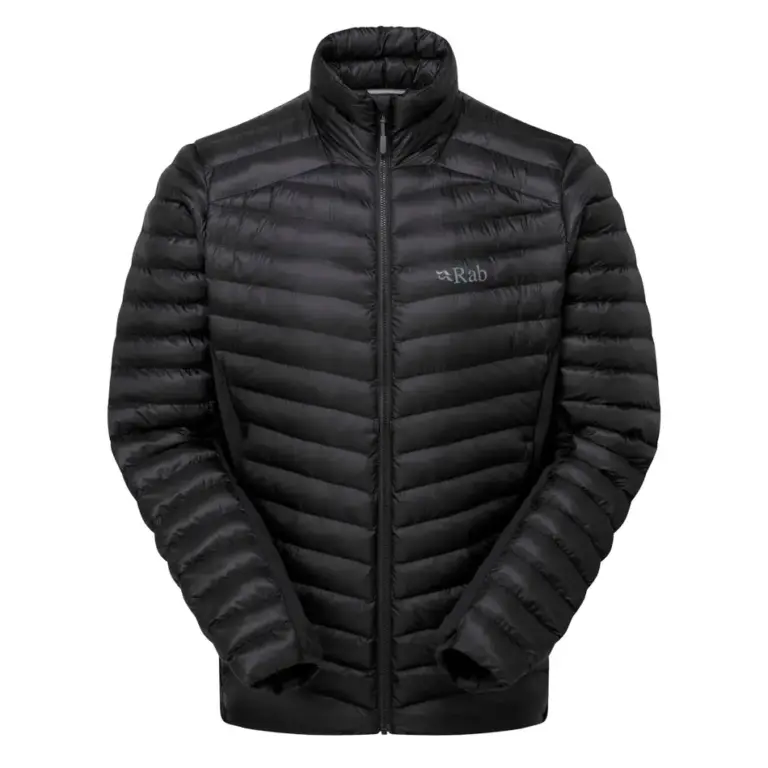
 The Pink Puffer Jackets We’d Live InAlso worth a lookLeather JacketsPick up a good leather jacket before you've put an arm through it and you already know.See the collections →

 Oversized Puffer Jackets That Make an Entrance

 Our Top Oversized Collar Puffer Jackets Right Now

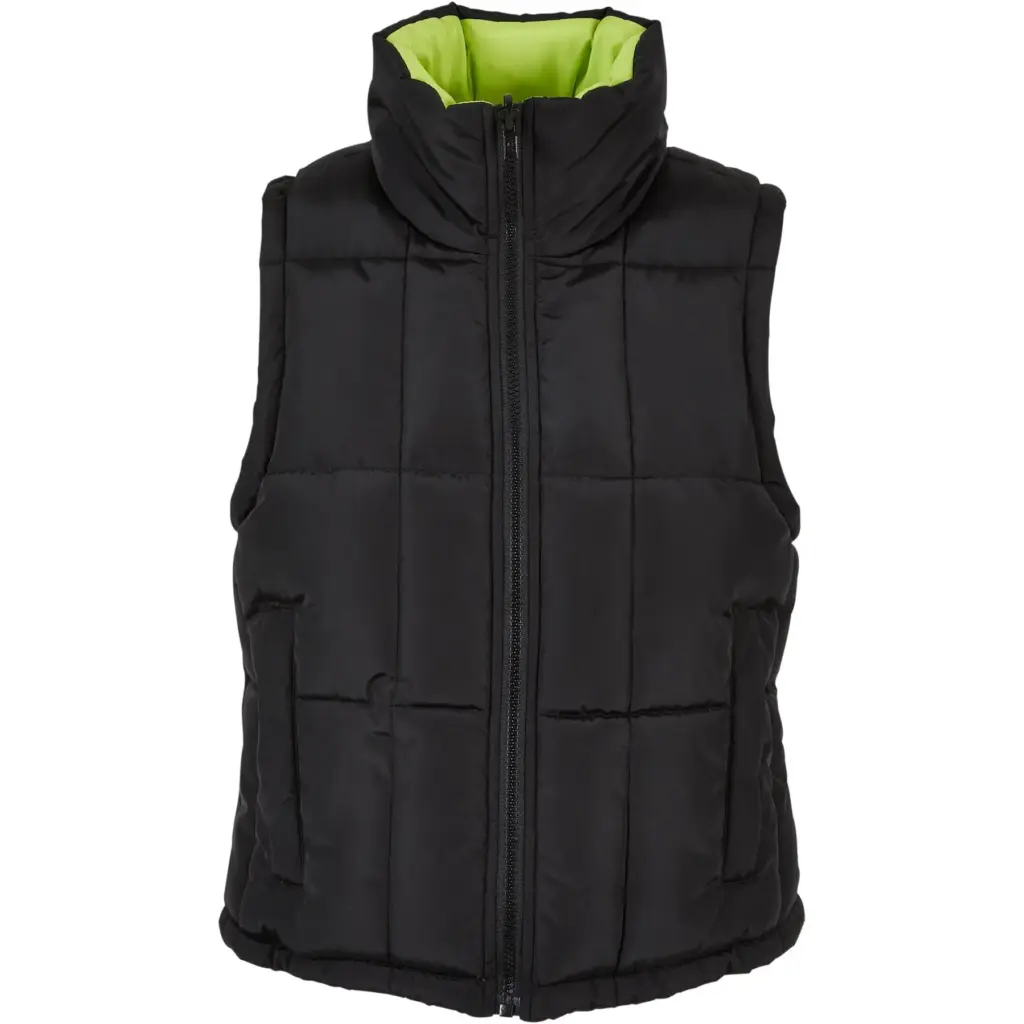 Orange Puffer Jackets That Feel Special
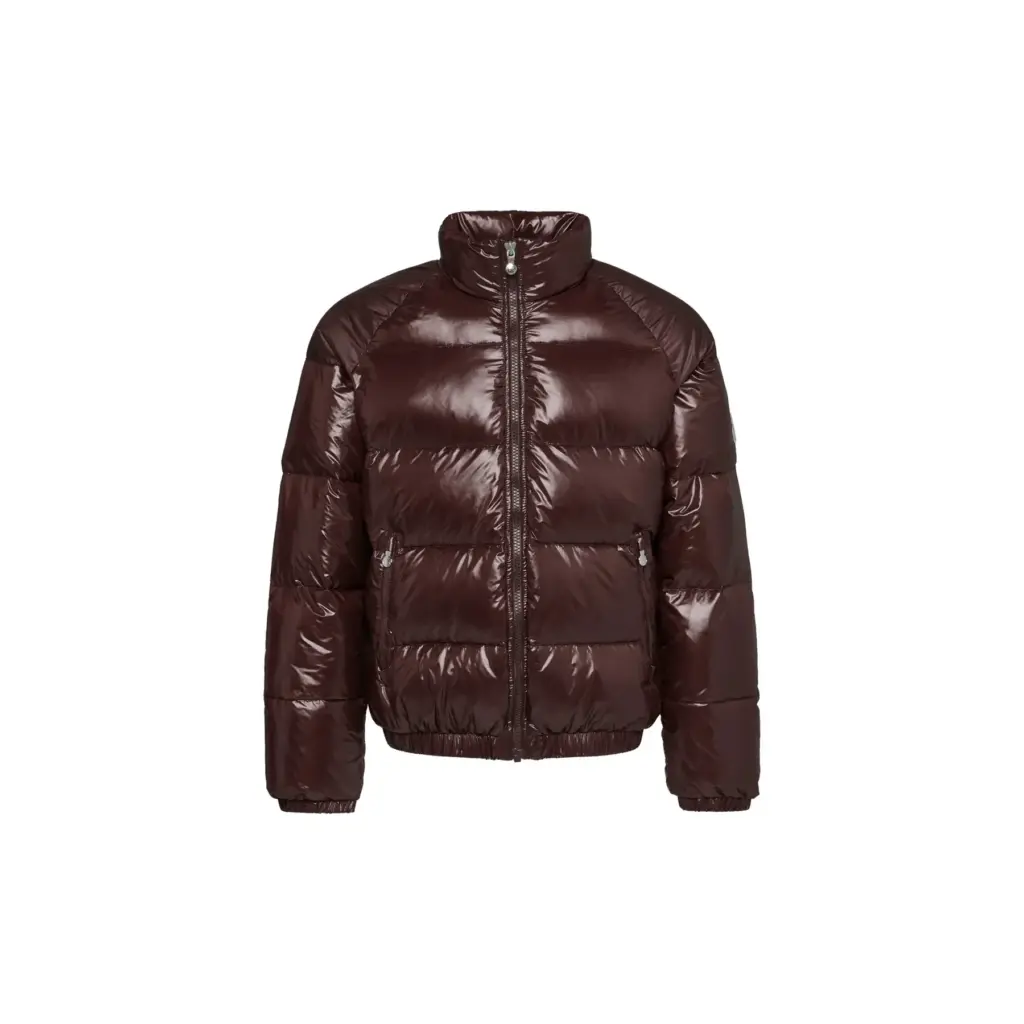
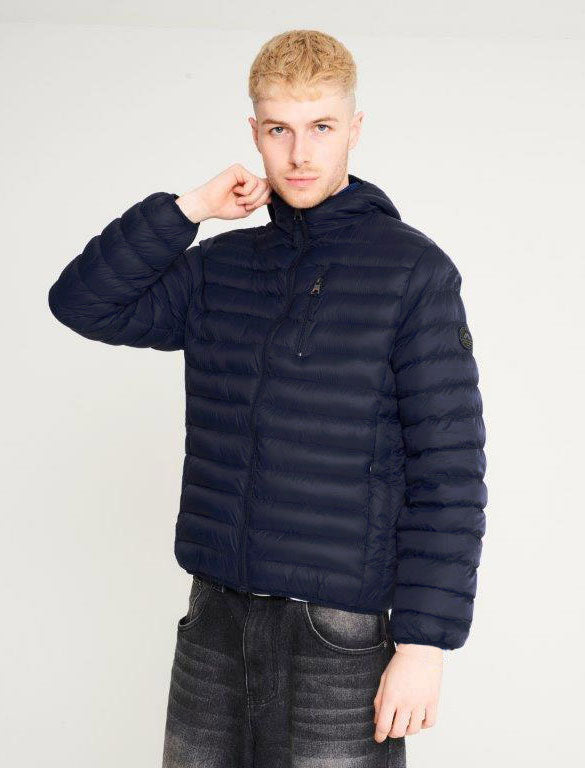 Quilted JacketsNavy Quilted Puffer Jackets for Colder Days

 Navy Padded Puffer Jackets That Finish Any Outfit

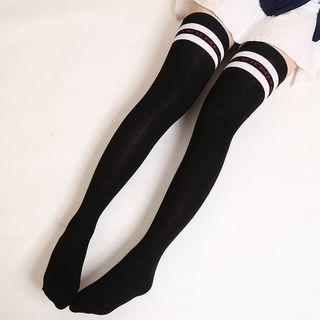 Cotton JacketsThe Best Navy Cotton Puffer Jackets to Shop Now

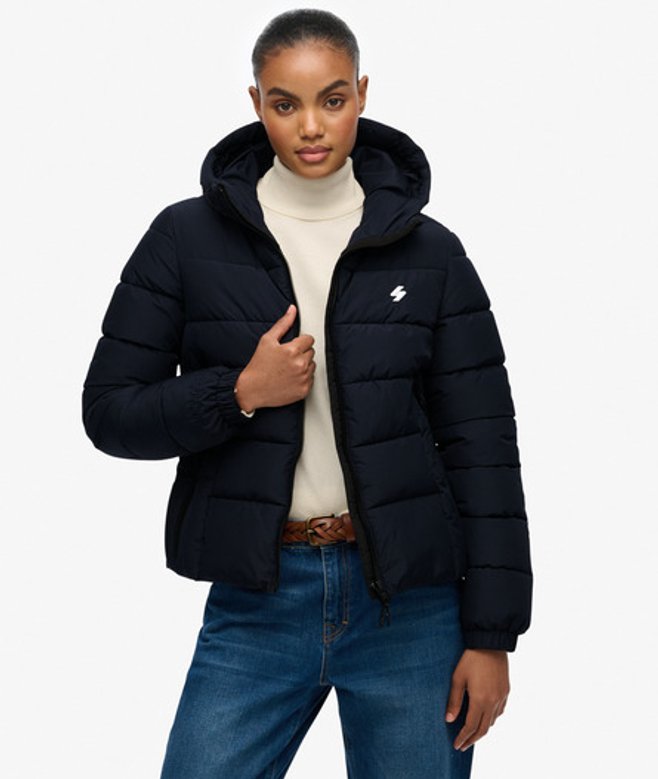 The Navy Cord Puffer Jackets Worth Your Wardrobe Space

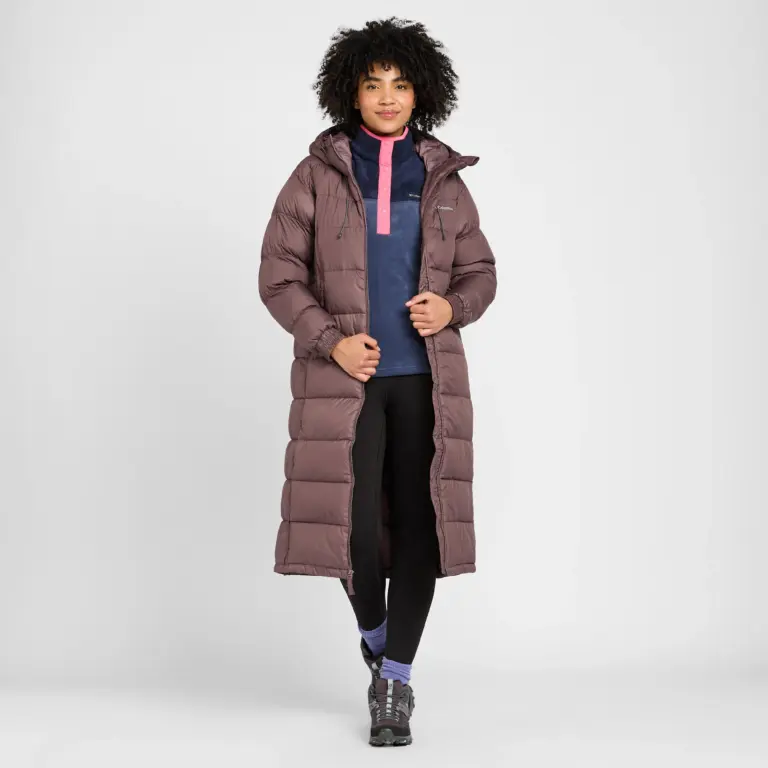 Longline Puffer Jackets for Colder Days

 Long Sleeve Puffer Jackets That Make an EntranceAlso worth a lookDenim JacketsThe thing nobody tells you about a denim jacket is that it takes about a month of actual…See the collections →

 Lightweight Puffer Jackets That Tick Every Box

 Leather JacketsLeather Puffer Jackets Actually Worth Buying

 Standout Khaki Padded Puffer Jackets to Shop

 Khaki Puffer Jackets: Picks We Stand By

 Quilted JacketsKhaki Quilted Puffer Jackets to Throw On Over Everything

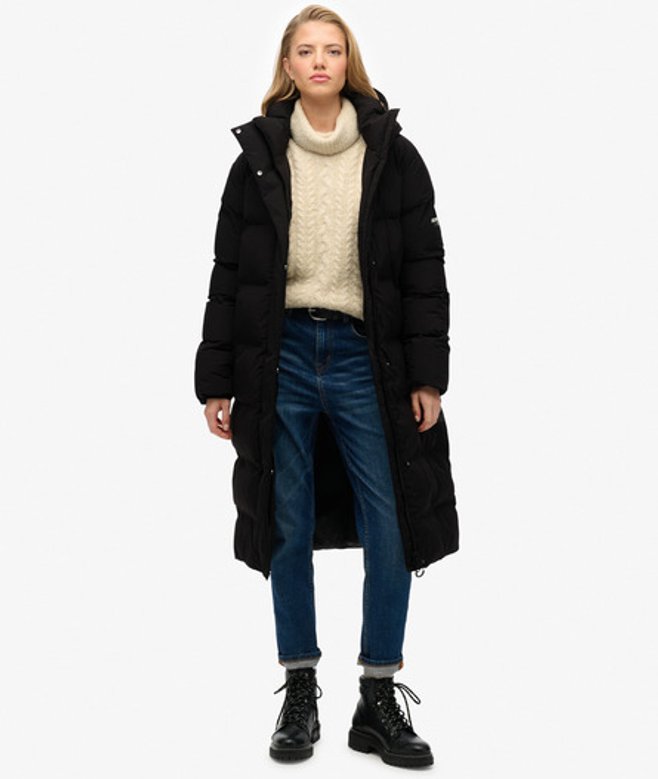 Hooded Puffer Jackets That Make an Entrance

 Grey Puffer Jackets We’ve Been Saving

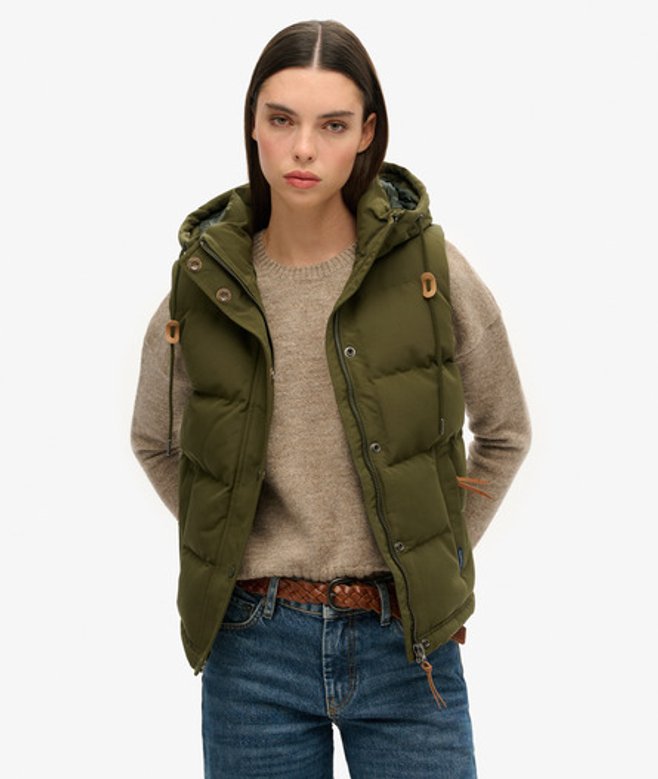 Green Puffer Jackets to See You Through Winter


