The question I get about quilted jackets is always the same: are they actually warm enough, or is it all padding and no point? Done properly, yes, warm enough for most of the year, and the trick is in the fill and the stitching pattern, not the thickness you can see.
Where it falls short is anywhere you need real protection from driving rain or proper cold. A quilted jacket with a thin synthetic fill is a three season piece at best, grand for a dry, sharp day, useless the second the weather turns nasty, because most of them aren't built to be soaked through and dried out again without the baffles going lumpy. It's also the wrong choice over anything with volume. Pair it with a full midi skirt or wide palazzo trousers and you end up looking like you're wearing two separate outfits that had an argument, one puffy, one swishy, neither winning. It sits best over something with a cleaner line, straight jeans, a slim dress, trousers with a bit of structure, so the quilting has room to be the texture in the outfit rather than fighting another one. A good one tells you what it is the moment you pick it up. The lining should feel like it's actually attached properly rather than ballooning loose inside the shell, the stitching channels should be even and close enough together that the fill can't migrate and leave you with a flat patch over one shoulder by October. Zips matter more than people expect from something that looks casual, a cheap plastic one will start catching within a month, a proper metal one with a decent pull will still glide after two winters. The outer fabric is the other tell. A nylon with a bit of weight and a slight sheen sheds light rain and doesn't crease if you sit in it on a train for an hour, whereas the thin, papery versions crease like a crisp packet and never quite recover their shape. Press studs or snap buttons should have a bit of resistance, not click open the first time you lean against a doorframe.
Given a bit of care, a quilted jacket gets better with age before it gets worse. The shell softens and loses that slightly stiff, straight off the rail look, which is no bad thing. The fill settles with wear, so a jacket that looked a bit overstuffed in the first week often sits closer to the body by the second winter, which is usually an improvement. What you're watching for later on is the quilting going thin at the elbows and the cuffs turning shiny, that's the sign it's on its way out rather than just broken in.

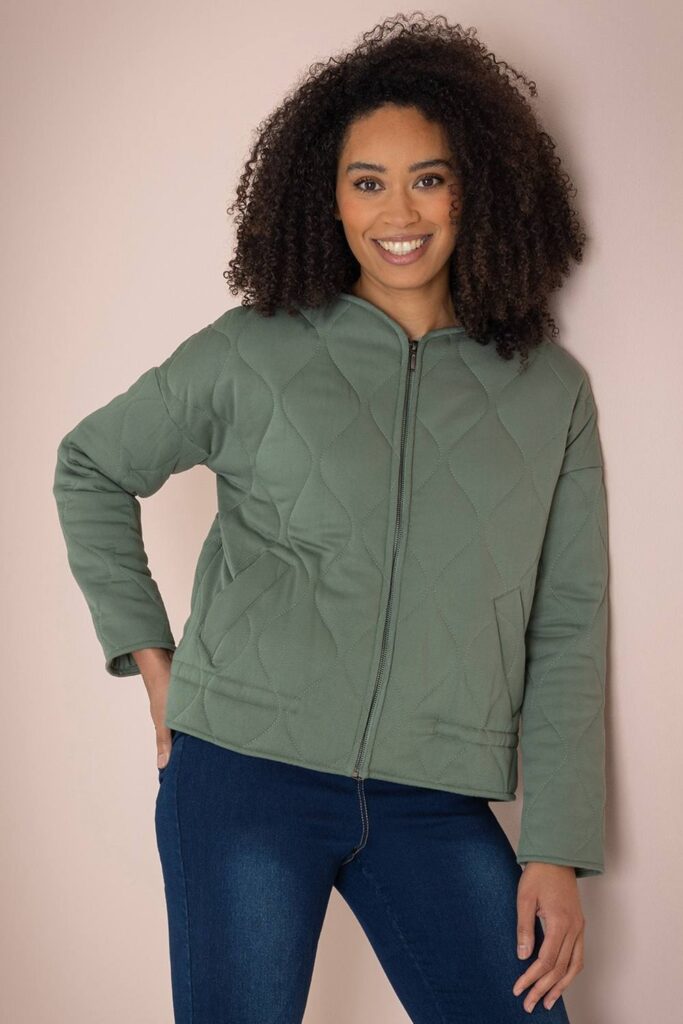 Our Top Zip Quilted Jackets Right Now

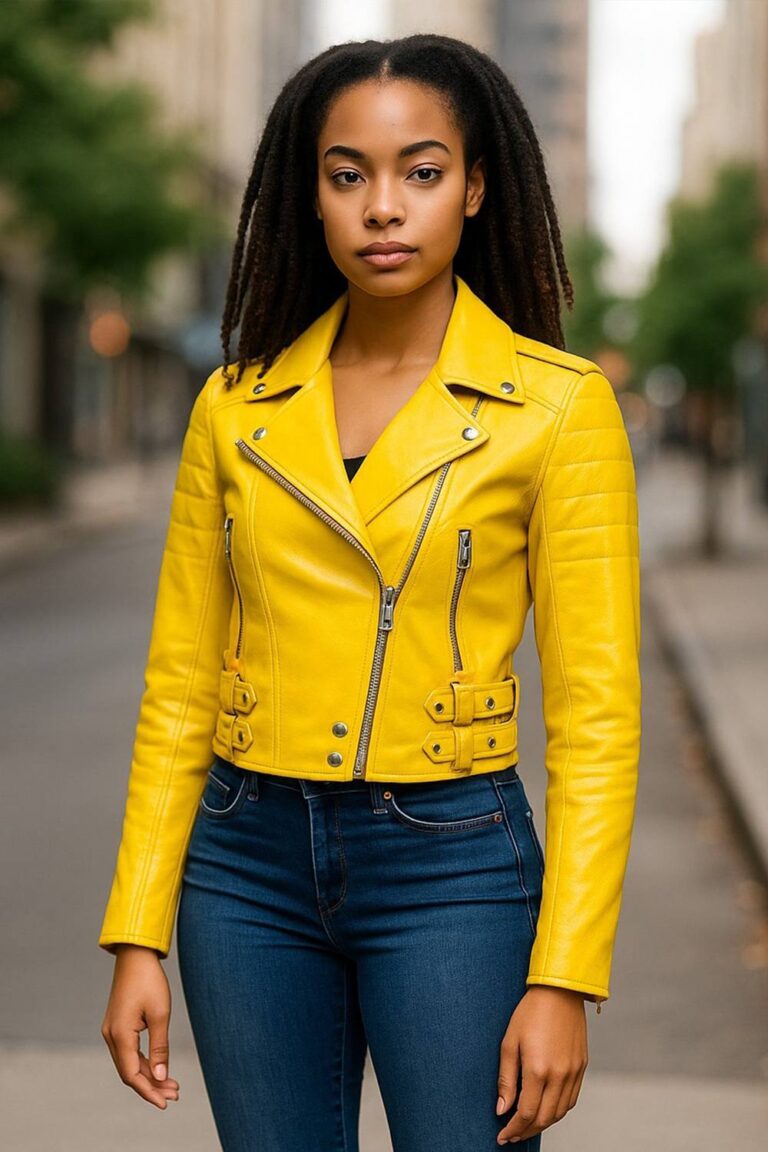 Yellow Quilted Jackets We’d Recommend to a Friend

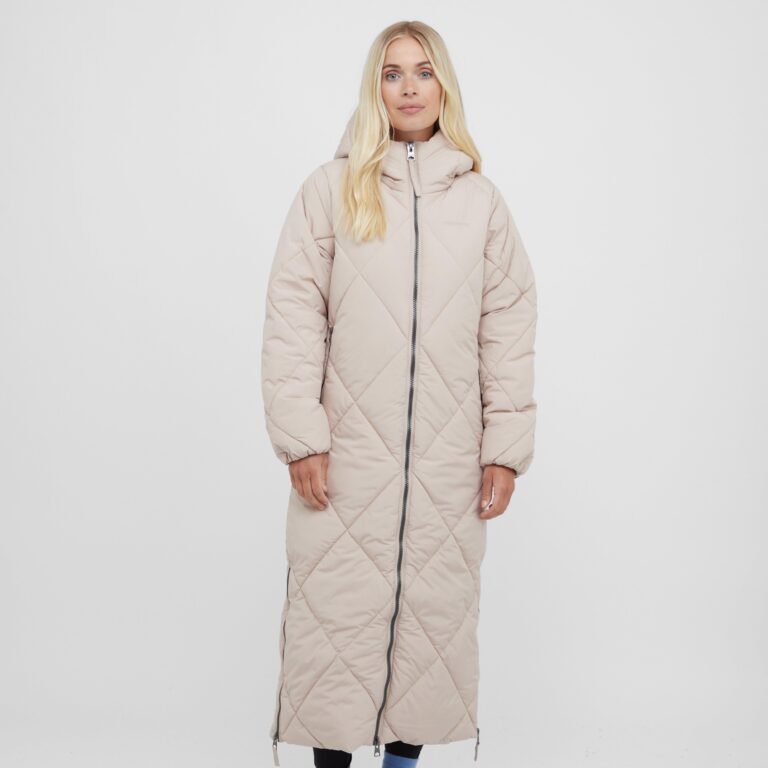 The Best Wrap Quilted Jackets to Shop Now

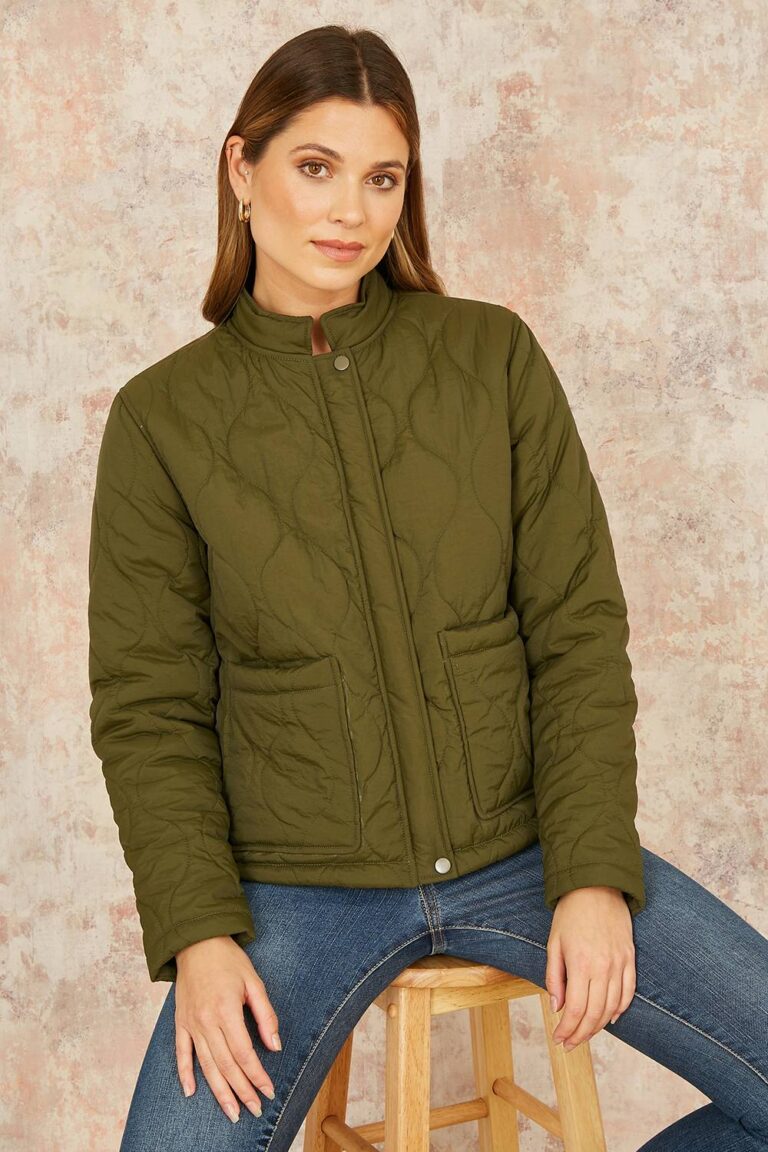 The Work Quilted Jackets We Keep Going Back To

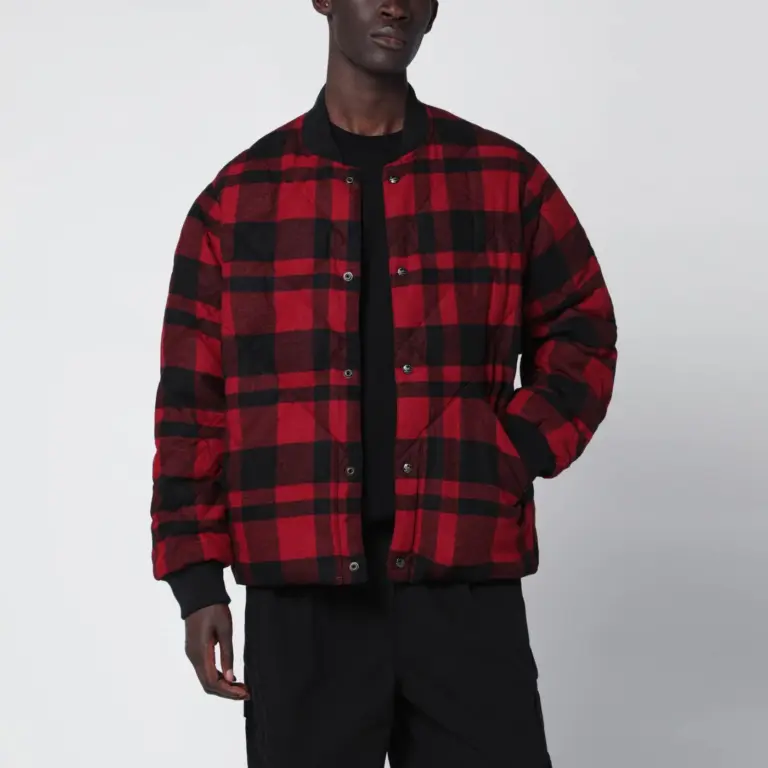 Wool Quilted Jackets on Our Radar

 Winter Quilted Jackets We Love Right Now

 White JacketsWhite Quilted Cropped Jackets Edited Down to the Best

 White JacketsOur Edit of the Best White Padded Quilted Jackets

 White JacketsOur Top White Cotton Quilted Jackets Right NowAlso worth a lookBlack JacketsA black jacket has a reputation for being the easy choice, the thing you buy when you can't…See the collections →

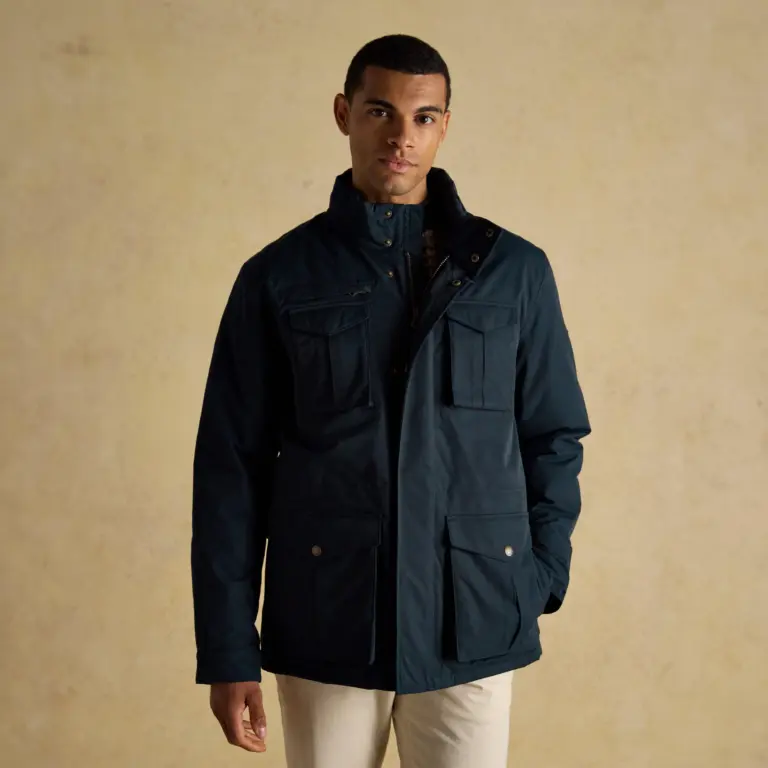 The Best Waterproof Quilted Jackets to Shop Now

 Waxed Quilted Jackets That Feel Special

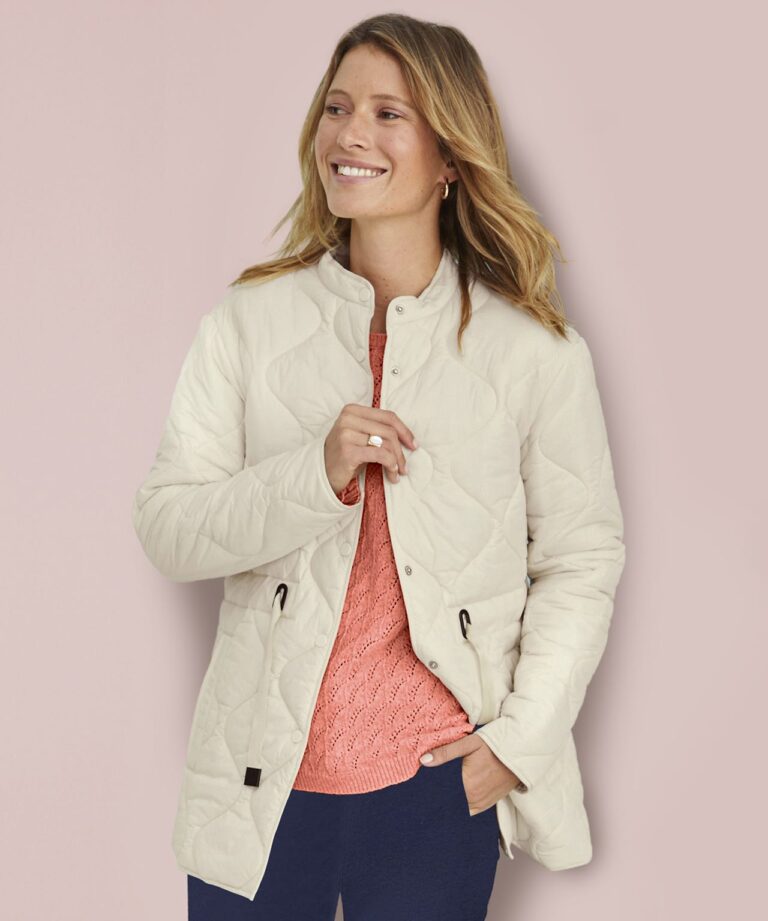 Where to Find the Best Spring Quilted Jackets

 Sleeveless Quilted Jackets We Think You’ll Love

 Our Top Silver Quilted Jackets Right Now

 Short Sleeve Quilted Jackets That Make an Entrance

 Red Quilted Jackets That Finish Any Outfit
 Leather JacketsRed Quilted Leather Jackets That Finish Any Outfit

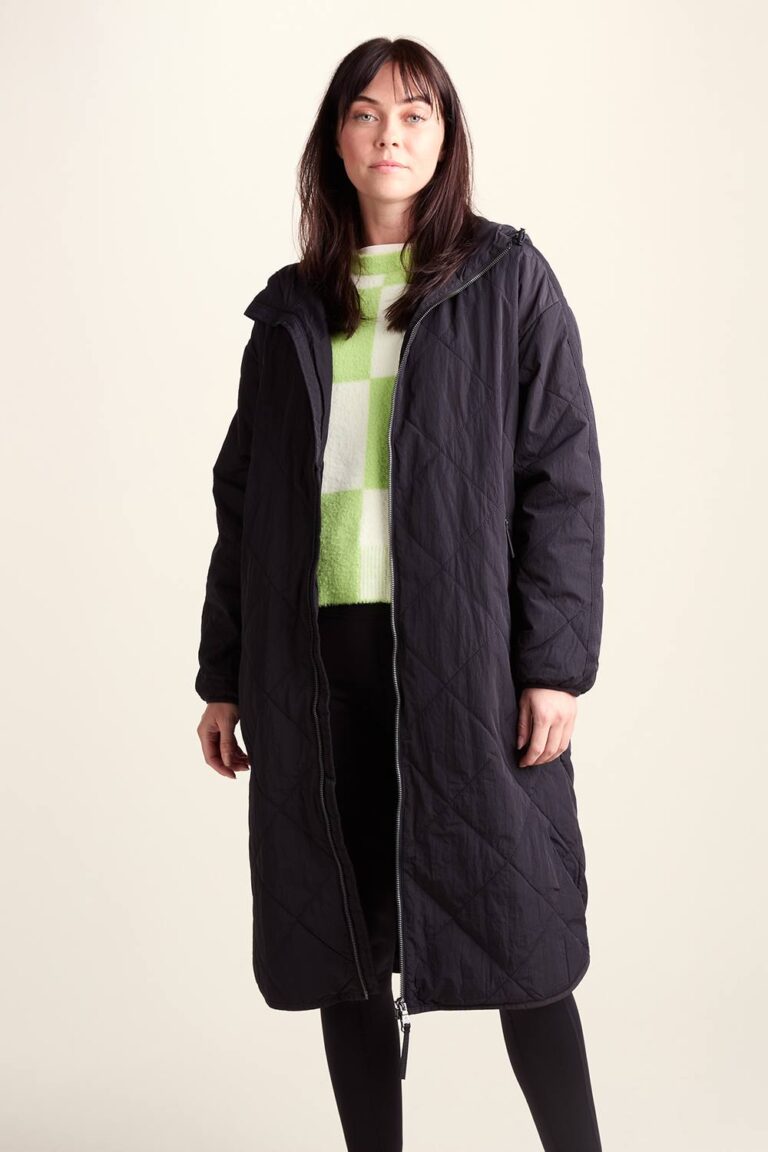 Quilted Jackets You’ll Wear Year After YearAlso worth a lookLeather JacketsPick up a good leather jacket before you've put an arm through it and you already know.See the collections →

 Quilted Rain Jackets That Make an Entrance

 Quilted Utility Jackets Actually Worth Buying

 Pink Quilted Jackets to Throw On Over Everything

 Petite Quilted Jackets We Think You’ll Love

 Our Edit of the Best Oversized Quilted Jackets

 Oversized Collar Quilted Jackets That Pull an Outfit Together

 Bomber JacketsOrange Quilted Bomber Jackets to Throw On Over Everything

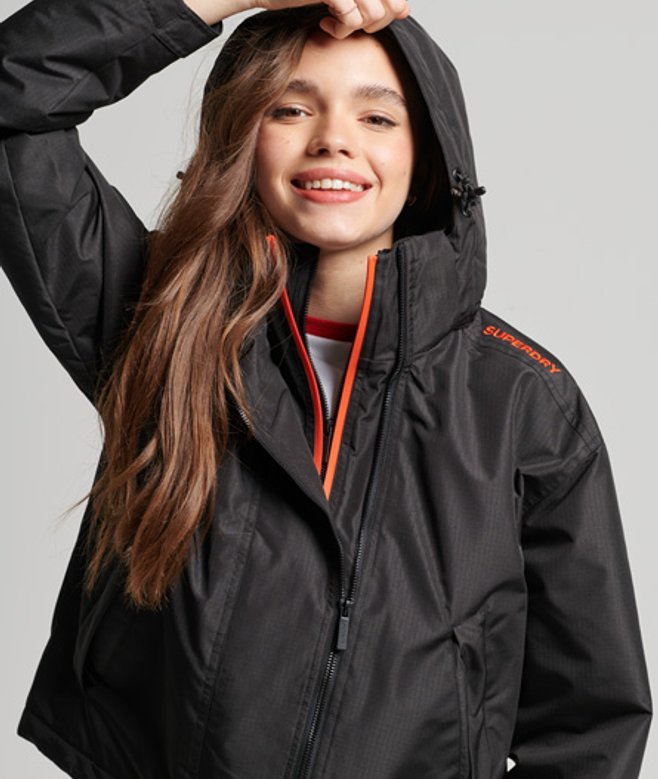 Our Shortlist of Orange Quilted Jackets

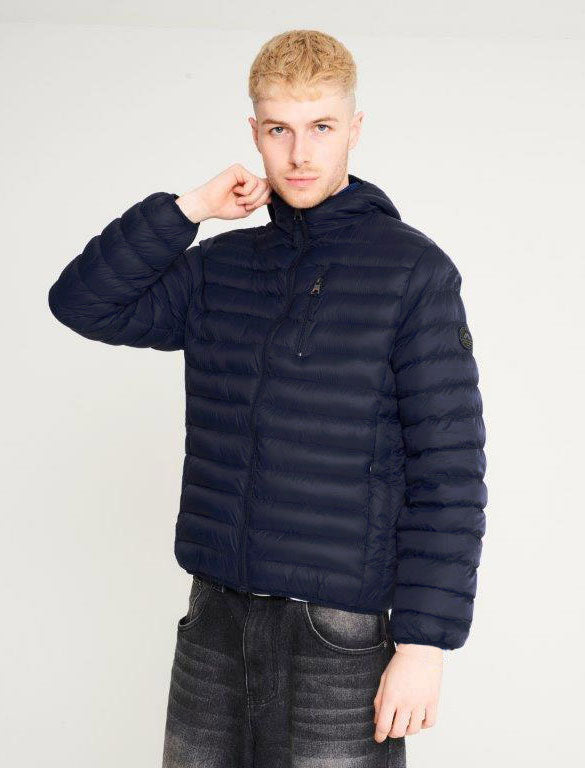 Puffer JacketsNavy Quilted Puffer Jackets for Colder DaysAlso worth a lookDenim JacketsThe thing nobody tells you about a denim jacket is that it takes about a month of actual…See the collections →

 Navy Nylon Quilted Jackets That Make an Entrance

 Navy Padded Quilted Jackets We’d Recommend to a Friend

 Leather JacketsNavy Leather Quilted Jackets Worth Investing In

 Navy Cord Quilted Jackets: The Ones Worth Your Money

 Longline Quilted Jackets: Our Honest Shortlist

 Smart Long Sleeve Quilted Jackets to Top Off Your Look

 The Lightweight Quilted Jackets We Keep Going Back To

 The Khaki Nylon Quilted Jackets We’re Eyeing Up This Season


