You can spot a good asymmetric dress from the other side of a room because the hem does something interesting without you noticing how. One shoulder bare, the other covered, a diagonal that cuts across the body and skims rather than clings. The poor version just looks like a regular dress that someone forgot to finish, an uneven hem that reads as a mistake rather than a design, and a shoulder strap that slides down every twenty minutes and makes you look like you're fighting your own outfit all evening.
If you're starting from nothing, go for one with an asymmetric neckline rather than an asymmetric hem, because it's easier to wear with normal shoes and normal tights and doesn't need you to think about leg positioning every time you sit down. A single bare shoulder in a mid weight jersey is the most forgiving shape going, it moves with you rather than needing you to hold still, and it works under a coat in a way a dramatic cut out hem never will. For colour, go plain and solid before you go anywhere near a print, because the asymmetry is already doing the interesting bit and a busy pattern fighting with an uneven hemline just looks confused. Deep green, black, a rich berry, any of those photograph well and don't show much against a dark pub carpet or a slightly dodgy wedding marquee floor. Pale colours show every mark and make the asymmetric cut look lopsided rather than deliberate, which is the opposite of what you want.
Jersey and matte crepe age the best of any fabric I've tried in this shape, they don't crease in a bag the way satin does and they don't pill under the arm where a bag strap sits all day. Wash it inside out on a cool cycle and skip the tumble dryer, because heat is what kills the stretch that holds an off shoulder neckline in place, and once that goes the whole dress sags rather than sits. A dress that's lasted me two summers of actual wear still holds its shape because the fabric has a bit of weight to it rather than feeling like a bin bag.
The real difference between a brilliant one and a disappointing one is in the hem and the seams, not the fabric alone. A proper one has a weighted or bound hem so the diagonal edge doesn't curl or fray after a few washes, and the shoulder seam is reinforced rather than just overlocked, because that's the point that takes all the strain when you reach for a drink or shrug off a cardigan. Cheap zips split exactly where the asymmetric seam meets the side, so check that bit before anything else.

 A Line DressesAsymmetric A Line Dresses Worth Adding to Your Wardrobe

 Cocktail DressesAsymmetric Hem Cocktail Dresses That Do All the Work for You

 Satin DressesAsymmetric Hem Satin Dresses for Every Occasion on Your Calendar

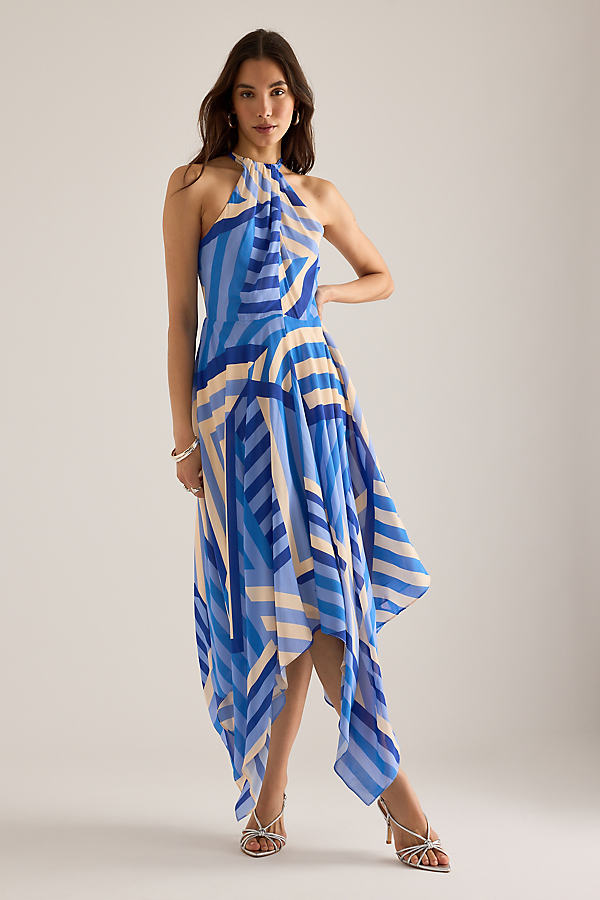 Maxi DressesThe Asymmetric Maxi Dresses Worth Planning an Outfit Around

 Blazer DressesAsymmetric Blazer Dresses That Flatter Without Trying

 Denim DressesAsymmetric Hem Denim Dresses for Every Occasion on Your Calendar

 Sequin DressesThe Asymmetric Hem Sequin Dresses We’re Eyeing Up This Season

 Midi DressesOur Go To Asymmetric Midi Dresses

 Bodycon DressesThe Asymmetric Bodycon Dresses Worth Your Wardrobe SpaceAlso worth a lookMidi DressesI used to think midi dresses were what you wore when you'd given up on deciding whether to…See the collections →

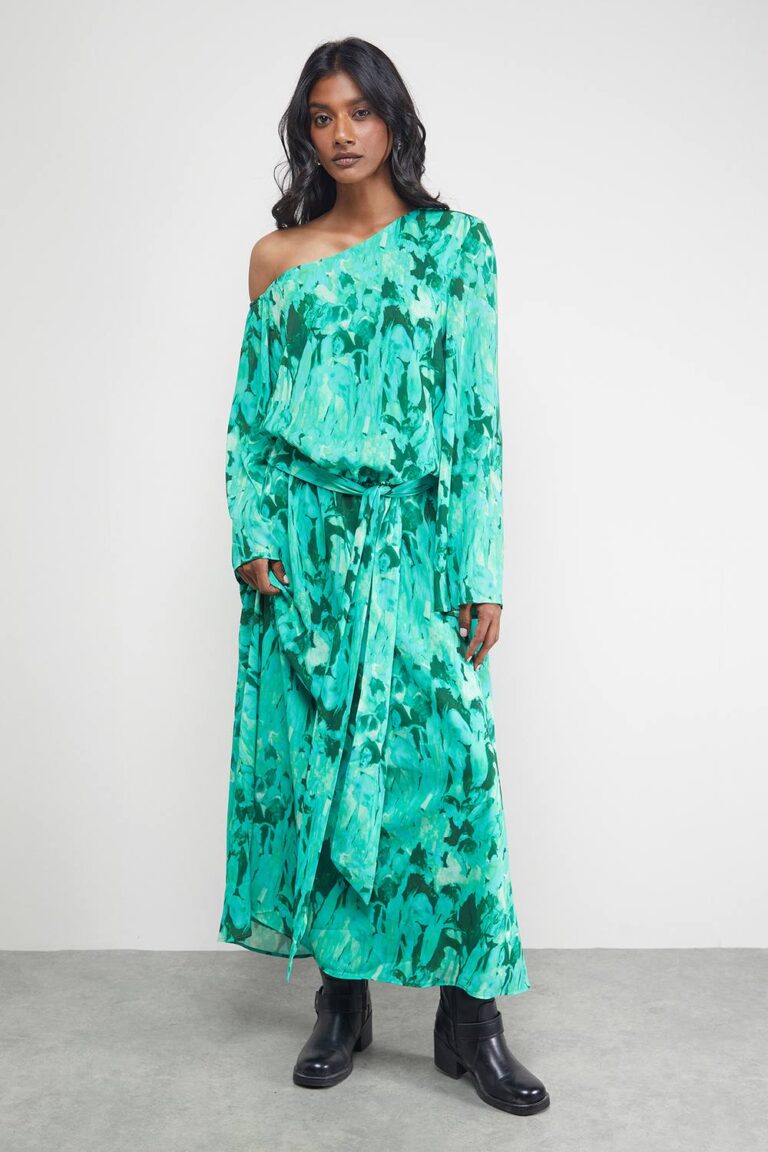 Evening DressesAsymmetric Hem Evening Dresses That Make Getting Dressed Easy

 Shift DressesAsymmetric Hem Shift Dresses We’d Buy Again

 Mini DressesAsymmetric Mini Dresses You’ll Want to Live In

 Bridesmaid DressesAsymmetric Bridesmaid Dresses We’d Recommend to a Friend

 Fit and Flare DressesOur Shortlist of Asymmetric Hem Fit and Flare Dresses

 Shirt DressesAsymmetric Hem Shirt Dresses That Earn Their Place

 Party DressesHandpicked Asymmetric Party Dresses We Keep Coming Back To

 Cami DressesAsymmetric Cami Dresses That Earn Their Place
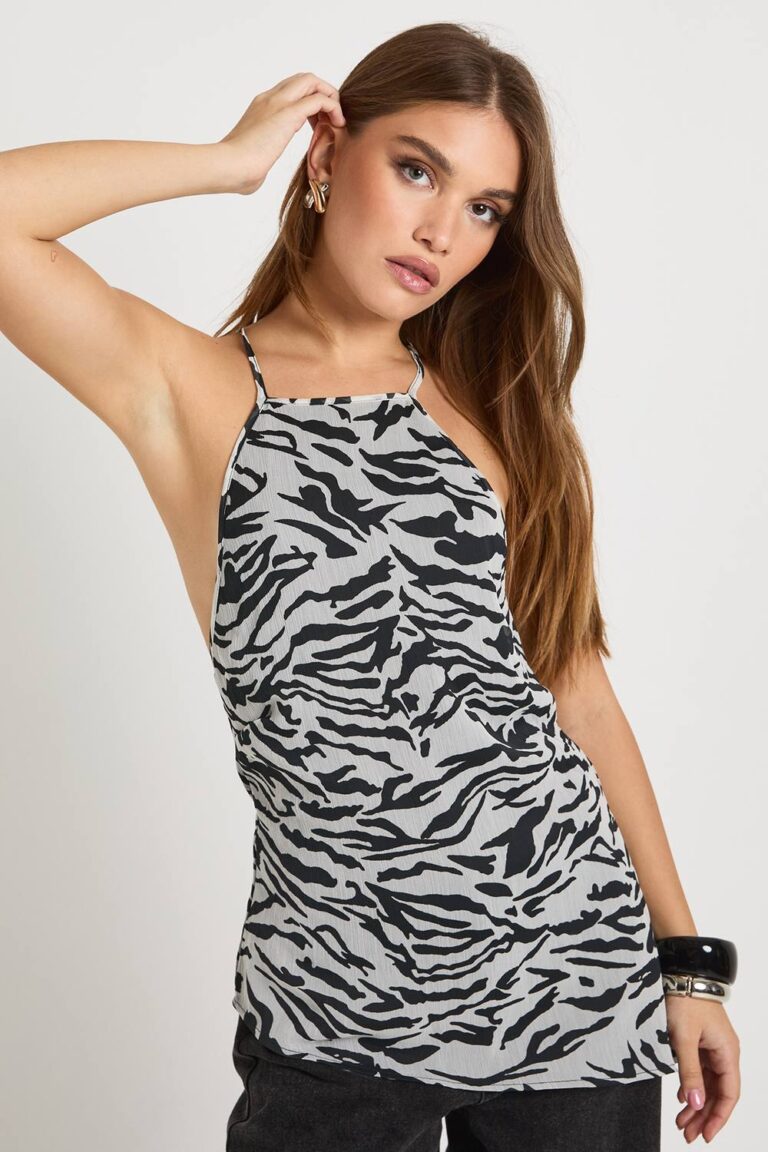
 Floral DressesAsymmetric Hem Floral Dresses That Make Getting Dressed EasyAlso worth a lookMaxi DressesA maxi dress is only as good as its hem, because that is the part that catches wind,…See the collections →

 Slip DressesAsymmetric Hem Slip Dresses: Our Honest Shortlist

 Polka Dot DressesAsymmetric Polka Dot Dresses With Real Wardrobe Staying Power

 Cocktail DressesThe Asymmetric Cocktail Dresses We’d Wear Anywhere

 Halter DressesAsymmetric Hem Halter Dresses Worth a Closer Look

 Summer DressesThe Only Asymmetric Hem Summer Dresses You Need to See

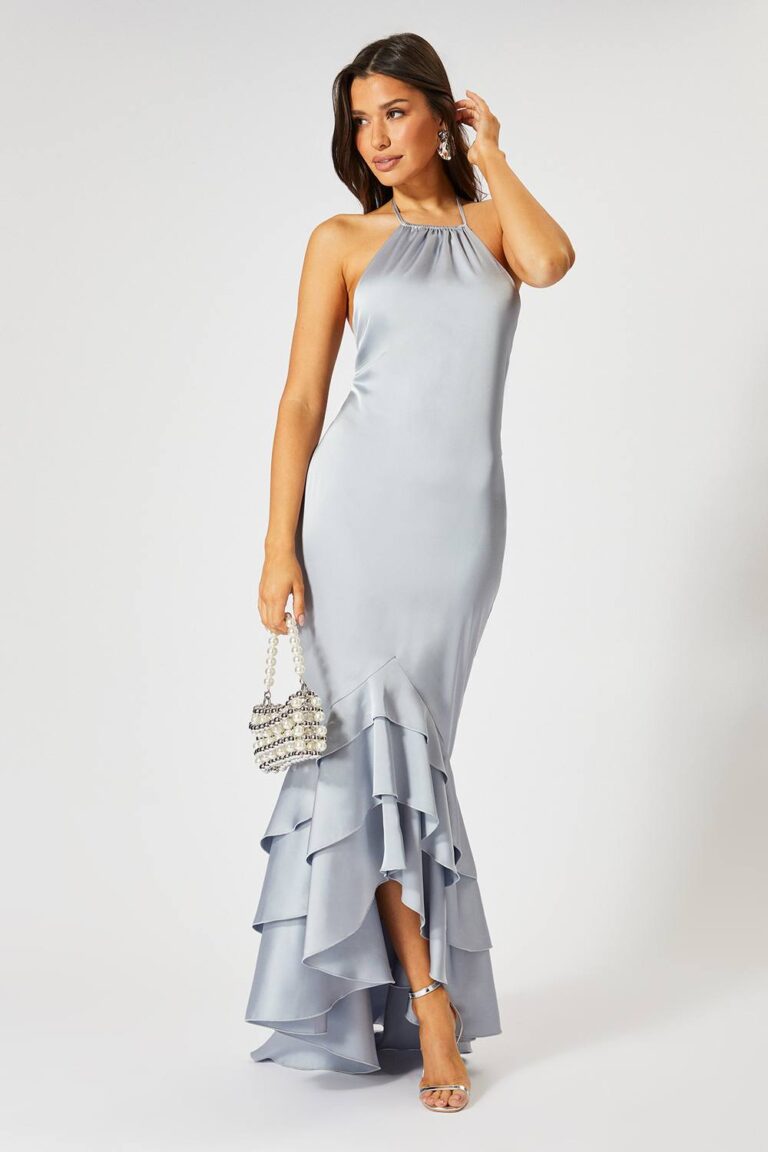 Satin DressesAsymmetric Satin Dresses We’d Recommend to a Friend

 Corset DressesThe Asymmetric Corset Dresses Worth Your Wardrobe Space

 Jersey DressesAsymmetric Hem Jersey Dresses We’d Buy Again

 Tiered DressesAsymmetric Hem Tiered Dresses With Real Wardrobe Staying PowerAlso worth a lookMini DressesThe thing nobody mentions about a mini dress is what happens to the hem after the third wash and the fifth wear.See the collections →

 Sequin DressesAsymmetric Sequin Dresses That Make Getting Dressed Easy
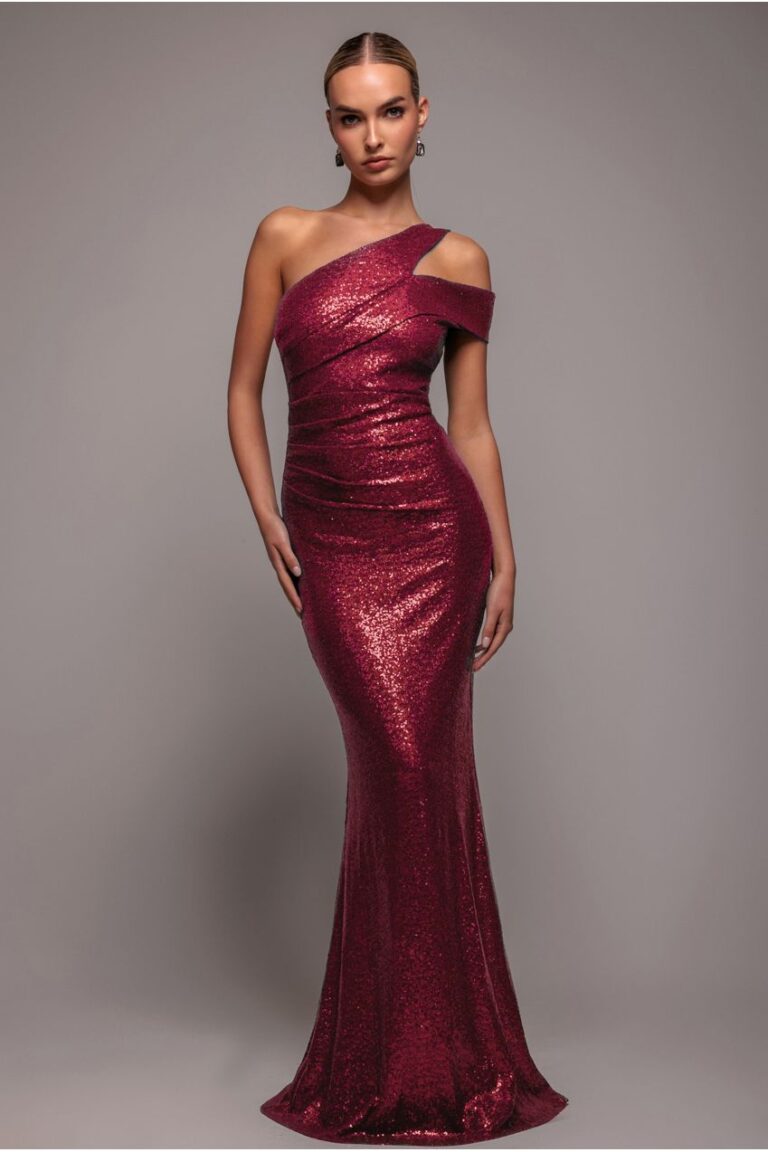
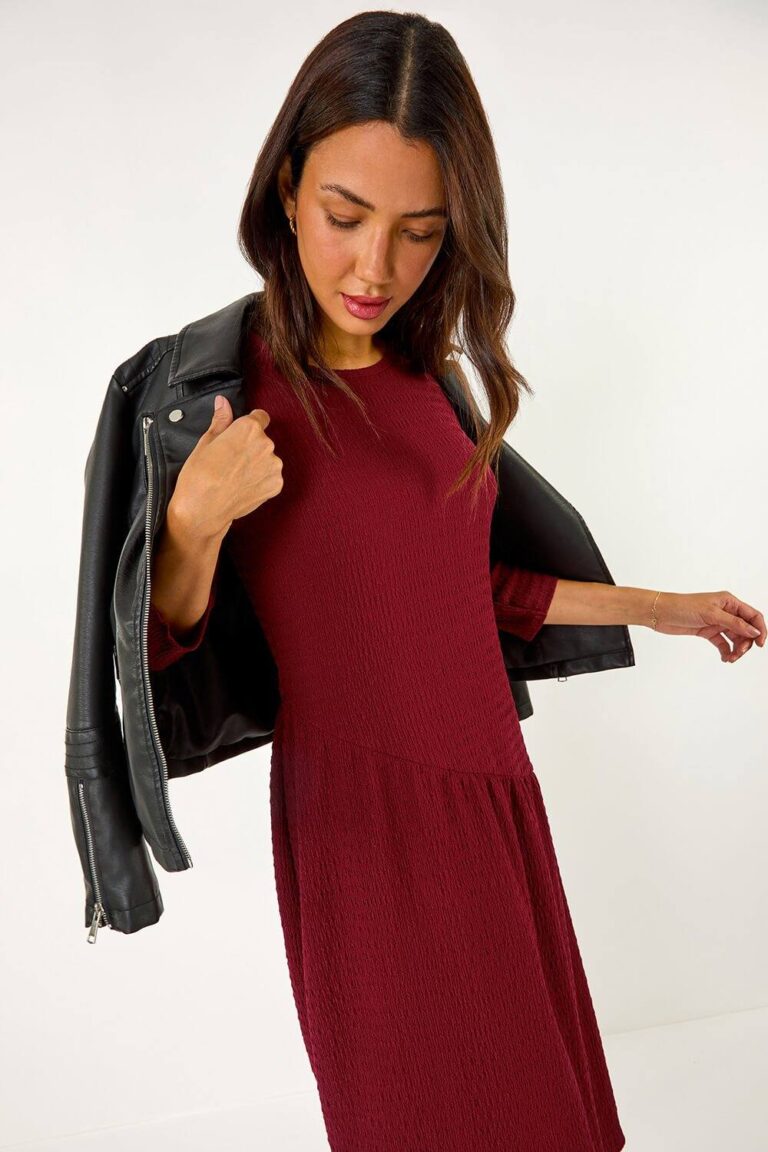 Denim DressesOur Kind of Asymmetric Denim Dresses
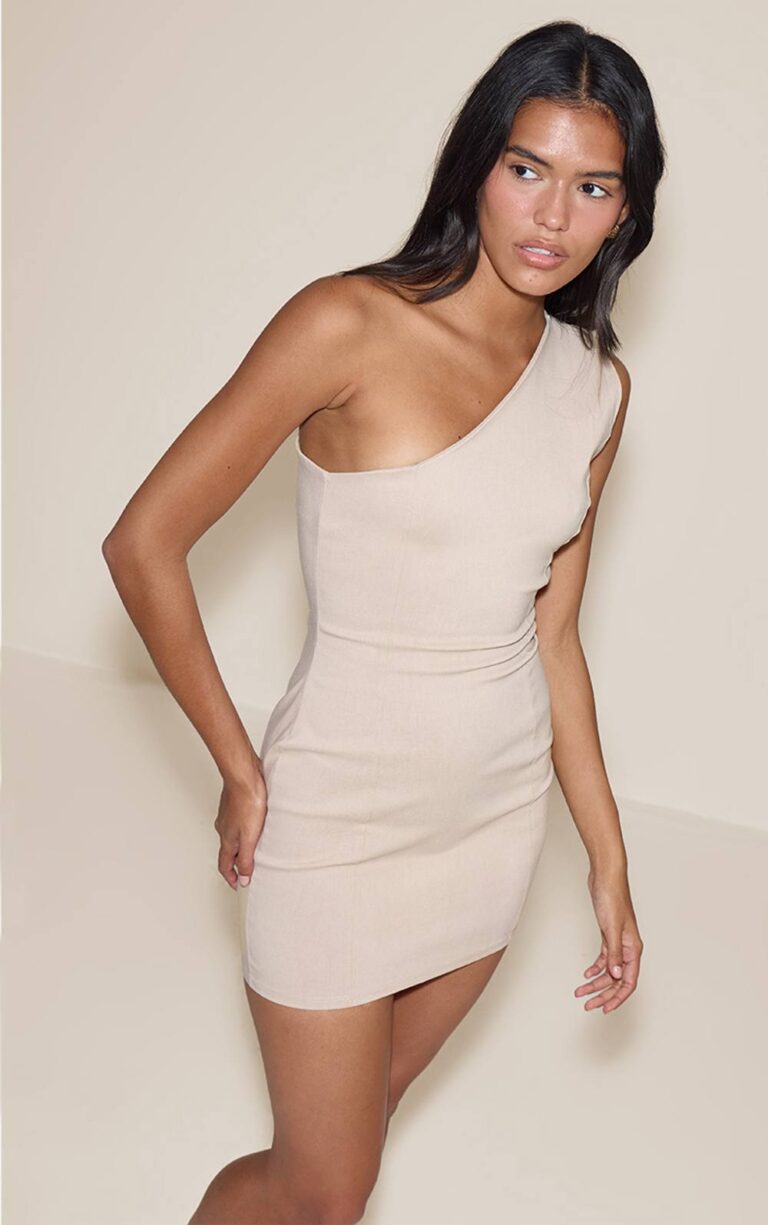
 Knitted DressesAsymmetric Hem Knit Dresses We’d Buy Again

 Velvet DressesAsymmetric Hem Velvet Dresses That Make Getting Dressed Easy

 Shift DressesOur Shortlist of Asymmetric Shift Dresses

 Evening DressesAsymmetric Evening Dresses Actually Worth Buying

 Lace DressesHandpicked Asymmetric Hem Lace Dresses We Keep Coming Back To

 Wedding Guest DressesThe Edit: Asymmetric Hem Wedding Guest Dresses


