The first time I actually needed one wasn’t on holiday abroad, it was the local lido on a Tuesday, swimsuit soaked through, two kids demanding chips from the kiosk, and me stood there in a wet costume because I hadn’t thought to bring anything to throw over it. That’s the whole job of a beach dress. It goes on over damp skin in under ten seconds and makes you look like you planned the afternoon instead of just surviving it.
Sizing on these is a law unto itself, because half of them are designed to be loose everywhere, which sounds forgiving until you realise loose everywhere can mean a neckline that gapes every time you bend for a bucket and spade, or armholes big enough to flash your side to the whole beach. Go by the bust measurement, not the label, and check where the hem actually sits once it’s on, because “midi” on the hanger has turned into “why can I see my knickers” on me more than once. The fabric is where cheap ones show themselves fastest, a thin viscose goes see through the second it gets a splash on it and clings in all the wrong places, while a proper cotton or a decent linen blend keeps its shape, dries fast and doesn’t need ironing after it’s been balled up in a bag with a wet towel for six hours. Check the seams at the shoulder and underarm, that’s where the cheap ones start pulling apart by the second wear, and if there’s a tie or a button, make sure it’s stitched on properly and not just glued at the edge. If you’ve got none of these in your life, start with a simple shift shape in a dark or busy print, no zips, no fuss, something you can pull on wet or dry, over a bikini or with trainers and a denim jacket when the sun disappears at six. It covers everything from a beach day to a barbecue to walking to the shop for ice lollies, right through late spring into early autumn, and it packs down to nothing in a case.
A good beach dress is cheap holiday happiness, and a bad one is a lesson you only need to learn once.

 Yellow DressesYellow Beach Dresses We’d Buy Again

 Wrap DressesWrap Maxi Beach Dresses That Make Getting Dressed Easy

 Wrap DressesWrap Beach Dresses That Always Get Compliments

 V Neck DressesShop Our Favourite White V Neck Beach Dresses

 Tiered DressesWhite Tiered Beach Dresses We’re Adding to Basket

 White DressesFinding the Best White Strappy Beach Dresses

 Printed DressesWhite Printed Beach Dresses for Sunny Days Ahead

 White DressesWhite Midi Beach Dresses for When You Want to Feel Put Together

 White DressesWhite Lace Beach Dresses We’re Adding to BasketAlso worth a lookMidi DressesI used to think midi dresses were what you wore when you'd given up on deciding whether to…See the collections →

 White DressesWhite Floral Beach Dresses You Can Dress Up or Down

 Cotton DressesWhite Cotton Beach Dresses We Can’t Stop Looking At

 White DressesShop Our Favourite White Beach Dresses

 White DressesWhite A Line Beach Dresses That Make Getting Dressed Easy

 V Neck DressesThe V Neck Maxi Beach Dresses Worth Planning an Outfit Around

 V Neck DressesV Neck Mini Beach Dresses: What We’d Buy Now

 V Neck DressesOur Top V Neck Sleeveless Beach Dresses Right Now

 Printed DressesTropical Print Beach Dresses for Every Occasion on Your Calendar

 Turquoise Beach Dresses That Make Getting Dressed EasyAlso worth a lookMaxi DressesA maxi dress is only as good as its hem, because that is the part that catches wind,…See the collections →

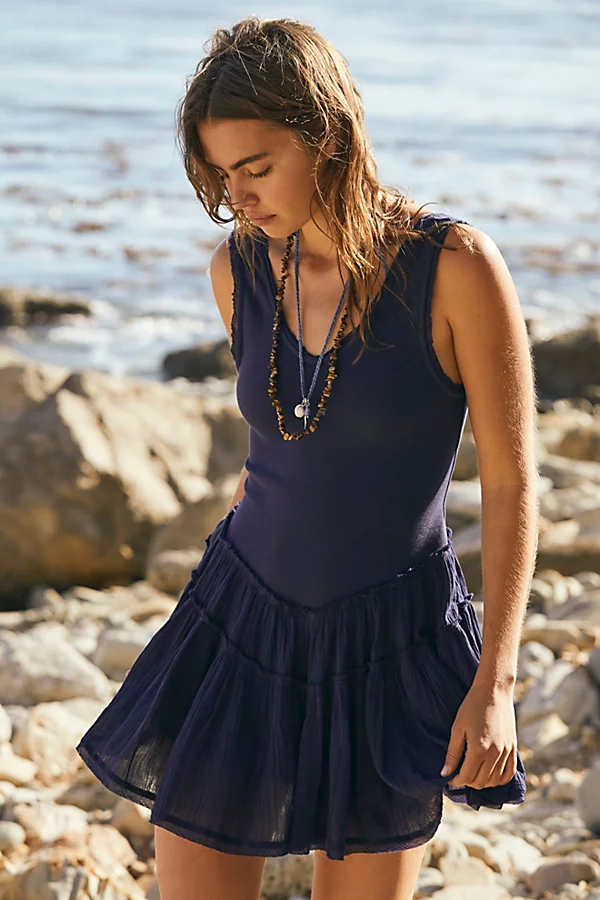 Tiered DressesOur Go To Tiered Beach Dresses

 Tiered DressesTiered Maxi Beach Dresses We’re Adding to Basket

 Tiered DressesThe Tiered Midi Beach Dresses We Keep Going Back To

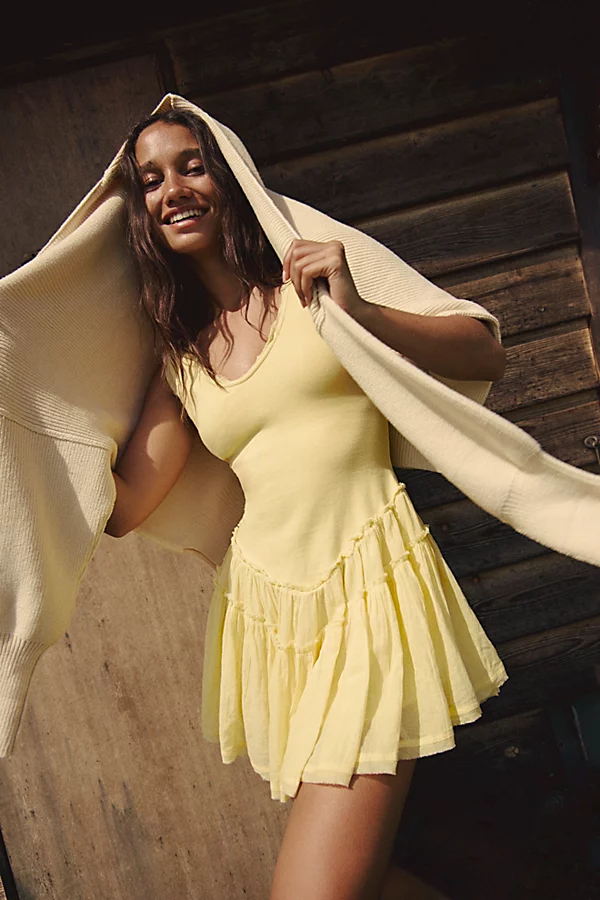 Tiered DressesTiered Mini Beach Dresses That Make Getting Dressed Easy

 Tie Waist DressesTie Waist Midi Beach Dresses That Always Get Compliments

 Tie Waist DressesTie Waist Beach Dresses That Feel Special

 Tie Waist DressesTie Waist Maxi Beach Dresses for Warmer Days

 Textured Beach Dresses We’ve Been Saving

 Summer DressesThe Summer Beach Dresses Worth Planning an Outfit AroundAlso worth a lookMini DressesThe thing nobody mentions about a mini dress is what happens to the hem after the third wash and the fifth wear.See the collections →

 Strappy DressesStandout Strappy Maxi Beach Dresses to Shop

 Strappy DressesStrappy Midi Beach Dresses We Love Right Now

 Strappy DressesThe Strappy Mini Beach Dresses We’d Wear Anywhere

 Strappy DressesStrappy Beach Dresses We Think You’ll Love

 Strapless DressesThe Prettiest Strapless Beach Dresses Around Right Now


