Button through dresses suit anyone who wants to get dressed without much thinking, which is most of us most mornings. They're kind to women who need to adjust how much they're showing depending on the day, a bit more buttoned for the school run, a bit less for later, and they're forgiving on bodies that change shape through the day or the month. Where they're less kind is on anyone who finds gaping a nuisance rather than a feature, because the placket will pull open at the bust or the hip on certain builds, and no amount of ignoring it fixes that.
The difference between a good one and a bad one usually comes down to what's holding it together. Cheap versions use plastic buttons that crack if you catch them in a bag strap, and the buttonholes fray within a few washes until the whole front looks tired. A better one has buttons sewn through properly, not just glued on a shank, and a placket with a bit of interfacing so it sits flat instead of curling. Fabric matters more here than in most dresses, because anything too thin will cling and gape at once, which is the worst combination. A denser cotton, a proper linen blend, or a jersey with enough weight to skim rather than stick, all behave better than something flimsy dressed up with a nice print.
These dresses do most of their work alone, which is part of the appeal, but they're easy enough to layer when the weather turns. A jumper worn open over the top in early autumn softens the shirt dress shape without losing it, and in winter a thick tight and ankle boots make the whole thing feel seasonal rather than like a stranded summer piece. In proper heat they're one of the few dress styles that still breathe, as long as the fabric isn't synthetic, which traps warmth exactly where you don't want it.
Colour wise, plain shades outlast prints by years, not because prints look bad but because they date faster and show their age in the fading. Navy, a soft olive, a warm stone, all hide the slight unevenness that comes from ironing round buttons rather than over them. White is lovely and genuinely difficult to keep looking fresh.
With wear, the buttons start to show it before the fabric does, a slight yellowing on pale ones, a looseness in the stitching that needs catching early. The fabric itself tends to soften and drop a touch at the hem, which on a lot of these dresses is no bad thing, it just stops being new and starts being yours.
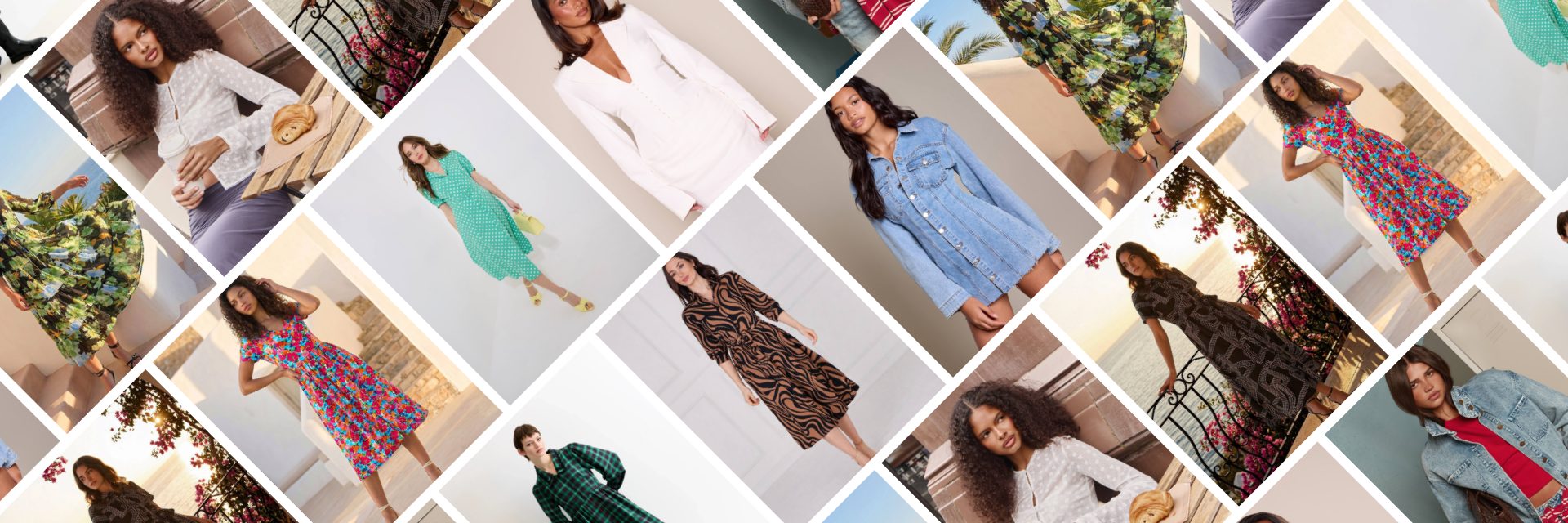
 Linen DressesWhite Button Through Linen Dresses You’ll Want to Live In

 White DressesWhite Button Through Midi Dresses: The Ones Worth Your Money

 White DressesWhite Button Through Mini Dresses: What We’d Buy Now

 Shirt DressesWhite Button Through Shirt Dresses Worth Adding to Your Wardrobe

 White DressesThe White Button Through Summer Dresses on Our Wishlist

 Tiered DressesWhite Button Through Tiered Dresses Worth Adding to Your Wardrobe

 Work DressesWhite Button Through Work Dresses That Always Get Compliments

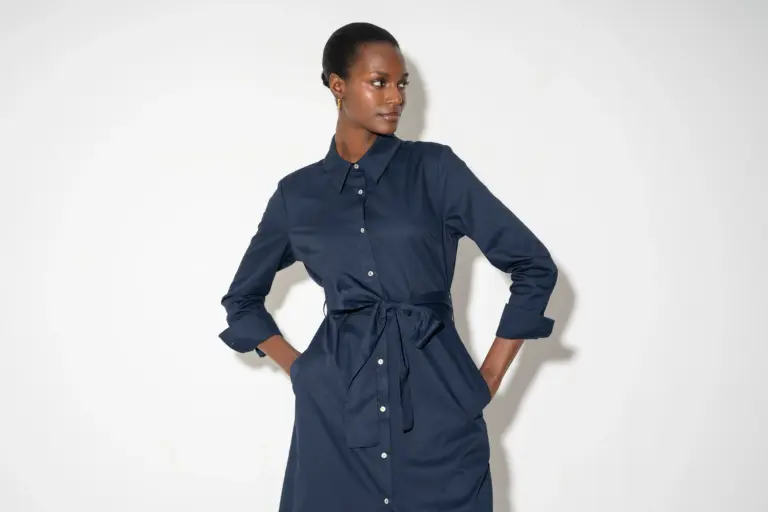 White DressesWhite Button Through A Line Dresses: Our Honest Shortlist

 Blazer DressesWhite Button Through Blazer Dresses That Earn Their PlaceAlso worth a lookMidi DressesI used to think midi dresses were what you wore when you'd given up on deciding whether to…See the collections →

 White DressesWhite Button Through Denim Dresses Edited Down to the Best

 White DressesWhite Button Through Evening Dresses Made for Party Season

 White DressesWhite Button Through Floral Dresses We’ve Been Saving

 Knitted DressesWhite Button Through Knit Dresses You’ll Want to Live In

 Satin DressesShop the Edit: Satin Button Through Evening Dresses

 Satin DressesSatin Button Through Maxi Dresses We Can’t Stop Looking At

 Pink DressesPink Button Through Summer Dresses Actually Worth Buying

 Pink DressesThe Only Pink Button Through Denim Dresses You Need to See

 Pink DressesOur Shortlist of Pink Button Through Evening DressesAlso worth a lookMaxi DressesA maxi dress is only as good as its hem, because that is the part that catches wind,…See the collections →

 Pink DressesPink Button Through Floral Dresses: Our Top Picks

 Pink DressesThe Pink Button Through Midi Dresses We’d Wear Anywhere

 Shirt DressesPink Button Through Shirt Dresses: What We’d Buy Now

 Orange DressesOrange Button Through Summer Dresses: The Ones Worth Your Money

 Navy DressesThe Edit: Navy Button Through Summer Dresses

 Shirt DressesOur Edit of the Best Navy Button Through Shirt Dresses

 Navy DressesNavy Button Through A Line Dresses That Earn Their Place

 Navy DressesNavy Button Through Evening Dresses That Do All the Work for You

 Navy DressesNavy Button Through Floral Dresses We’d Recommend to a FriendAlso worth a lookMini DressesThe thing nobody mentions about a mini dress is what happens to the hem after the third wash and the fifth wear.See the collections →

 Linen DressesNavy Button Through Linen Dresses: The Ones Worth Your Money

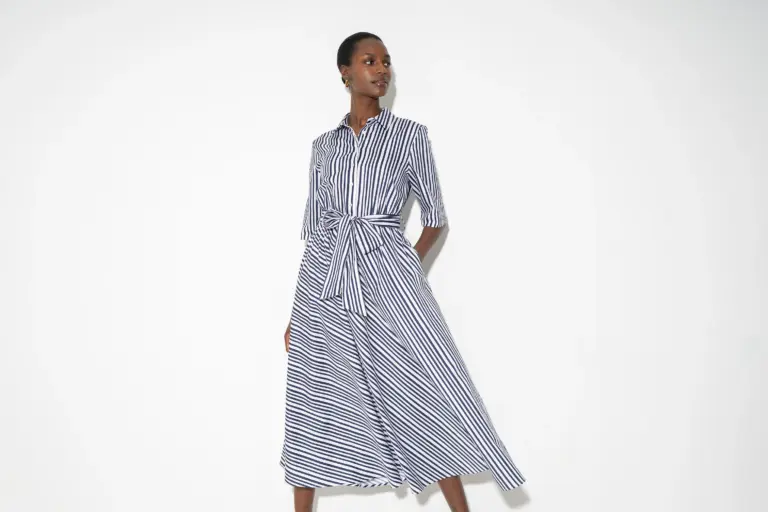 Navy DressesNavy Button Through Midi Dresses: What We’d Buy Now

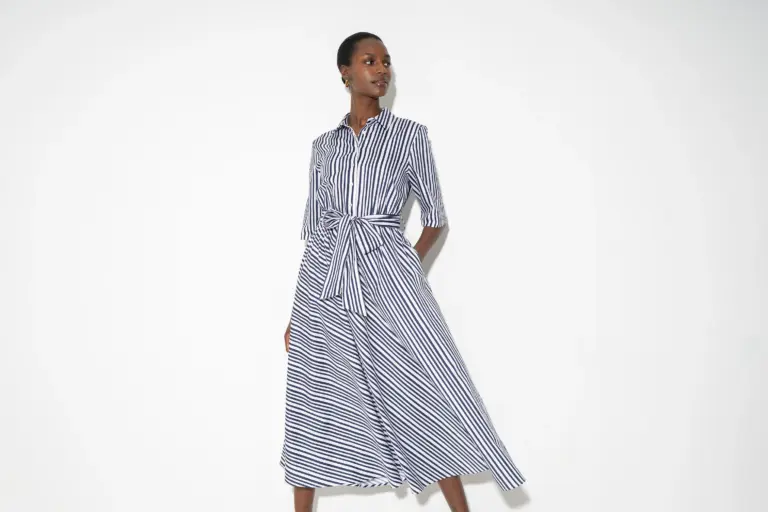 Linen DressesShop Our Favourite Linen Button Through Midi Dresses

 Linen DressesLinen Button Through Summer Dresses We’re Adding to Basket

 Leather DressesOur Kind of Leather Button Through Evening Dresses

 Lace DressesLace Button Through Evening Dresses That Flatter Without Trying

 Lace DressesThe Prettiest Lace Button Through Floral Dresses Around Right Now

 Lace DressesLace Button Through Midi Dresses We Rate


