A good pleated dress has that slight crunch to it when you pick it up off the hanger, a sort of papery resistance before it settles and falls into those neat vertical lines. You can feel straight away whether the pleats are sewn in to last or just pressed in for the photograph on the hanger, because the cheap ones go soft and flat the second they touch a warm hand. The ones worth having almost spring back.
Size these by your shoulders and bust rather than your waist, because the pleats will do a lot of forgiving lower down and you don't want to end up swimming in fabric to accommodate a fit through the chest that was never right to begin with. Watch the waist seam on any dress that claims to be fitted there, since pleats can hide a seam that sits two inches too high or too low on you, and you won't notice until you've worn it all day and it's bunched up under your ribs. If there's a tie or elastic waist, try sitting down in the changing room, not just standing in front of the mirror, because that's when a badly placed seam makes itself known. Hemlines matter too. A pleated skirt that hits mid calf on the model can hit your ankle if you're under five foot four, and the pleats make that length read even heavier.
The difference between a dress that earns a second season and one that dies after a few washes is almost entirely about how the pleats were set. Heat pressed pleats on a synthetic blend tend to hold their shape through a cool wash and a gentle tumble, whereas pleats on a cheaper viscose can drop out within a month, leaving you with what is basically a shapeless tent with memory of better days. Check the stitching at the waistband where all those folds gather, because that's the stress point, and loose threads there are an early warning. A lined skirt section is usually a good sign, since it stops the pleats clinging to tights in a way that looks faintly tragic by lunchtime.
Where this shape lets you down is anywhere you need to move fast or sit for hours in a tight space. Pleats don't love a packed train or a long car journey, they crease into the wrong places and need a shake out before you're seen in public again. They're also not kind if you're pear shaped and choosing a style that pleats from the natural waist outward, since that can add width exactly where you don't want it.
The best ones move when you walk, a proper swing rather than a stiff sway, and that movement alone makes getting dressed feel like less of a chore.

 Yellow DressesYellow Pleated Floral Dresses You’ll Reach for First

 White DressesA Closer Look at the Best White Pleated Denim Dresses

 White DressesThe White Pleated Evening Dresses Worth Planning an Outfit Around

 White DressesWhite Pleated Floral Dresses Worth a Closer Look

 White DressesWhite Pleated Maxi Dresses That Flatter Without Trying

 White DressesWhite Pleated Midi Dresses We Love Right Now

 White DressesWhite Pleated Mini Dresses Worth a Closer Look

 Shirt DressesWhite Pleated Shirt Dresses With Real Wardrobe Staying Power

 White DressesThe White Pleated Summer Dresses We’d Wear AnywhereAlso worth a lookMidi DressesI used to think midi dresses were what you wore when you'd given up on deciding whether to…See the collections →

 Velvet DressesVelvet Pleated Evening Dresses Worth a Closer Look

 Velvet DressesFinding the Best Velvet Pleated Maxi Dresses

 Velvet DressesVelvet Pleated Midi Dresses: Our Honest Shortlist

 Velvet DressesThe Velvet Pleated One Shoulder Dresses Shortlist

 Midi DressesTulle Pleated Midi Dresses You Can Dress Up or Down

 Silk DressesOur Shortlist of Silk Pleated Evening Dresses

 Silk DressesSilk Pleated Midi Dresses Actually Worth Buying

 Sequin DressesEffortless Sequin Pleated Party Dresses We Love

 Sequin DressesSequin Pleated Maxi Dresses: The Ones Worth Your MoneyAlso worth a lookMaxi DressesA maxi dress is only as good as its hem, because that is the part that catches wind,…See the collections →

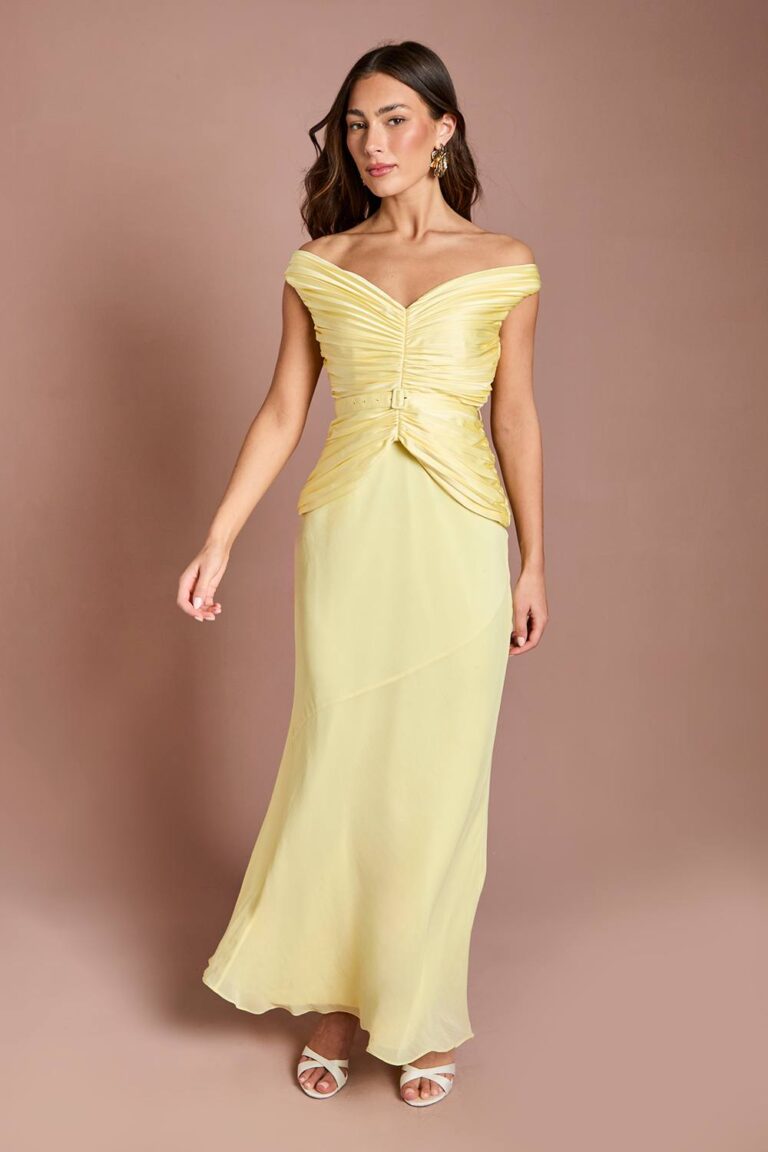 Bardot DressesThe Satin Pleated Bardot Dresses We Keep Going Back To

 Bridesmaid DressesSatin Pleated Bridesmaid Dresses That Have Caught Our Eye

 Cocktail DressesSatin Pleated Cocktail Dresses for Your Next Night Out

 Satin DressesSatin Pleated Evening Dresses We’d Recommend to a Friend

 Satin DressesOur Favourite Satin Pleated Floral Dresses

 Halter DressesOur Top Satin Pleated Halter Dresses Right Now

 Satin DressesSatin Pleated Maxi Dresses With Real Wardrobe Staying Power

 Satin DressesOur Top Satin Pleated Midi Dresses Right Now

 Off Shoulder DressesOur Top Satin Pleated Off Shoulder Dresses Right NowAlso worth a lookMini DressesThe thing nobody mentions about a mini dress is what happens to the hem after the third wash and the fifth wear.See the collections →

 One Shoulder DressesSatin Pleated One Shoulder Dresses We’d Happily Wear on Repeat

 Party DressesSatin Pleated Party Dresses for When You’ve Got Somewhere to Be

 Summer DressesSatin Pleated Summer Dresses We Can’t Stop Looking At

 Wedding Guest DressesSatin Pleated Wedding Guest Dresses: The Ones Worth Your Money

 Sage DressesSage Pleated Off Shoulder Dresses That Have Caught Our Eye

 Sage DressesSage Pleated Wedding Guest Dresses That Always Get Compliments

 Sage DressesSage Pleated Evening Dresses on Our Radar

 Sage DressesOur Edit of the Best Sage Pleated Lace Dresses


