The first one I owned was a jersey wrap dress from a supermarket clothing rail, bought in a rush for a wedding I had three days to prepare for. It taught me that a wrap dress in cheap jersey stretches out at the tie within a month and never quite snaps back, so by the second wear the whole thing sits an inch lower than it should.
Plus size dresses as a category cover such different jobs that it's worth being honest about where they fall short. A rigid cotton shirt dress, the kind with a stiff collar and structured bodice, can look brilliant on a smaller frame and turn into a box on a bigger one if the brand has simply graded the pattern up rather than rethinking the shaping around the bust and hips. Bodycon in anything without real stretch will show every seam line and every bit of static cling, and if you're sitting at a desk or in a car for long stretches, a dress with no give at the waist will remind you of that fact every twenty minutes. Anything with a fitted waistband and no side seam allowance is also a bad idea if your measurements shift through the month, because there's no room to breathe into it.
Before I buy now, I check three things on the product page that tell me more than the photos do. First, the fabric content, because a dress that's mostly viscose with a touch of elastane behaves completely differently to one that's polyester through and through, the viscose drapes and breathes, the polyester clings in summer and holds smell. Second, where the zip sits and how long it is, because a side zip that only runs to the hip on a fitted dress means getting it on is a two person job, while one that runs further gives you room to actually move your arms getting it over your head. Third, the lining, particularly on anything in a thinner fabric, since an unlined dress in a pale colour in direct light becomes a different dress entirely. The ones that disappoint are usually let down by flat, unfinished seams that start to fray after two washes, buttons that are glued rather than properly sewn through, and hems that were clearly cut straight across a pattern without accounting for how the fabric falls differently over curves. A well made one has a bit of weight to the fabric, proper flat felled or French seams, and darts placed where your body actually changes shape rather than where the pattern assumes it does.
If a dress has a defined waist, try sitting down in the fitting room before you decide, not just standing in front of the mirror.

 Pink DressesPlus Size Pink Summer Dresses We’ve Been Saving

 Tiered DressesPlus Size Tiered Dresses You’ll Want to Live In

 Prom DressesPlus Size Prom Dresses We Can’t Stop Looking At

 Satin DressesThe Plus Size Satin Evening Dresses We Keep Going Back To

 Sequin DressesPlus Size Sequin Maxi Dresses We Love Right Now

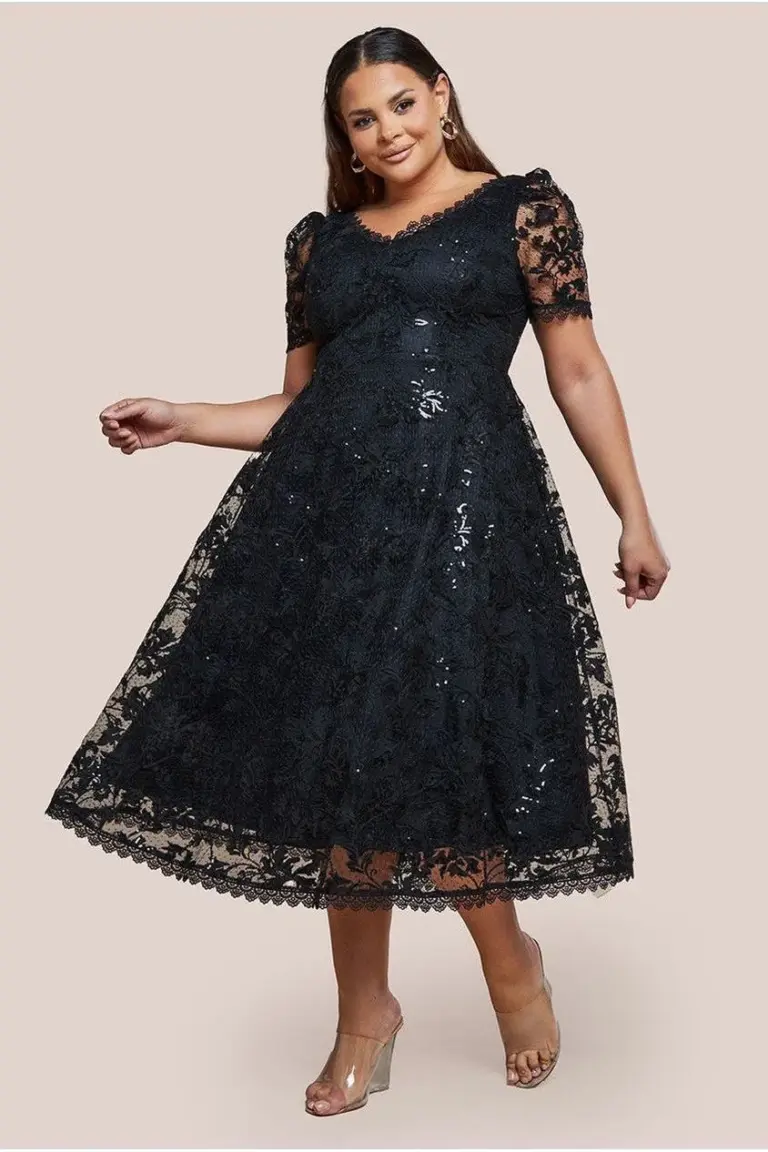 Sequin DressesPlus Size Sequin Midi Dresses We’d Happily Wear on Repeat

 Sequin DressesCurve Friendly Picks: Plus Size Sequin Off Shoulder Dresses

 Sequin DressesCurve Friendly Picks: Plus Size Sequin Party Dresses

 Prom DressesPlus Size Sequin Prom Dresses We’re Adding to BasketAlso worth a lookMidi DressesI used to think midi dresses were what you wore when you'd given up on deciding whether to…See the collections →

 Shift DressesEffortless Plus Size Shift Dresses We Love

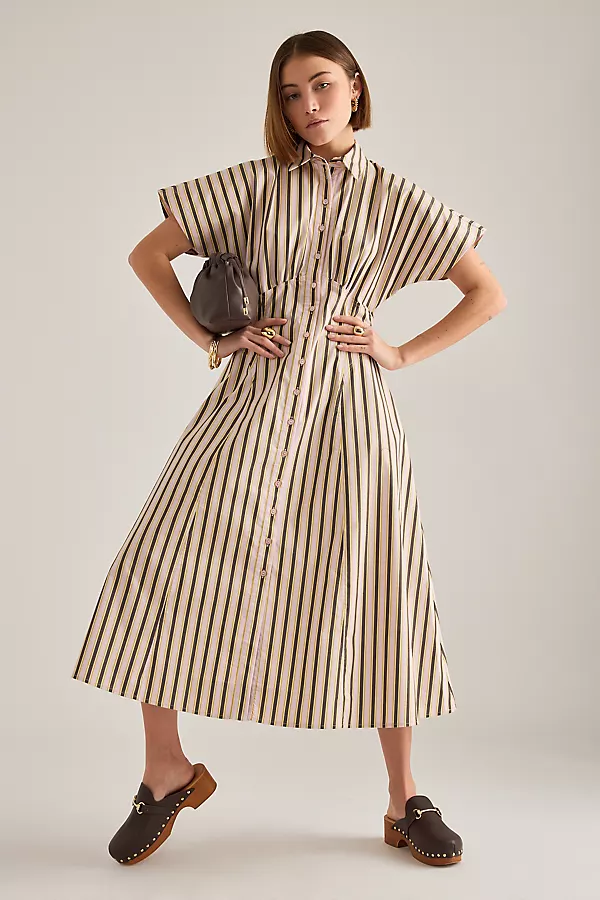 Shirt DressesEffortless Plus Size Shirt Dresses We Love

 Slip DressesPlus Size Slip Dresses We Rate

 Strappy DressesPlus Size Strappy Evening Dresses Picked by Us

 Strappy DressesPlus Size Strappy Satin Dresses That Always Get Compliments

 Summer DressesPlus Size Strappy Summer Dresses That Flatter Without Trying

 Slip DressesEffortless Plus Size Party Slip Dresses We Love

 Wedding Guest DressesEffortless Plus Size Strappy Wedding Guest Dresses We Love

 Pink DressesPlus Size Pink Maxi Dresses We Love Right NowAlso worth a lookMaxi DressesA maxi dress is only as good as its hem, because that is the part that catches wind,…See the collections →

 Work DressesThe Prettiest Plus Size Strappy Work Dresses Around Right Now

 Jersey DressesOur Go To Plus Size Jersey Dresses

 Off Shoulder DressesEffortless Plus Size Maxi Off Shoulder Dresses We Love

 Occasion DressesEffortless Plus Size Occasion Lace Dresses We Love

 Jersey DressesWhere to Find the Best Plus Size Jersey Maxi Dresses

 Party DressesPlus Size Maxi Party Dresses: The Edit

 Occasion DressesPlus Size Occasion Maxi Dresses That Do All the Work for You

 A Line DressesHandpicked Plus Size Lace A Line Dresses We Keep Coming Back To

 Prom DressesCurve Friendly Picks: Plus Size Maxi Prom DressesAlso worth a lookMini DressesThe thing nobody mentions about a mini dress is what happens to the hem after the third wash and the fifth wear.See the collections →

 Occasion DressesPlus Size Occasion Midi Dresses Picked by Us

 Lace DressesPlus Size Lace Dresses We Love Right Now

 Sequin DressesPlus Size Maxi Sequin Dresses for When You’ve Got Somewhere to Be

 Occasion DressesThe Plus Size Occasion Off Shoulder Dresses on Our Wishlist

 Lace DressesPlus Size Lace Evening Dresses You’ll Want to Live In

 Wedding Guest DressesPlus Size Maxi Wedding Guest Dresses We Can’t Stop Looking At

 Occasion DressesPlus Size Occasion Satin Dresses That Flatter Without Trying

 Lace DressesPlus Size Lace Maxi Dresses Worth a Closer Look


