I left tiered dresses alone for years, convinced they only worked on women with a particular shape of hip and a particular amount of time to spend getting ready. What changed was a plain cotton one I bought for a holiday almost as an afterthought, thrown on for an early flight, and it turned out to be the only thing in the case that didn't need ironing or thinking about.
They are not a dress for every body or every occasion, and I think it is worth saying that plainly. If you are short, a dress with three or four tiers can cut you into horizontal slices and make legs disappear, especially if the tiers are even widths rather than graduated. Anything with a fitted waist and heavy tiering below it can also add bulk exactly where you might not want it, and in cold weather the whole silhouette can feel like wearing a tent, there is often not much structure to hold heat in or keep wind out, so it is a warm weather shape more than an autumn one. For a formal office or anything that needs a sharp line, I would reach for something else entirely.
Where tiered dresses earn their place is in the fabric and the stitching, because that is where the cheap ones fall apart, sometimes within a single wash. A good one uses a soft, slightly weighty cotton or viscose that drapes rather than stands away from the body, and the seams between tiers are gathered evenly, not bunched in one spot and flat in another. Cheap versions often use a crisp, thin fabric that holds its shape stiffly and looks papery by the second wear, and the gathering is machine bunched so unevenly that one side of the dress sits higher than the other. Check the hem too, a rolled or double stitched hem on each tier will survive a season of sitting down and standing up far better than a raw overlocked edge, which frays quickly.
For fit, go by your bust and shoulders rather than your waist, since most tiered dresses are loose through the middle and the sizing on the label often reflects the widest part of the body it is designed to skim over, not hug. Try sitting down in it before you commit, because a dress that looks fine standing can ride up badly or gape at the neckline once you are seated, and check the armholes, since a lot of tiered styles are cut wide there and show more than intended on a windy day or when you reach for something on a high shelf.
Over time, a well made tiered dress softens rather than wears out. The fabric relaxes, the gathers settle into a shape that is slightly your own, and a few washes in, it stops looking like something new and starts looking like something you have actually lived in, which is exactly the point of the thing.

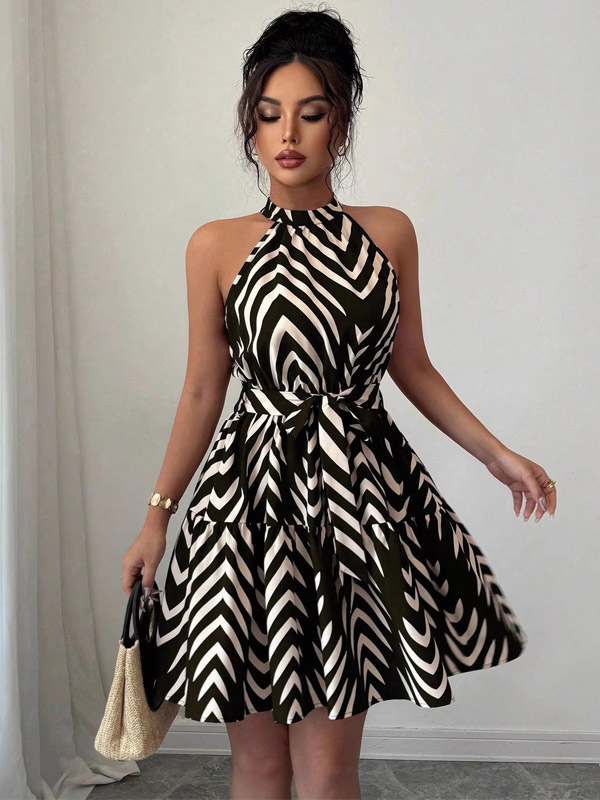 Printed DressesZebra Print Tiered Dresses That Flatter Without Trying

 Yellow DressesYellow Tiered Dresses You’ll Want to Live In

 Yellow DressesYellow Tiered Floral Dresses You Can Dress Up or Down

 Yellow DressesYellow Tiered Maxi Dresses That Make Getting Dressed Easy

 Yellow DressesYellow Tiered Midi Dresses Actually Worth Buying

 Yellow DressesYellow Tiered Summer Dresses: The Edit

 Yellow DressesThe Yellow Maxi Tiered Dresses We’re Eyeing Up This Season

 Yellow DressesYellow Midi Tiered Dresses We Can’t Stop Looking At

 Yellow DressesShop the Edit: Yellow Floral Tiered DressesAlso worth a lookMidi DressesI used to think midi dresses were what you wore when you'd given up on deciding whether to…See the collections →

 Wrap DressesWrap Maxi Tiered Dresses We’d Buy Again

 Wrap DressesWrap Midi Tiered Dresses: Our Current Favourites

 Wrap DressesWrap Mini Tiered Dresses We’ve Been Saving

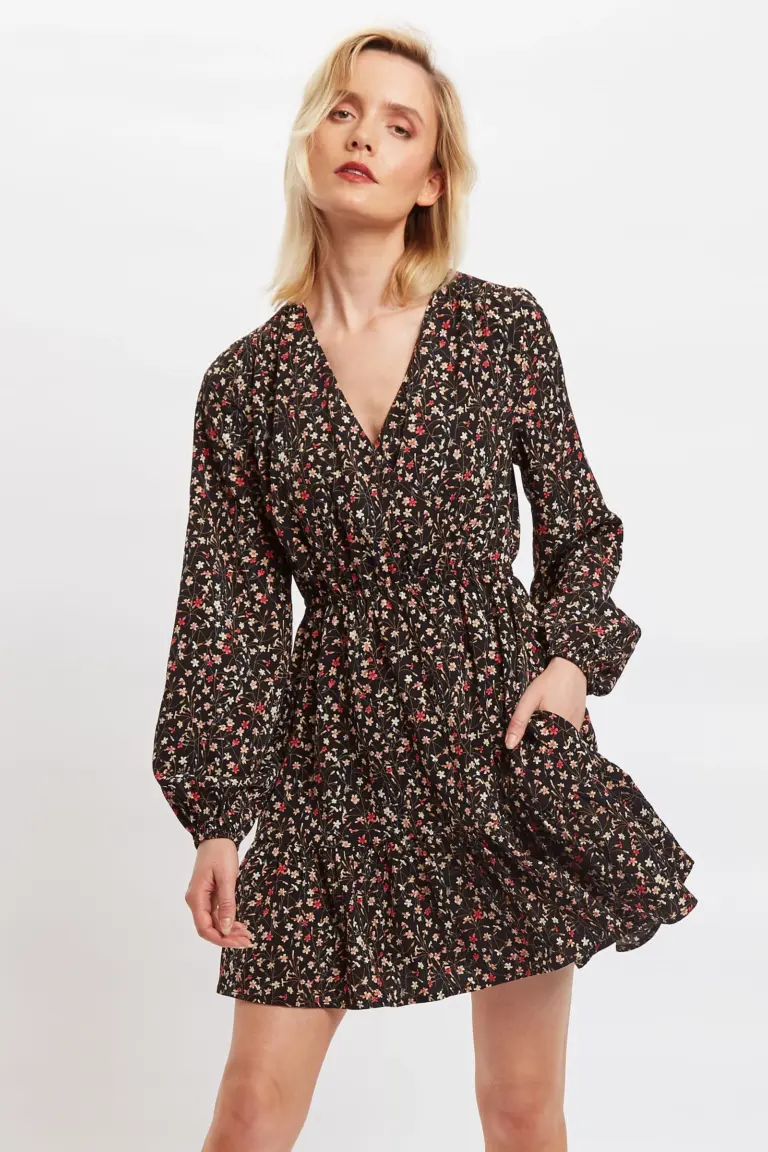 Wrap DressesThe Wrap Tiered Dresses Worth Planning an Outfit Around

 Work DressesThe Work Tiered Dresses Worth Planning an Outfit Around
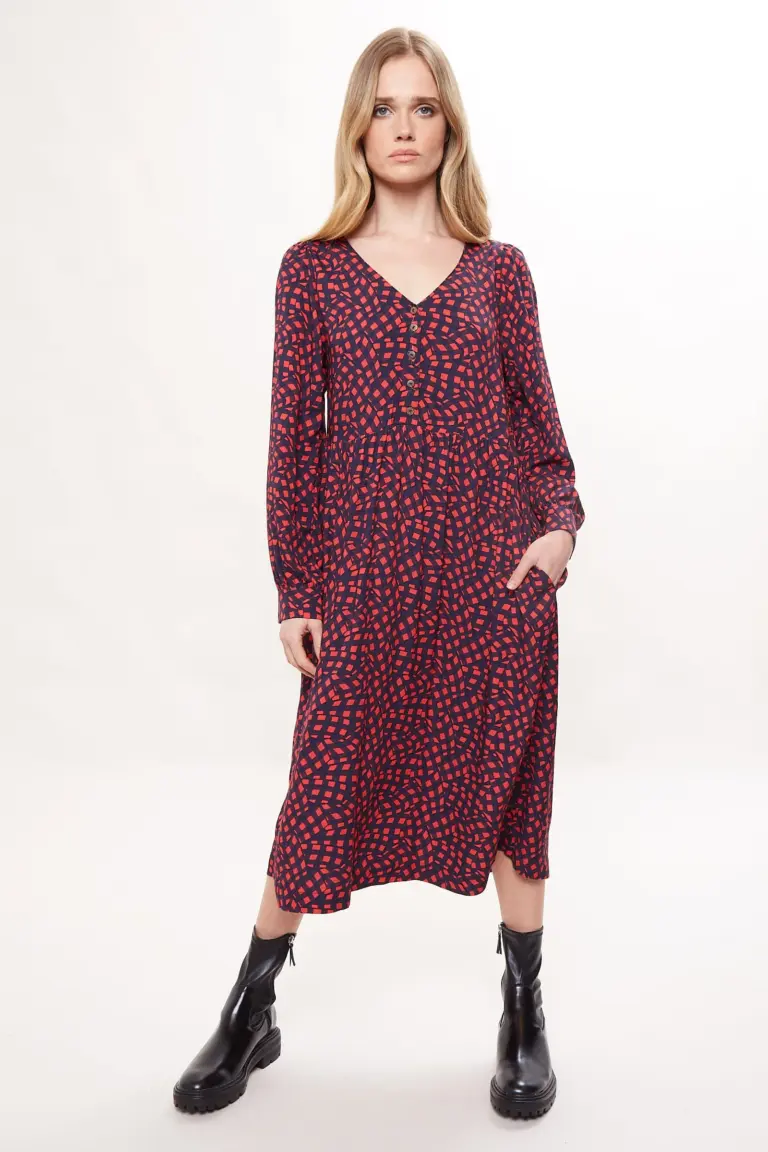
 Winter Tiered Dresses for When You Want to Feel Put Together

 Beach DressesWhite Tiered Beach Dresses We’re Adding to Basket

 White DressesWhite Tiered Denim Dresses We’d Happily Wear on Repeat

 White DressesWhite Tiered Dresses: Our Honest ShortlistAlso worth a lookMaxi DressesA maxi dress is only as good as its hem, because that is the part that catches wind,…See the collections →

 White DressesShop Our Favourite White Tiered Evening Dresses

 White DressesWhite Tiered Floral Dresses: Picks We Stand By

 White DressesWhite Tiered Jersey Dresses We’d Buy Again

 White DressesThe White Tiered Lace Dresses We’re Eyeing Up This Season

 White DressesThe Edit: White Tiered Long Sleeve Dresses

 White DressesWhite Tiered Maxi Dresses That Flatter Without Trying

 White DressesWhite Tiered Midi Dresses You Can Dress Up or Down

 White DressesWhite Tiered Mini Dresses That Tick Every Box

 Polka Dot DressesEffortless White Tiered Polka Dot Dresses We LoveAlso worth a lookMini DressesThe thing nobody mentions about a mini dress is what happens to the hem after the third wash and the fifth wear.See the collections →

 Shirt DressesOur Edit of the Best White Tiered Shirt Dresses

 White DressesWhite Tiered Summer Dresses That Always Get Compliments

 Tie Waist DressesWhite Tie Waist Tiered Dresses Worth Adding to Your Wardrobe

 White DressesShop Our Favourite White Tiered Wrap Dresses

 White DressesThe Best Looking White Tiered A Line Dresses Out There

 Sleeveless DressesOur Pick of the Best White Sleeveless Tiered Dresses
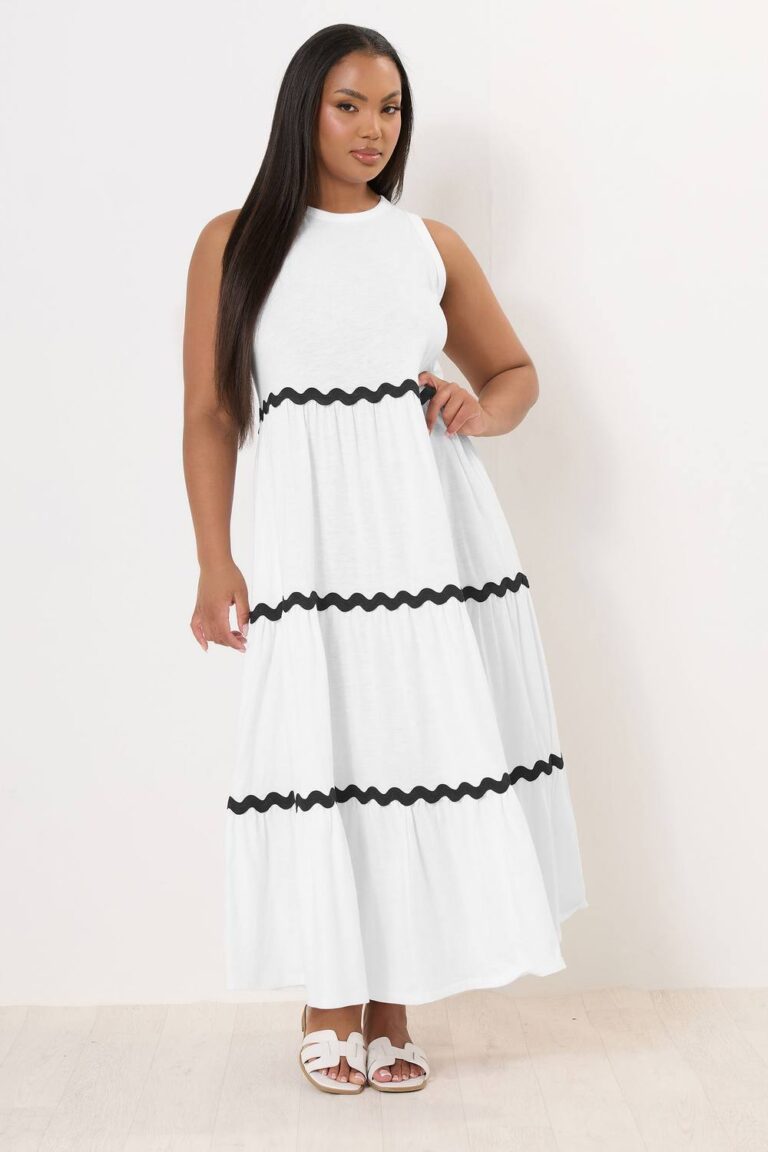
 Smock DressesThe Prettiest White Smocked Tiered Dresses Around Right Now

 Shirred DressesWhite Shirred Tiered Dresses: The Edit


