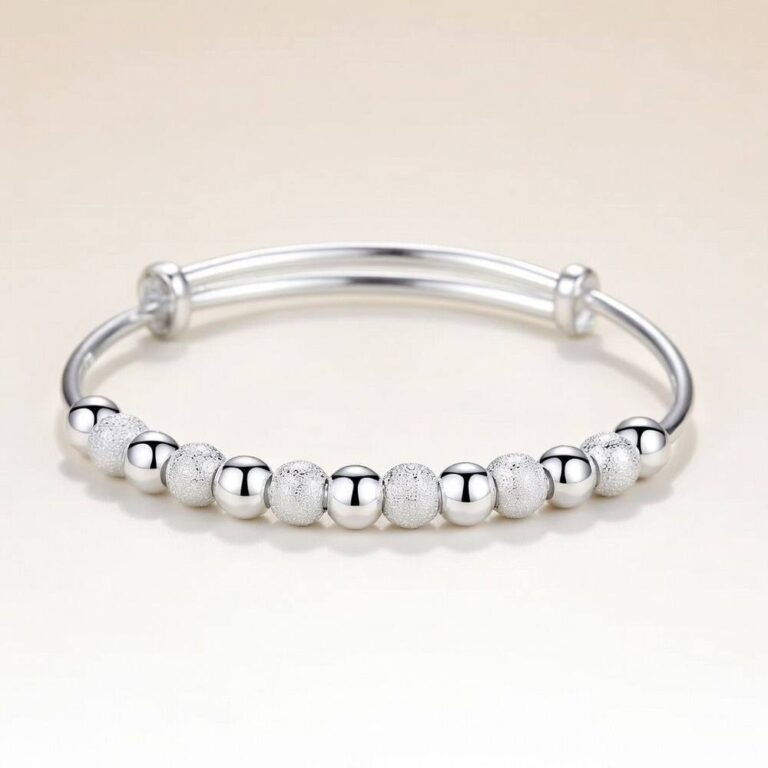
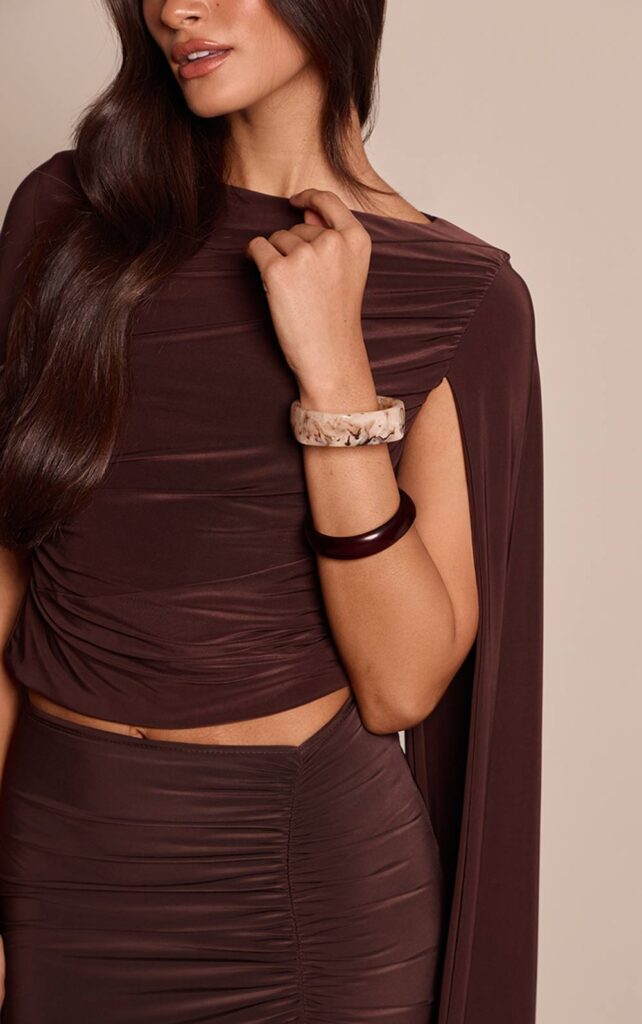
I thought bangles were an all or nothing thing, stack them to the elbow or don't bother, and I spent ages avoiding them because the full arm stack looked a bit much against most of what I own. One on its own, worn plain, changed my mind completely.
If you've got none, start with a single solid band in a width you can actually forget about, something between a pencil and a finger's width, in a plain metal rather than anything stoned or patterned. That one piece will tell you more about whether you like wearing bangles at all than a boxed set of six ever will. The cheap versions tend to be thin, light as a crisp packet, and they ping about on your wrist making a noise that gets old by lunchtime. A better one has a bit of weight to it, sits with a slight thud rather than a rattle, and that weight is often the only real clue in the shop that you're not holding a hollow tube dressed up as solid metal.
Fit matters more than people expect from something with no clasp. Too big and it slides straight over your knuckles and off, which I learned at a bus stop watching mine roll under a bench. Too small and you can't get it on past your hand at all, which sounds obvious until you're stood in a changing area trying to force one over four fingers held together like you're diving. Measure your hand at its widest point, across the knuckles, not your wrist, and look for the internal diameter rather than guessing from how it looks on a model. Some ranges offer a couple of sizes, which is worth seeking out rather than assuming one size covers every wrist.
In the shop, or on the listing, check the opening isn't a sharp or rough edge, run a finger round the inside if you can, because cheap plating often leaves a seam that catches on jumper sleeves and eventually your skin. Check the plating itself, ask what the base metal is, because a lot of bangles are brass or alloy under a gold or silver finish that wears thin at exactly the point it rubs against a watch or another bangle. If it's meant to be worn stacked, buy that way deliberately, two or three in finishes that are close but not identical, rather than matching ones from different cheap batches that somehow never sit level.
A single good one, worn most days, tends to get more use than a drawer full of thin ones bought in a rush.
 White Statement Bangles That Earn Their Place
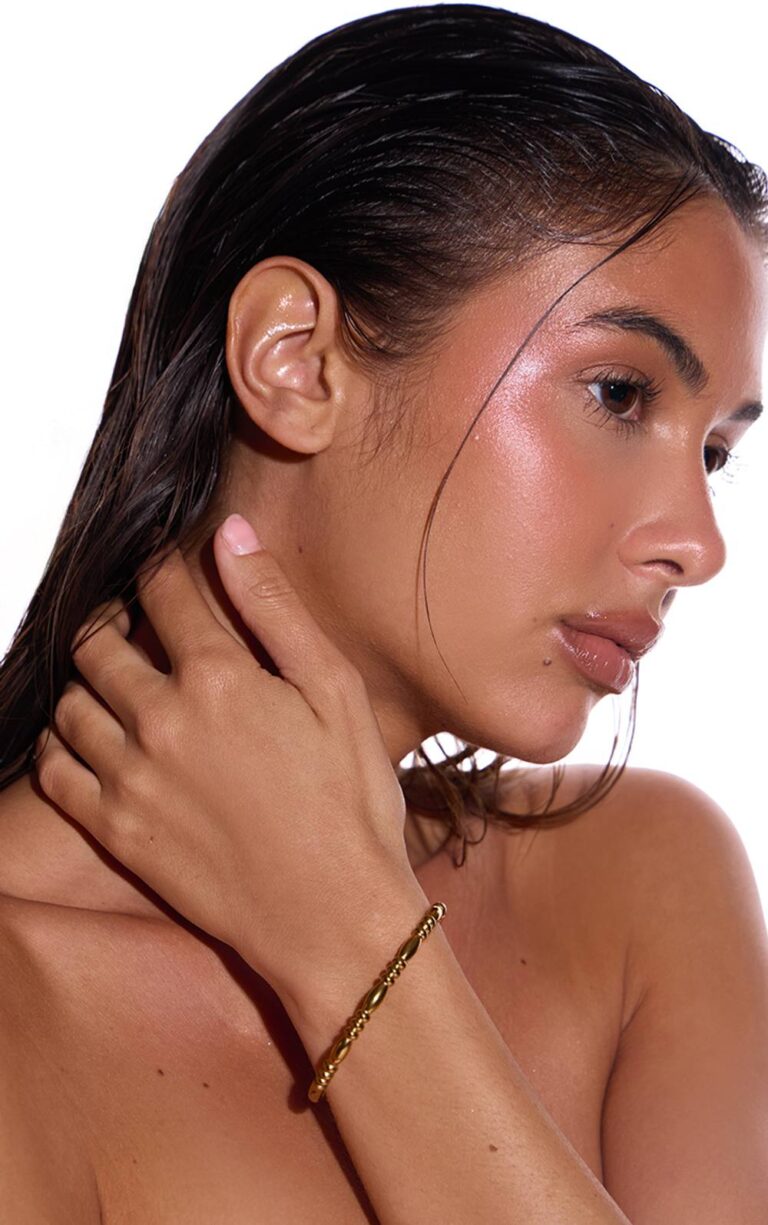 The White Minimalist Bangles We’d Wear Daily

 White Cuff Bangles: Our Honest Shortlist

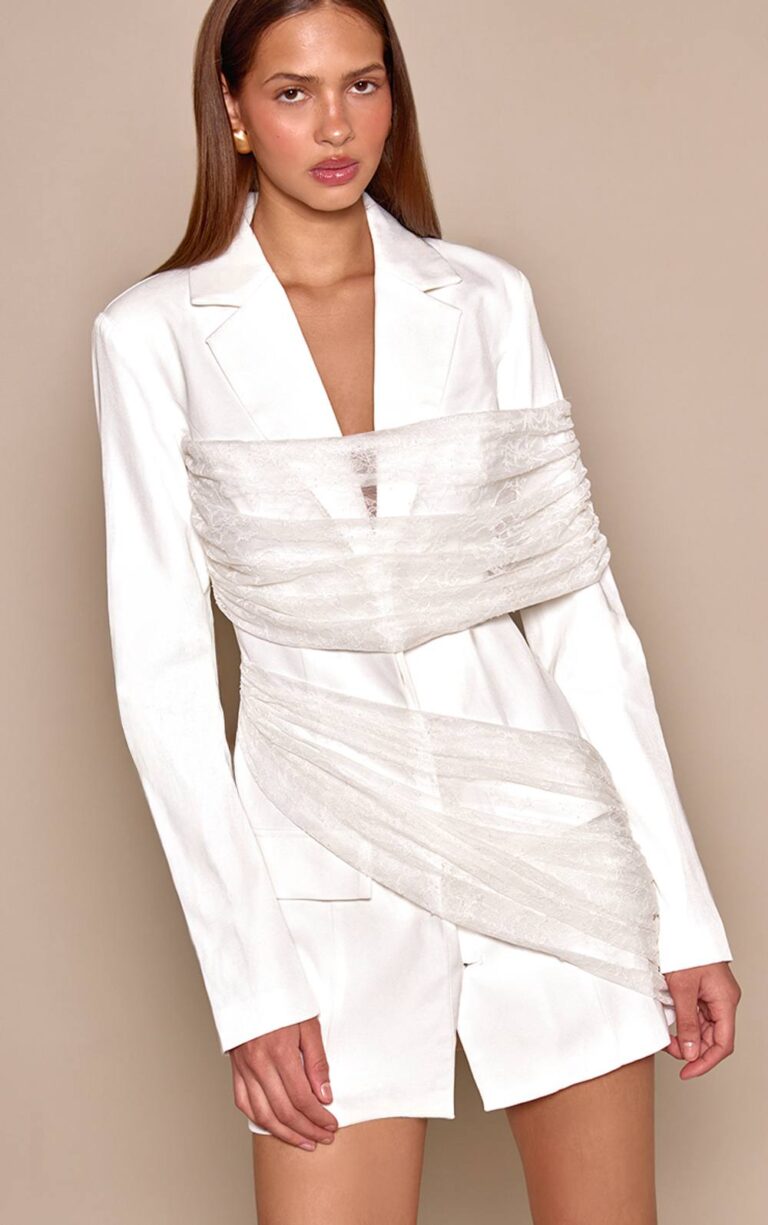 The White Bangles on Our Wishlist

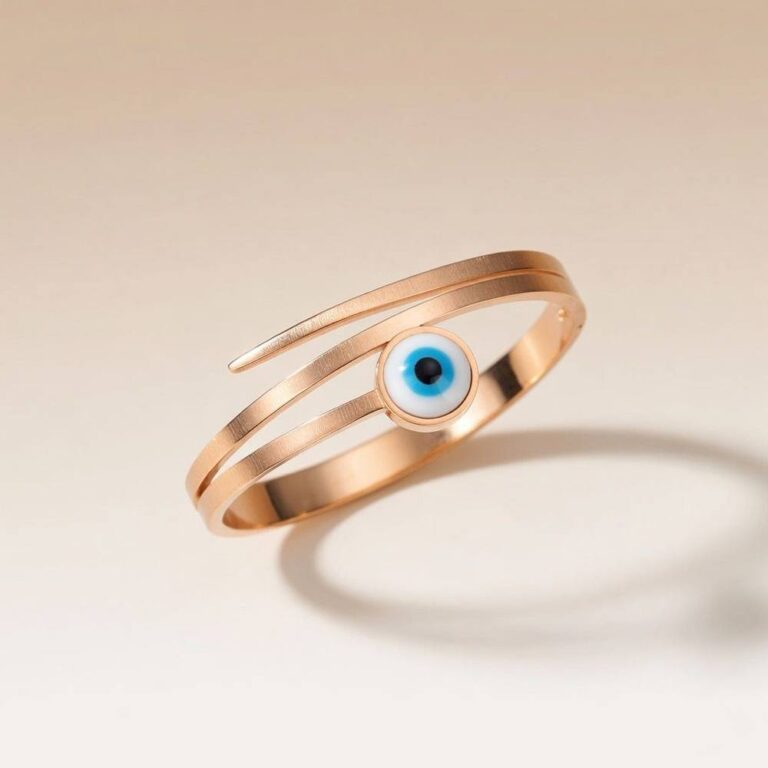 The Waterproof Bangles on Our Wishlist
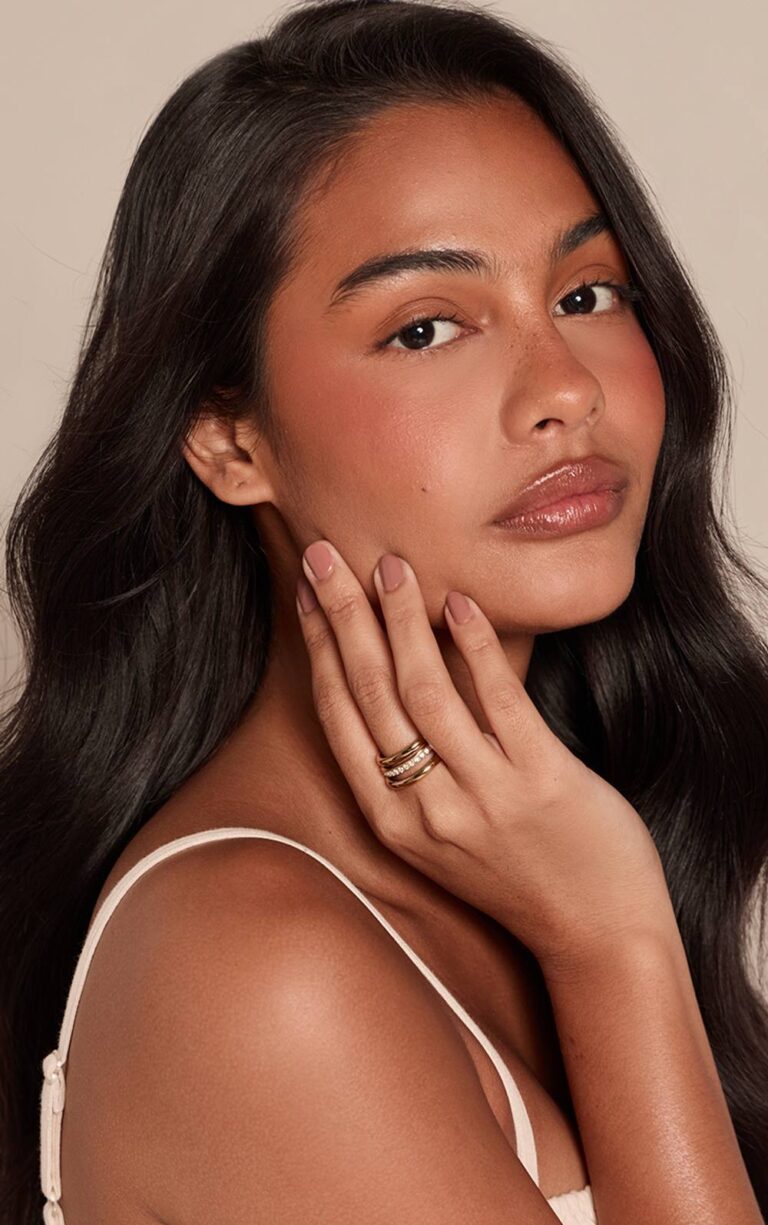
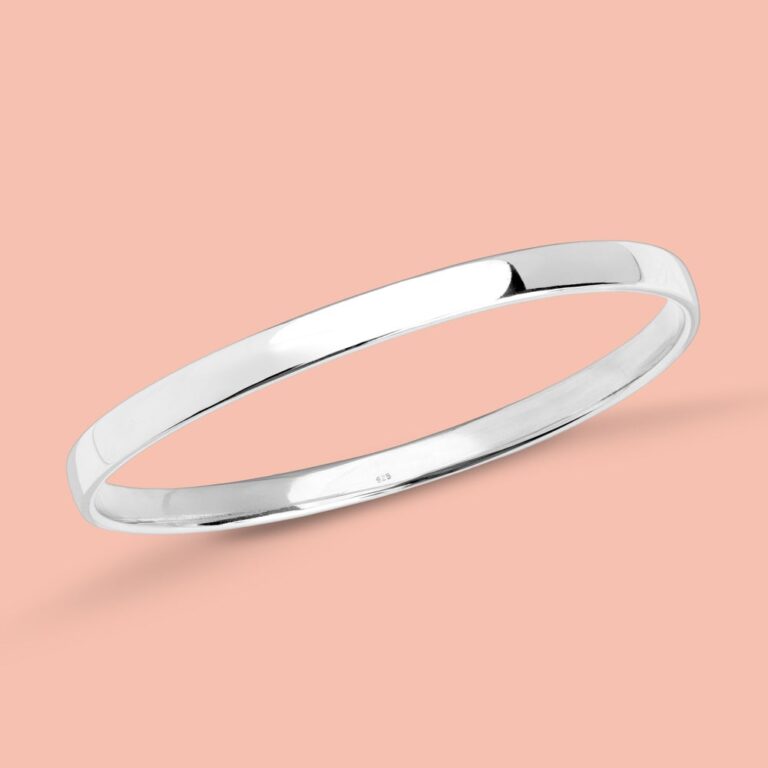 The Only Sterling Silver Personalised Bangles You Need to See

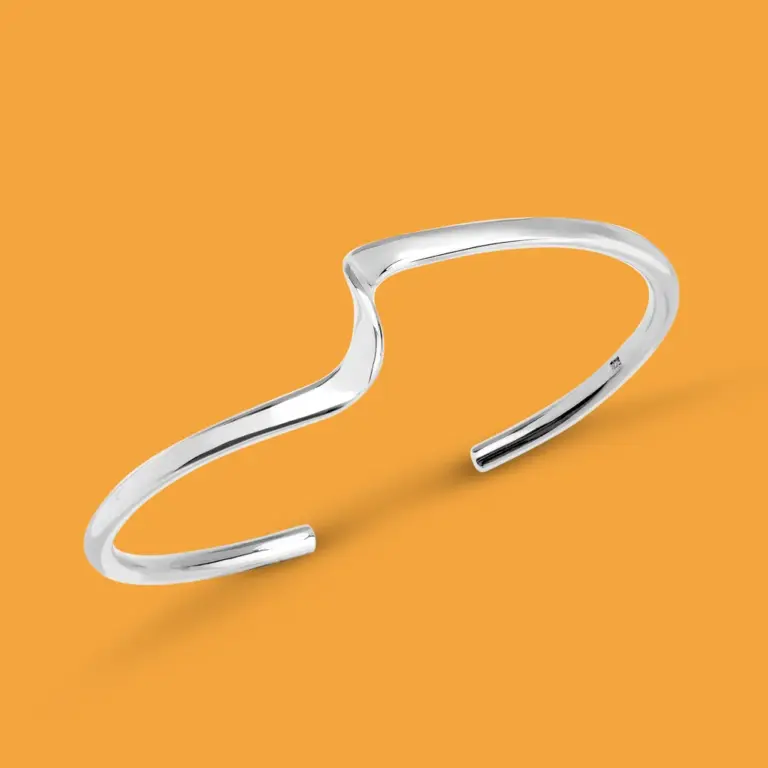 Sterling Silver Statement Bangles: The Edit
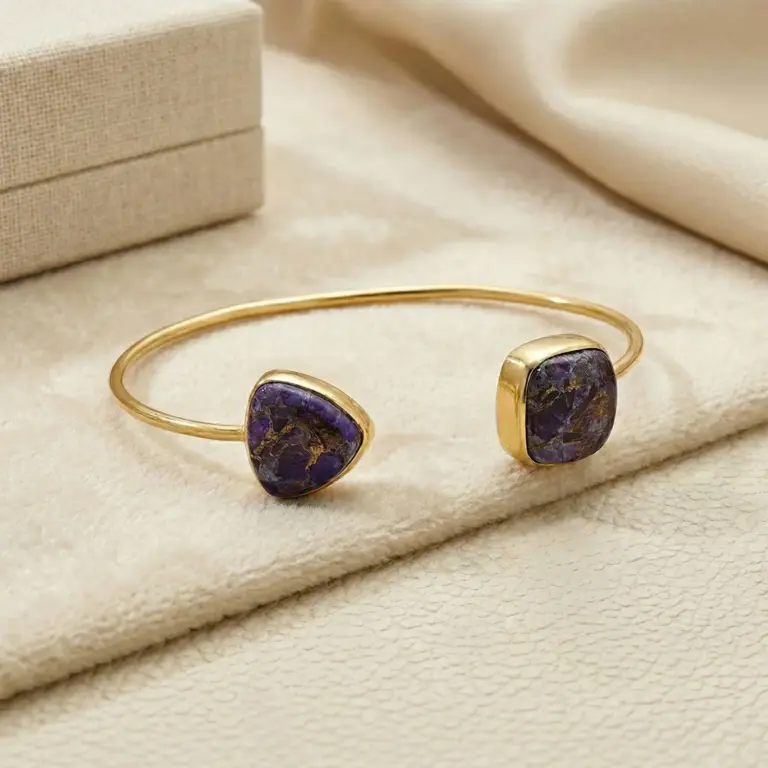
 The Best Sterling Silver Charm Bangles to Shop Now
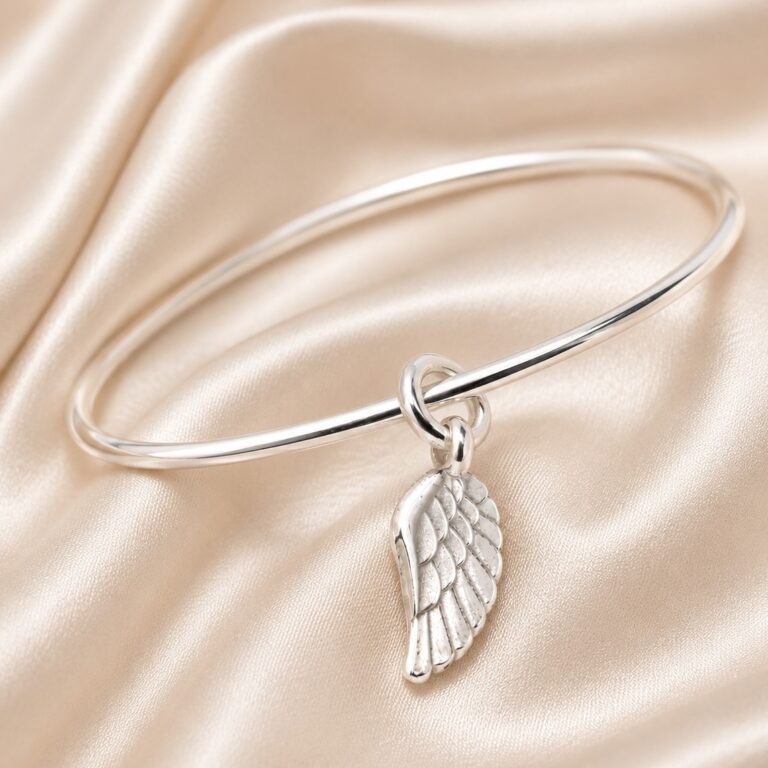
 Sterling Silver Cuff Bangles: What We’d Buy NowAlso worth a lookNecklacesI put on a plain shirt and jeans one morning, nothing special, and the only reason I didn't…See the collections →
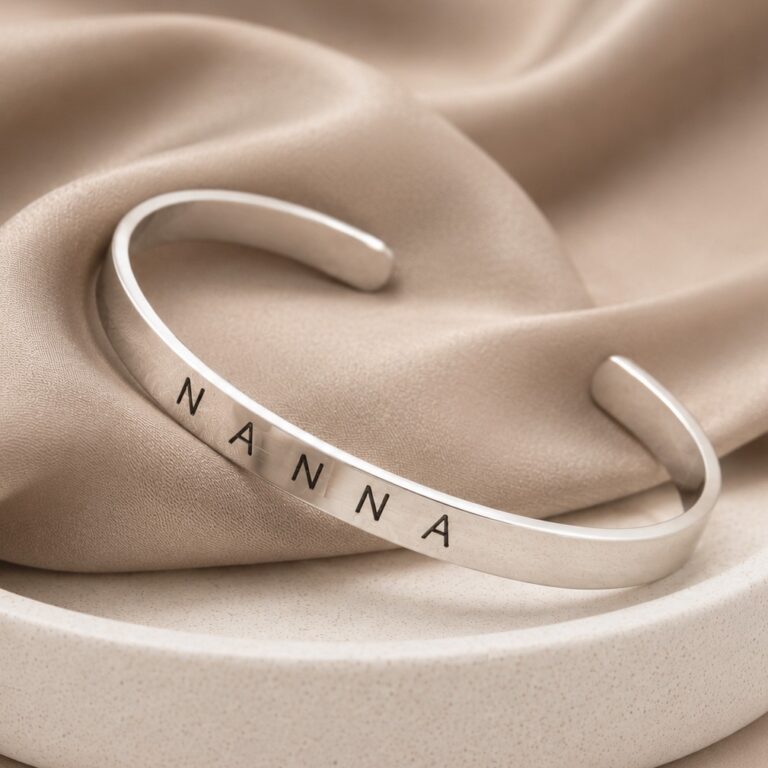
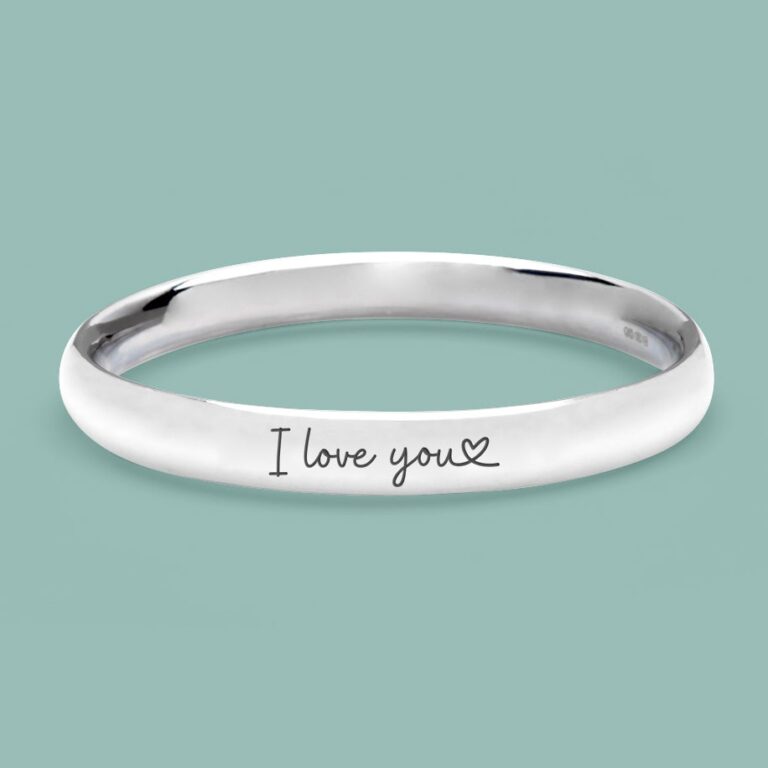 Sterling Silver Heart Bangles We Think You’ll Love

 The Sterling Silver Layered Bangles We’re Eyeing Up This Season
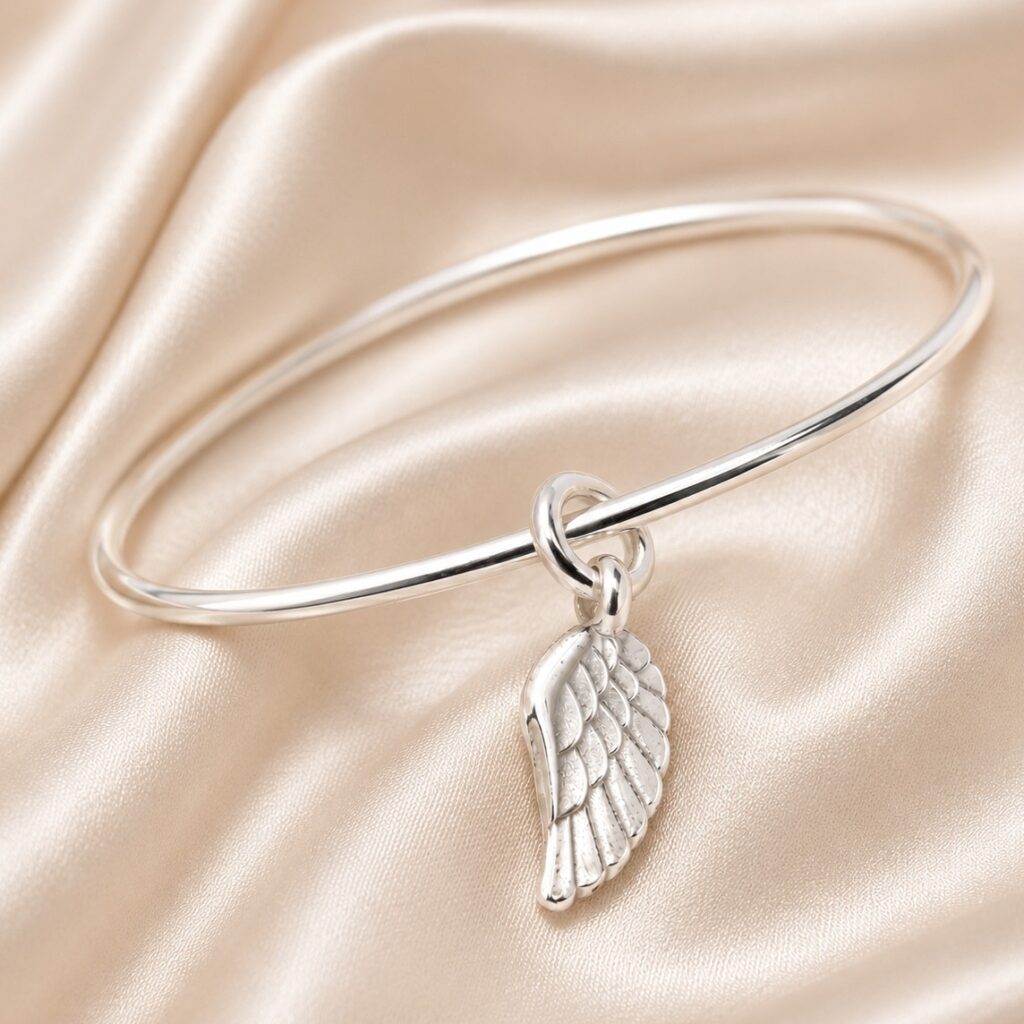
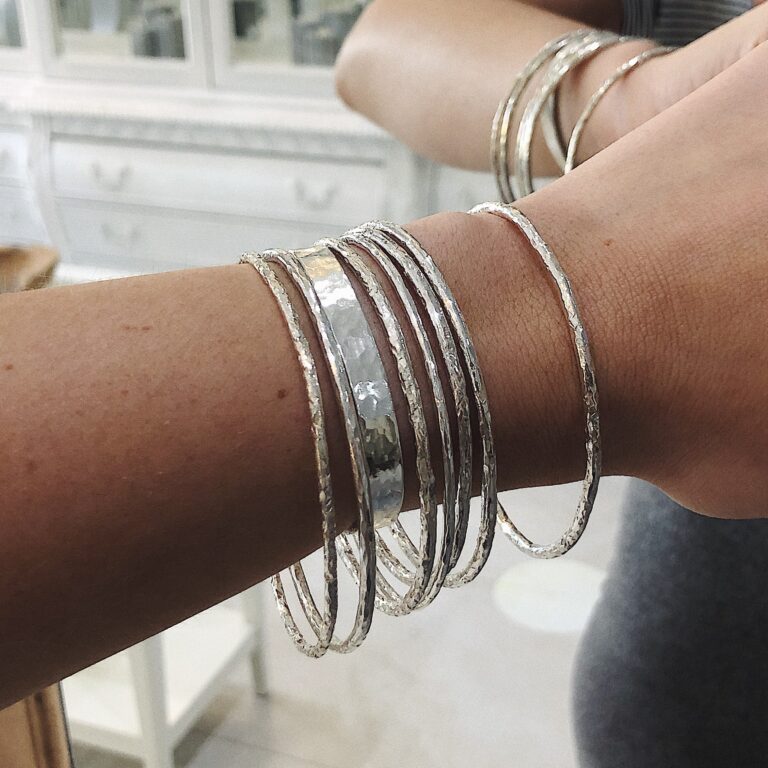 Stacking Bangles Worth Treating Yourself To
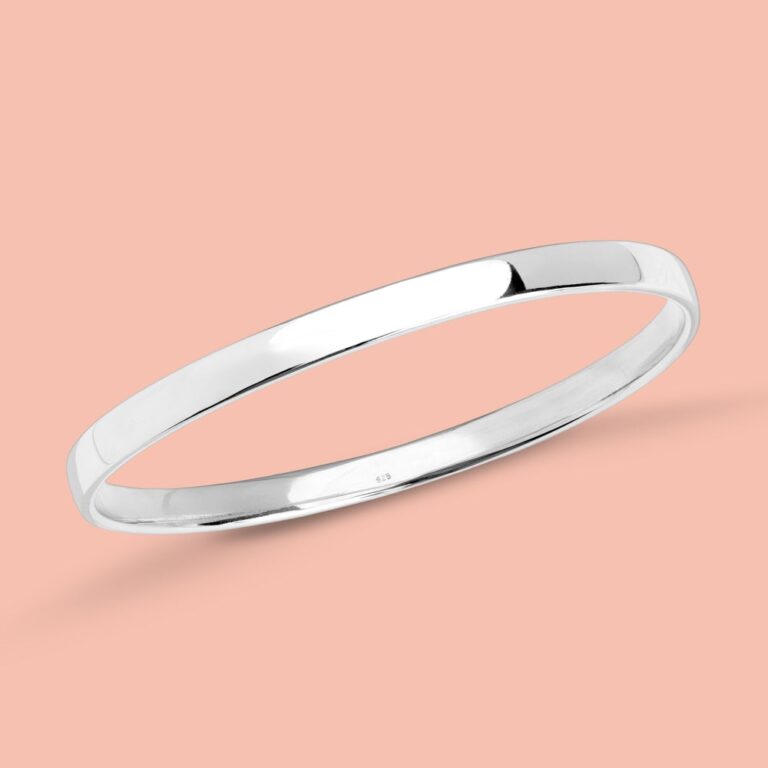
 Our Edit of the Best Stainless Steel Bangles

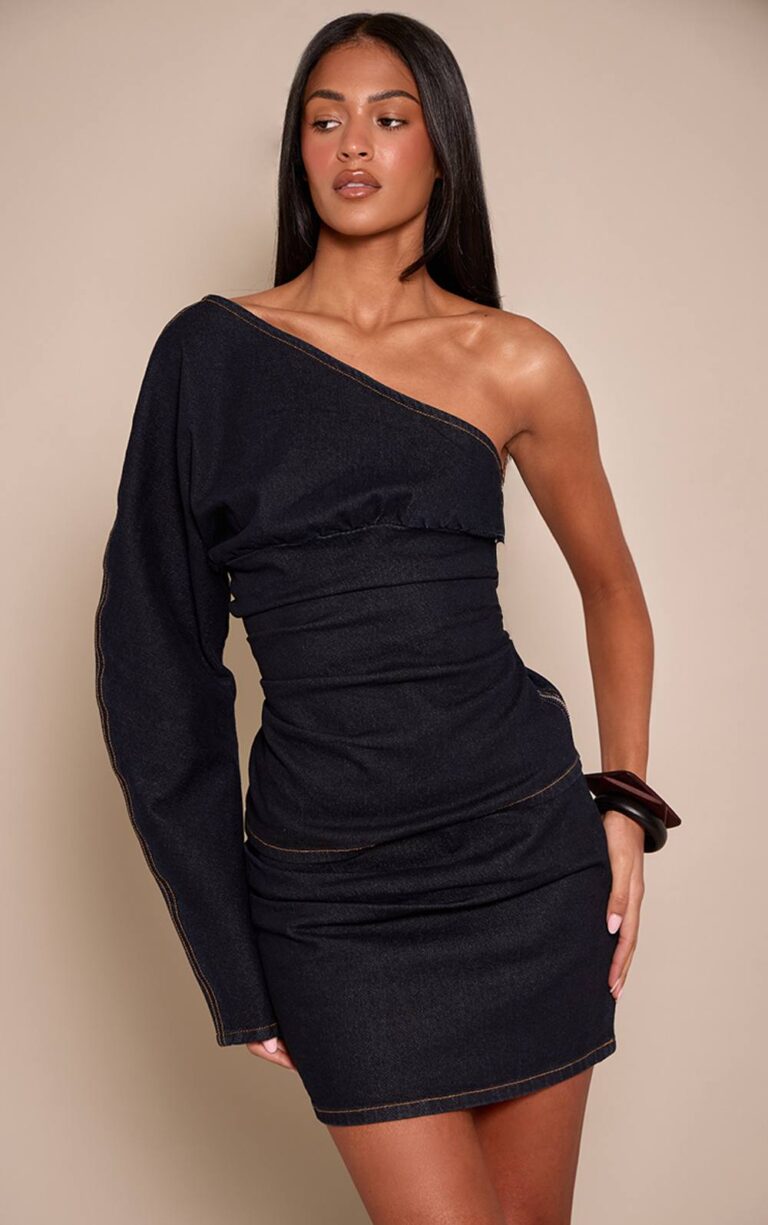 Statement Bangles We Rate
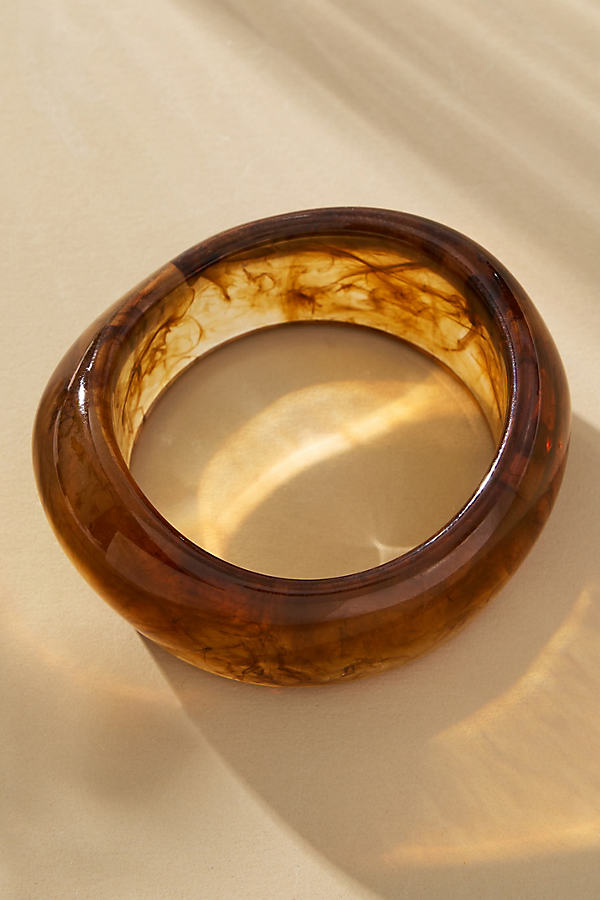
 Sterling Silver Bangles That Elevate Everything
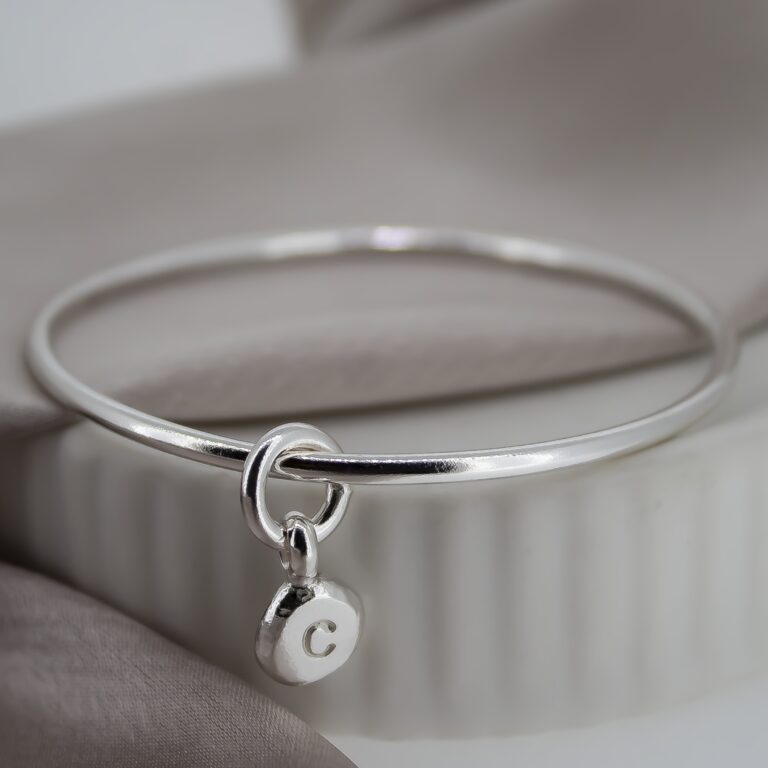
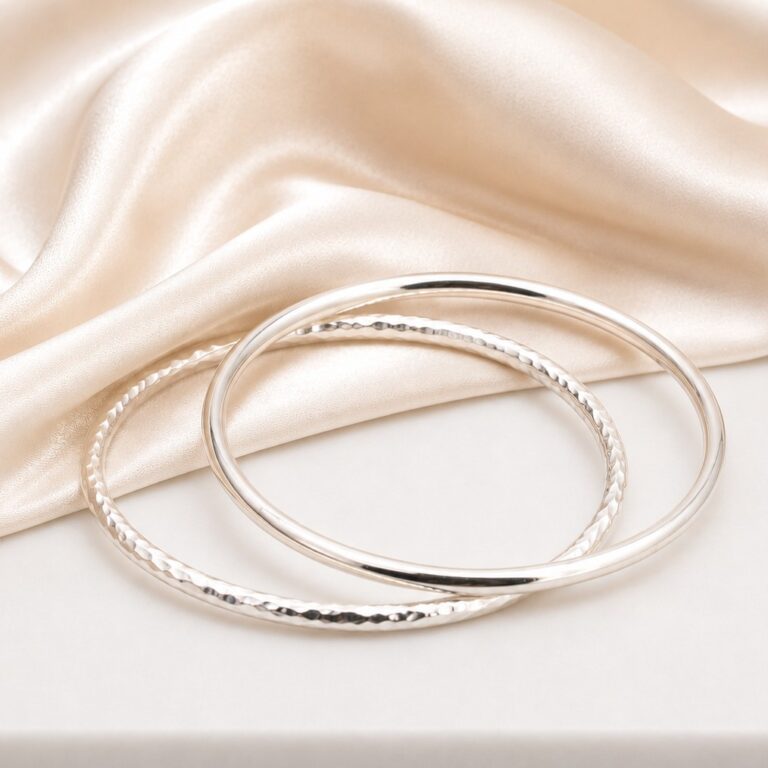 The Silver Stacking Bangles We’d Wear Daily
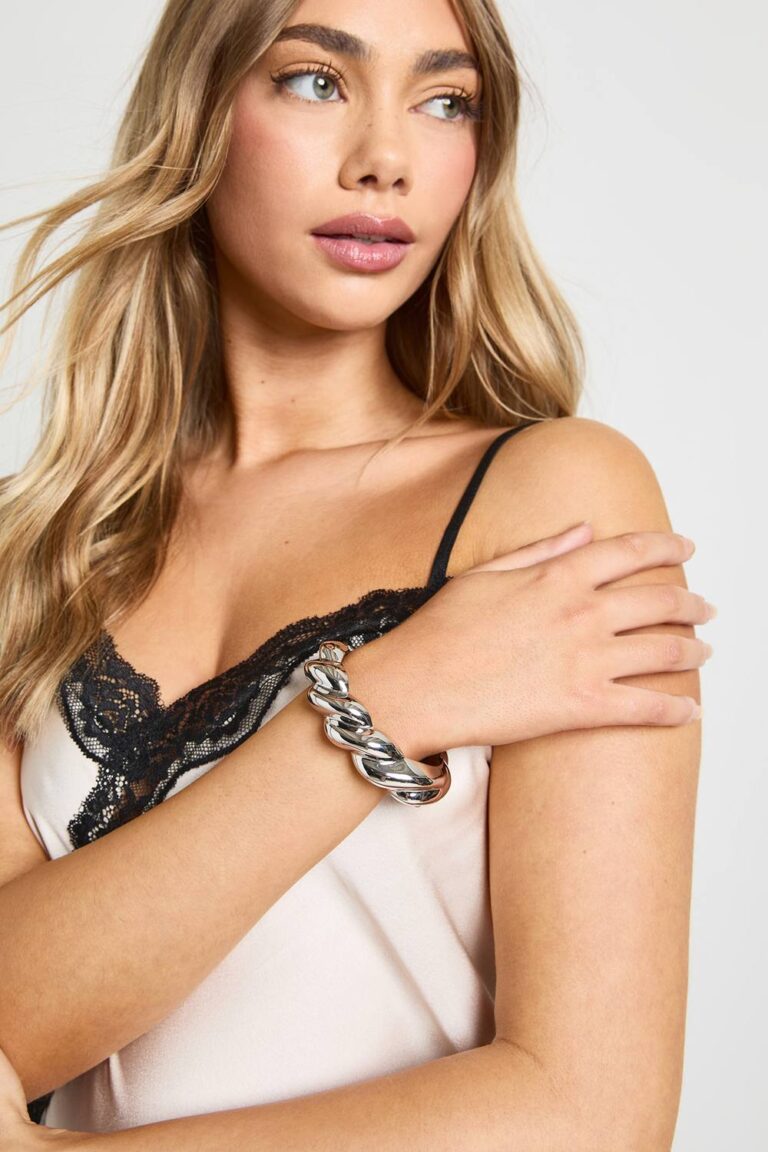
 The Best Looking Silver Stainless Steel Bangles Out There

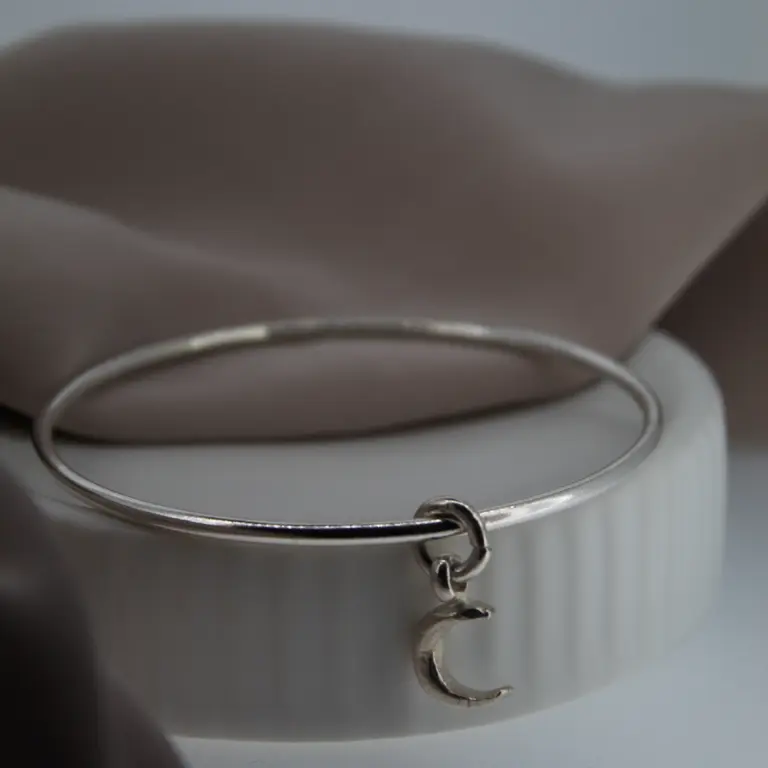 Silver Star Bangles: Picks We Stand ByAlso worth a lookEarringsThere's a particular kind of week, the one where every meeting runs long and you haven't washed your…See the collections →

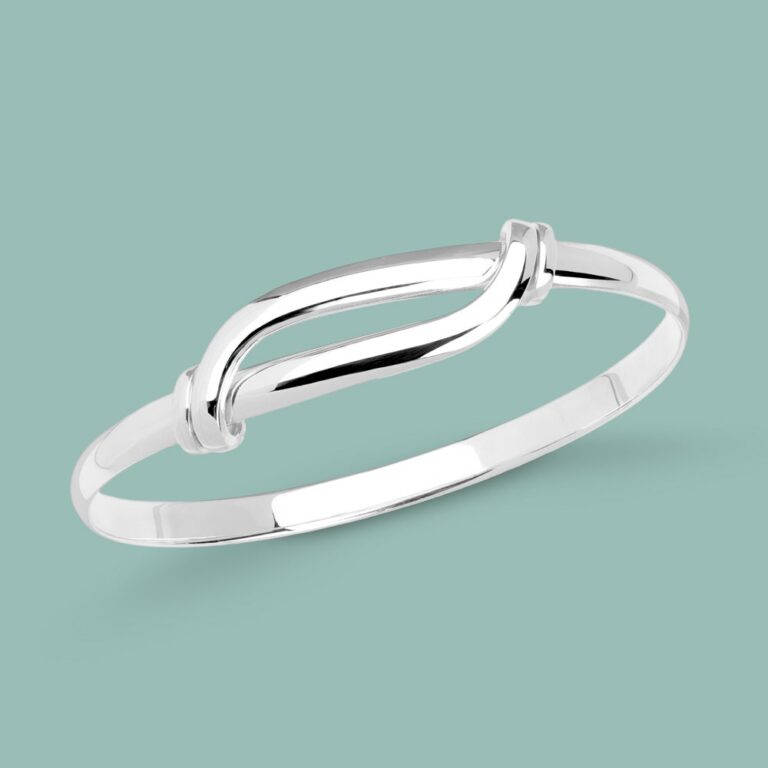 Silver Statement Bangles We Can’t Stop Looking At
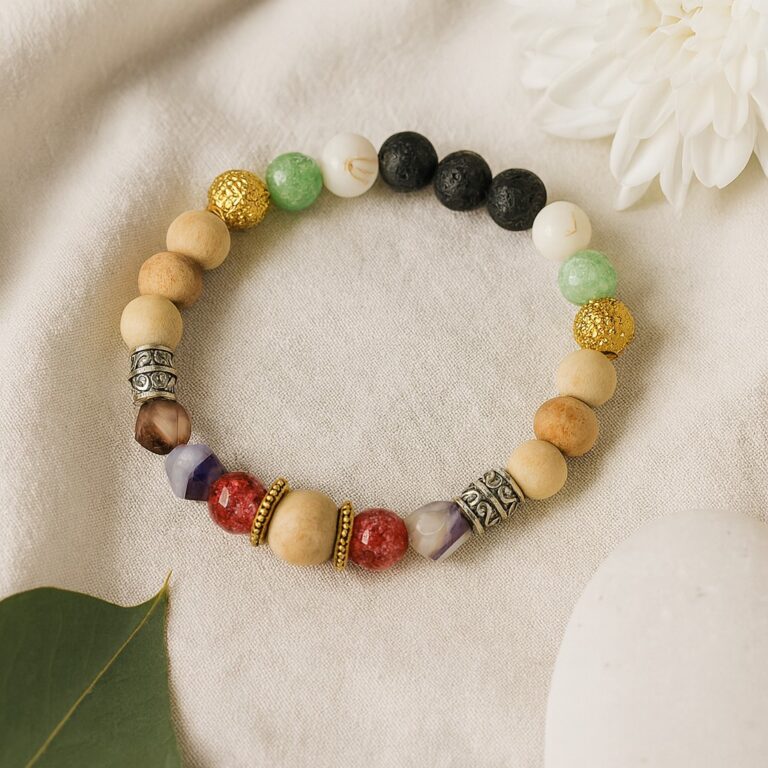
 Silver Plated Bangles We Think You’ll Love
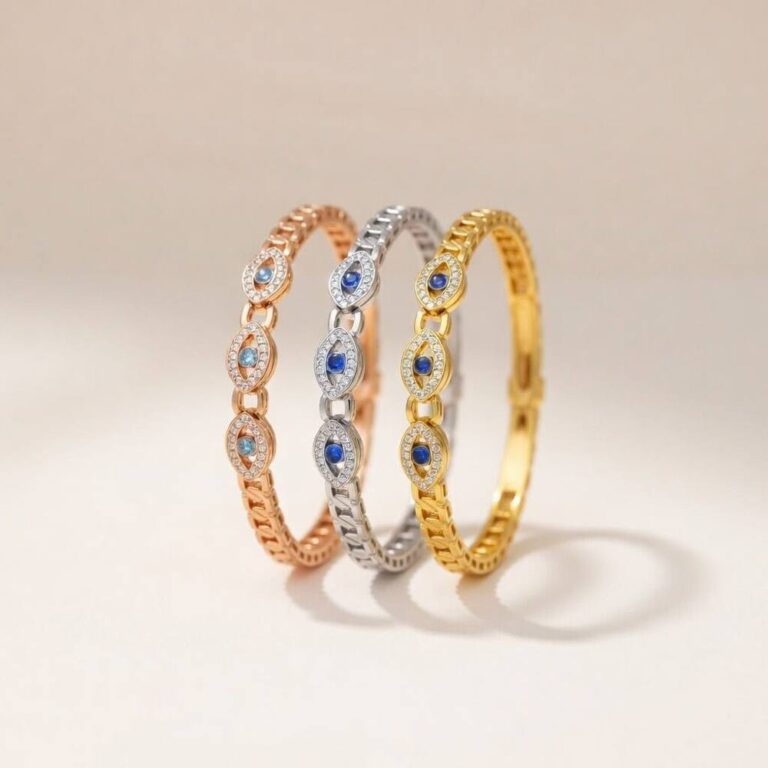
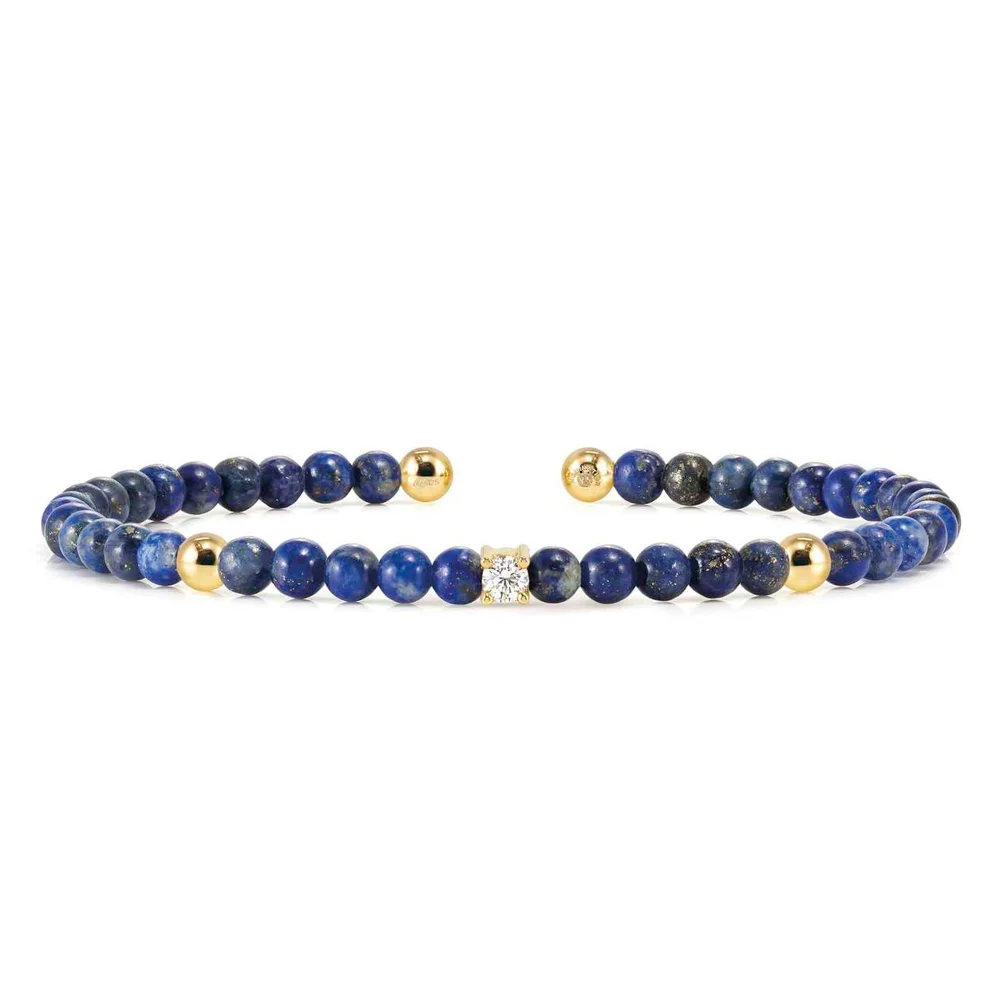 Silver Plated Charm Bangles That Make a Lovely Gift
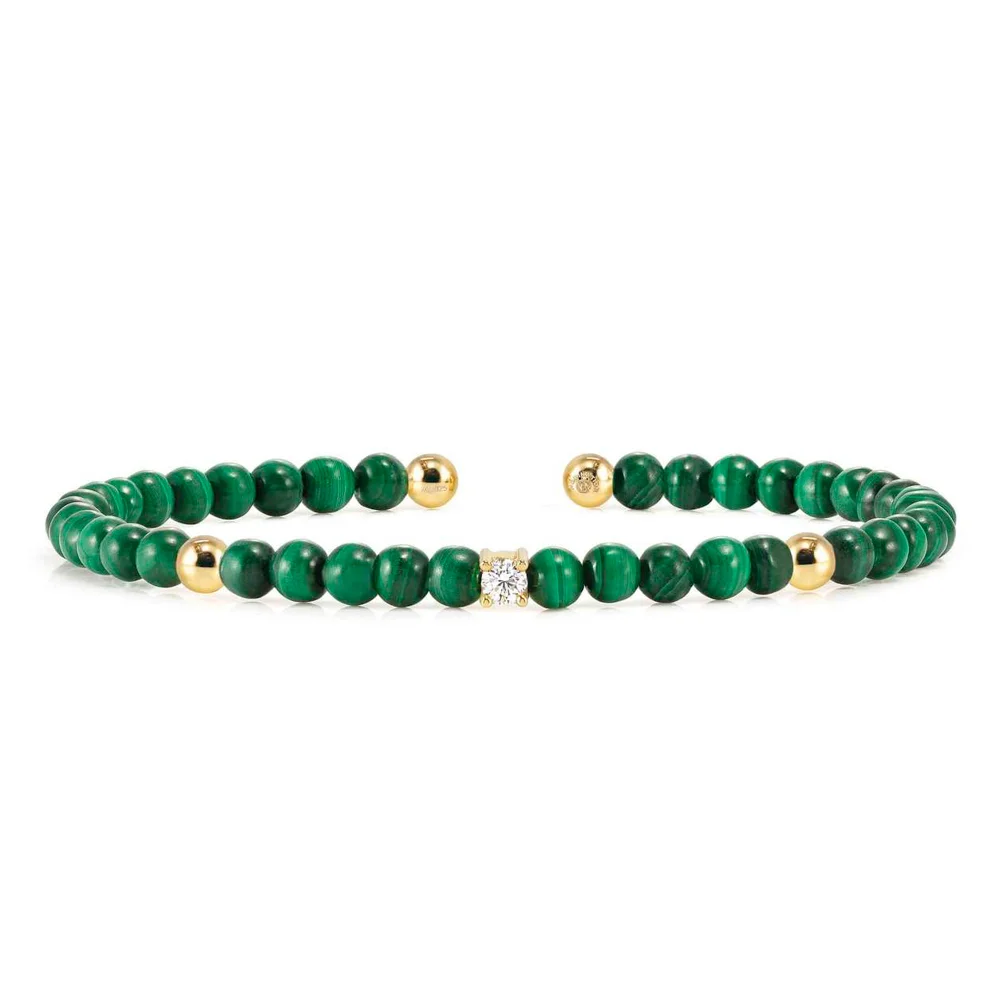
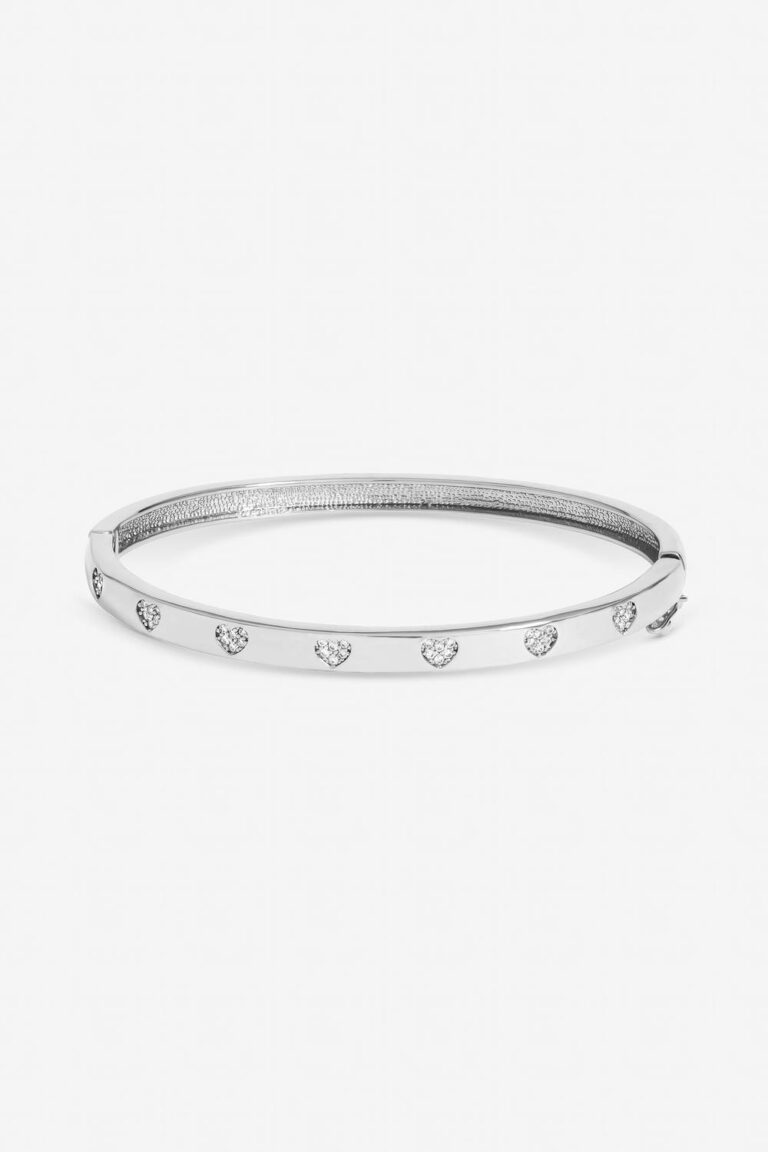 Pretty Silver Plated Heart Bangles We Love

 Silver Plated Adjustable Bangles We’d Buy Again
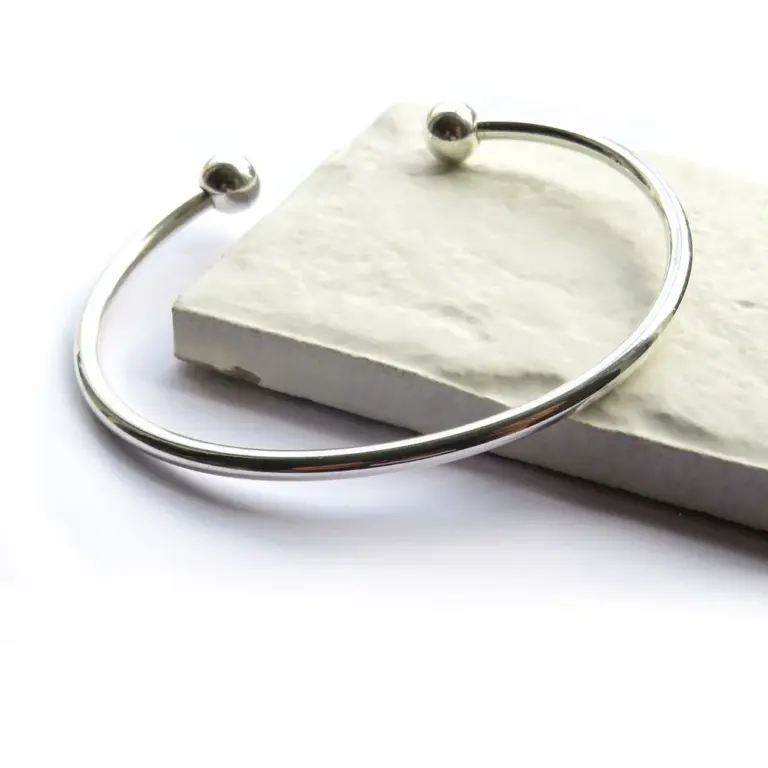
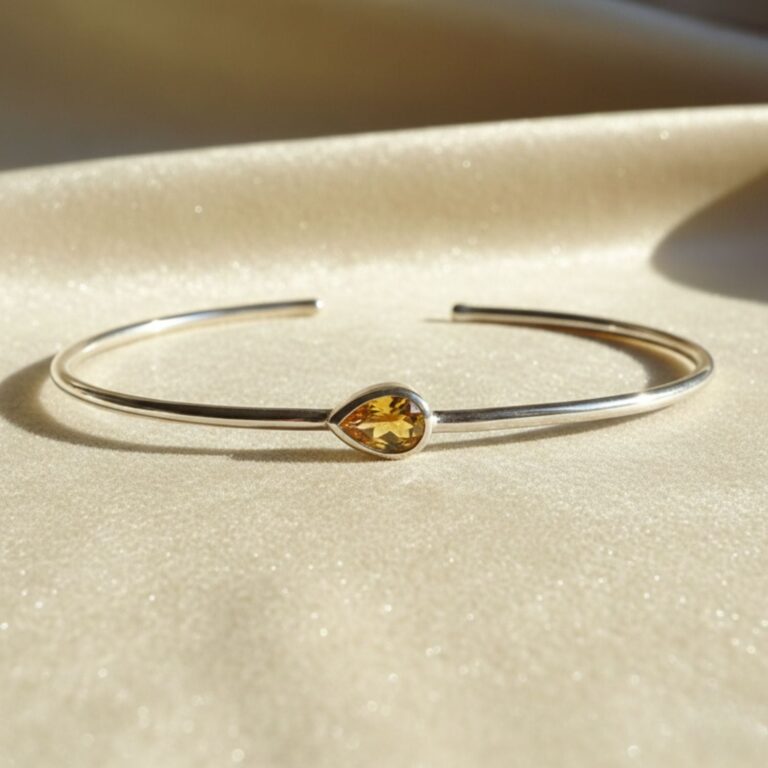 The Best Silver Minimalist Bangles to Shop Now
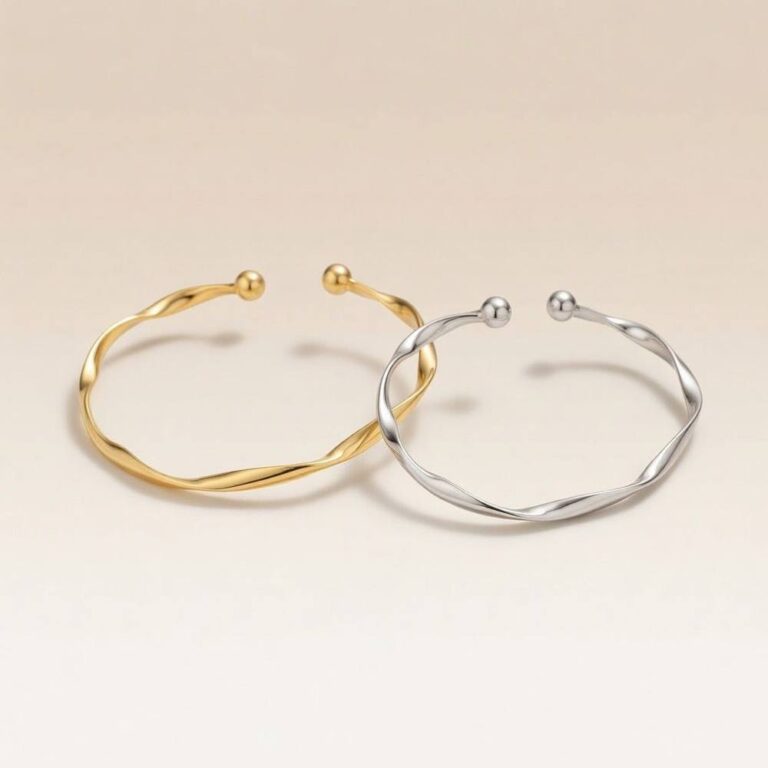
 The Best Silver Pendant Bangles to Shop Now
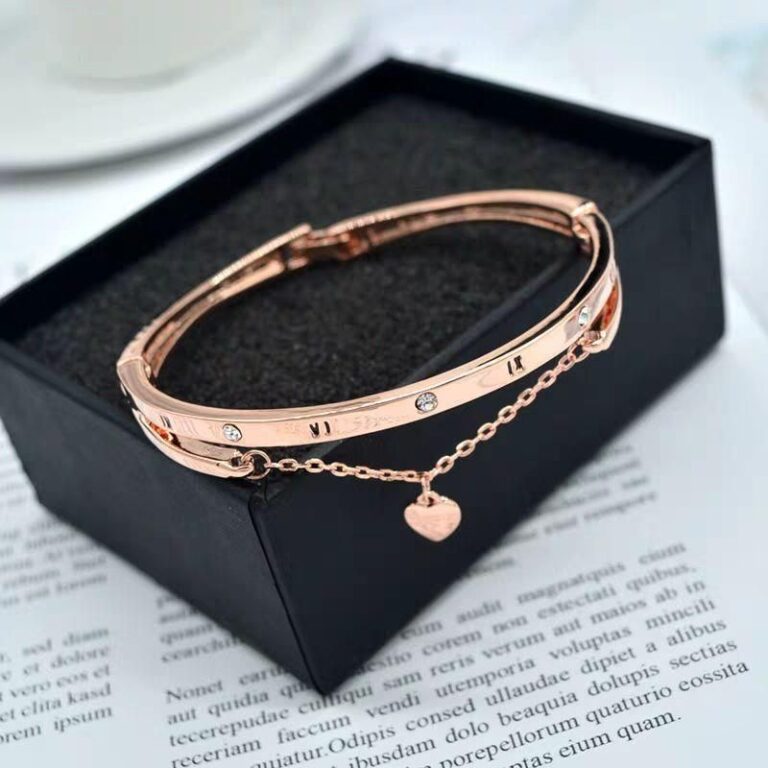
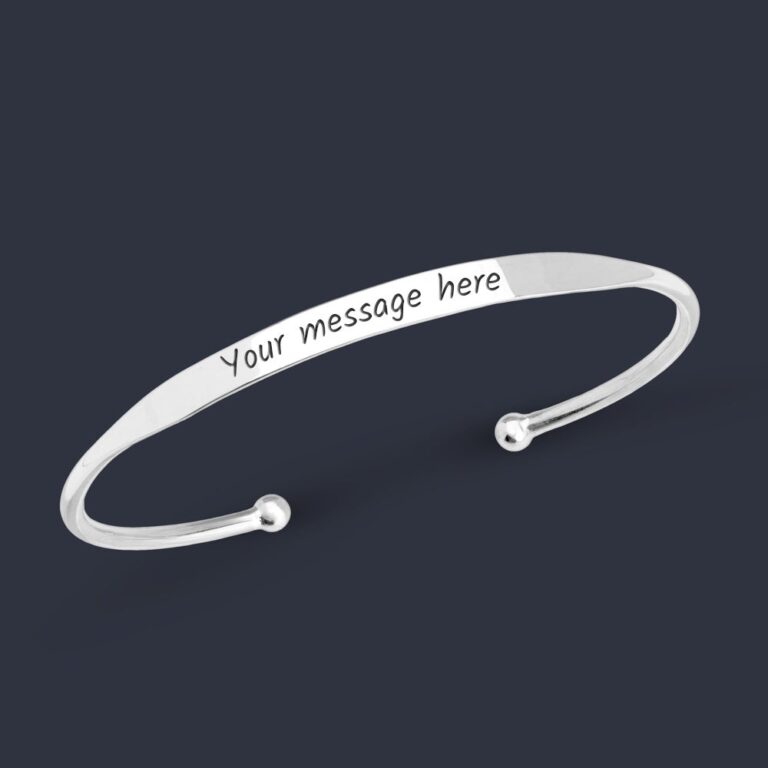 Silver Personalised Bangles We’re Adding to Basket
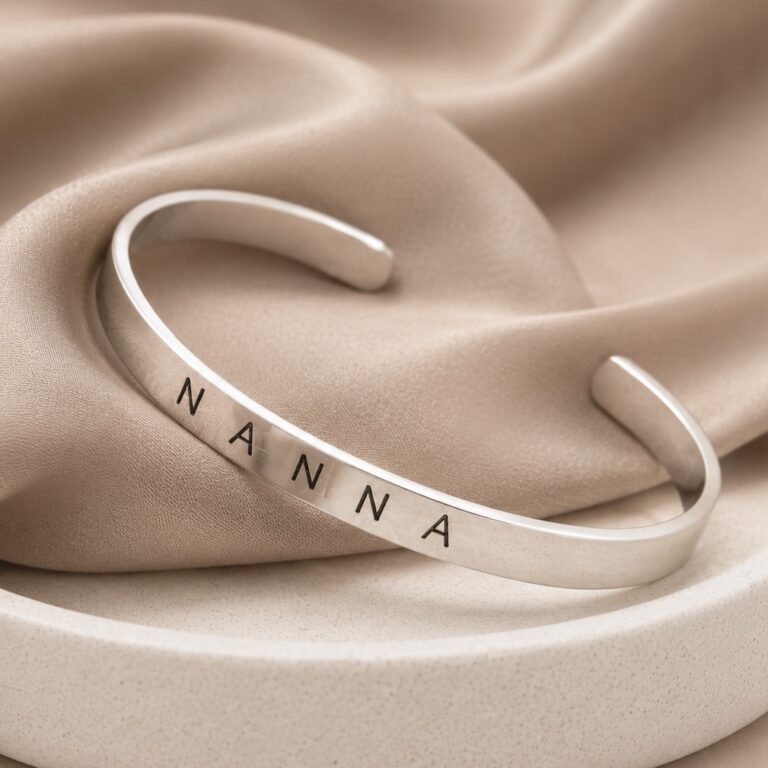
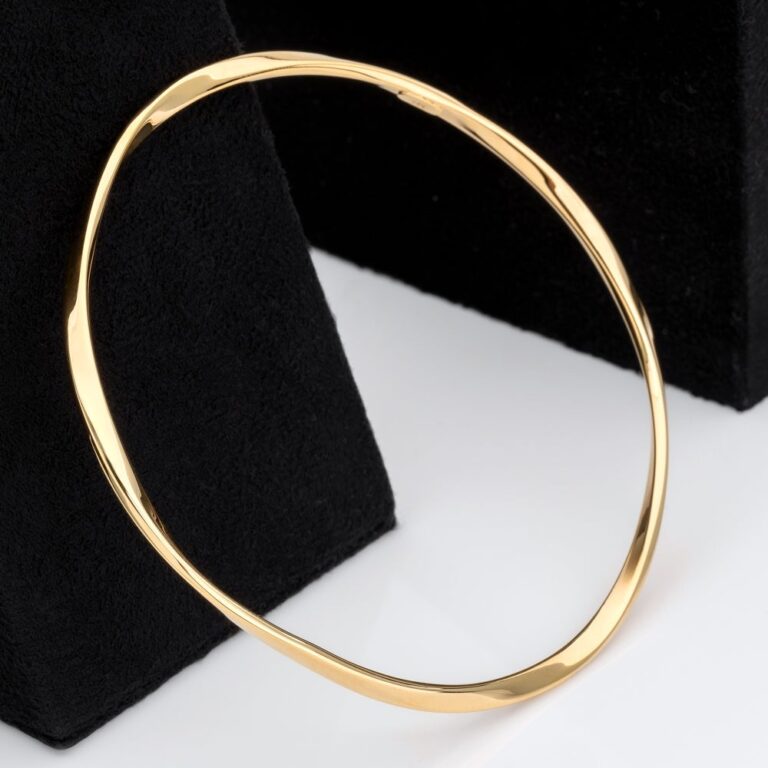 Silver Gold Plated Bangles We Think You’ll LoveAlso worth a lookBraceletsBracelets get written off as the jewellery you forget you're wearing, the thing that ends up tangled in…See the collections →

 Silver Heart Bangles Worth Treating Yourself To
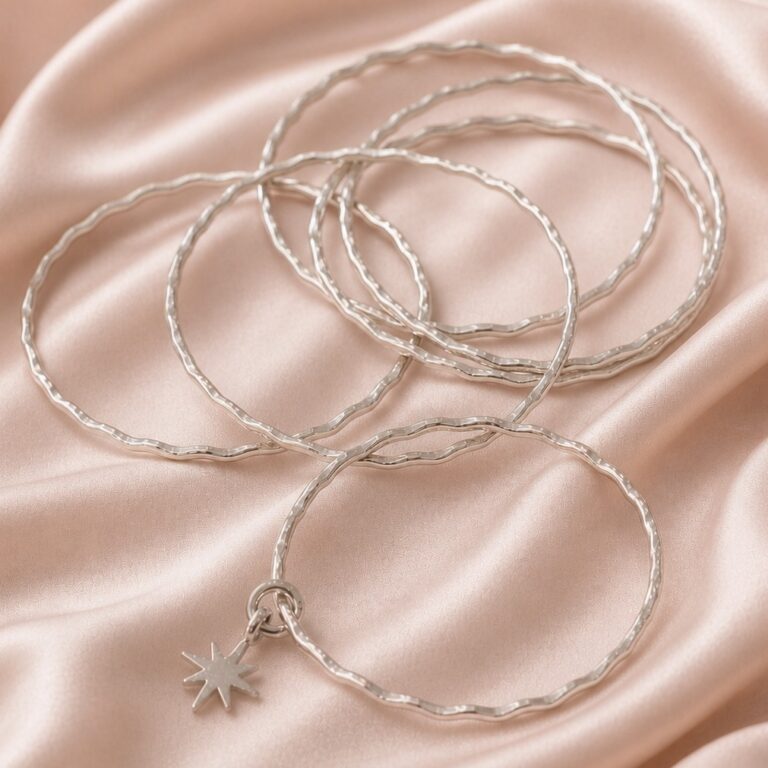
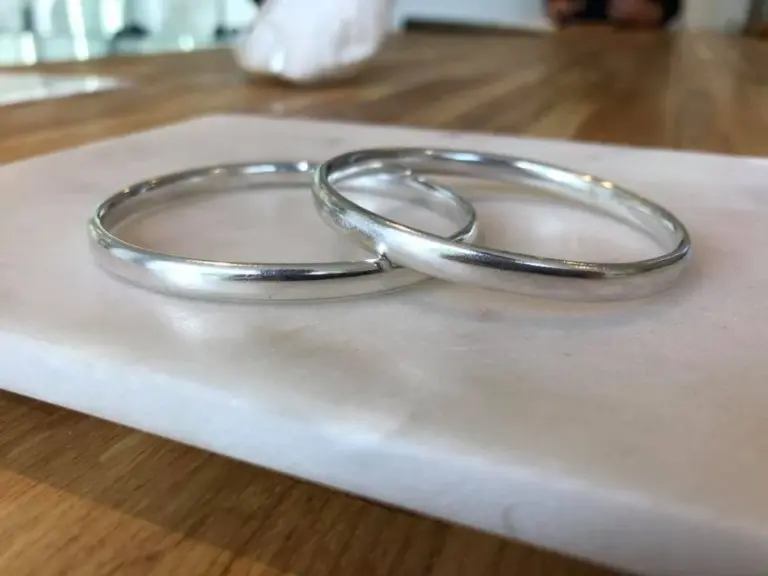 The Silver Layered Bangles We Keep Going Back To
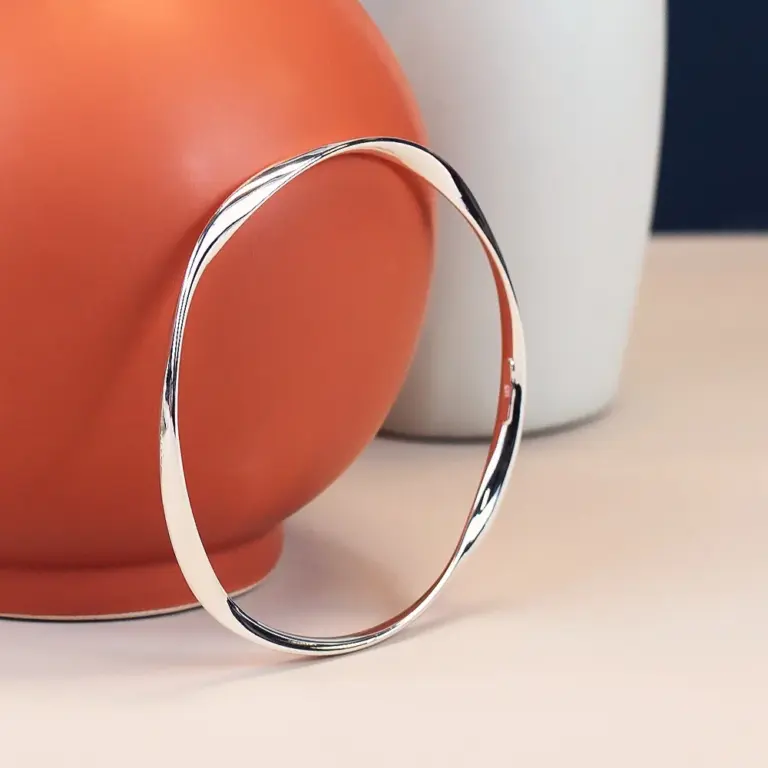
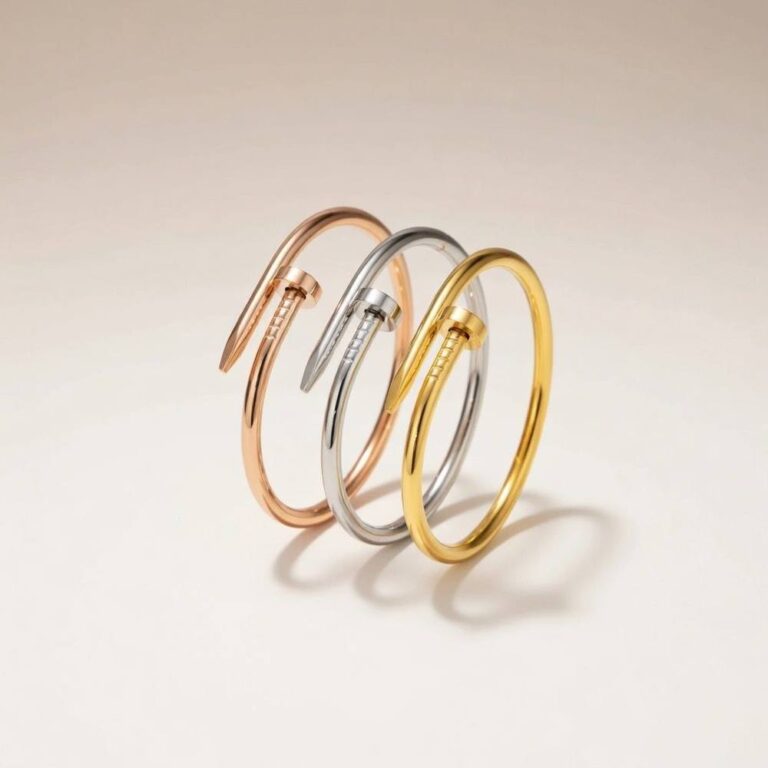 Silver Cuff Bangles That Make a Lovely Gift

 Silver Charm Bangles You’ll Never Take Off
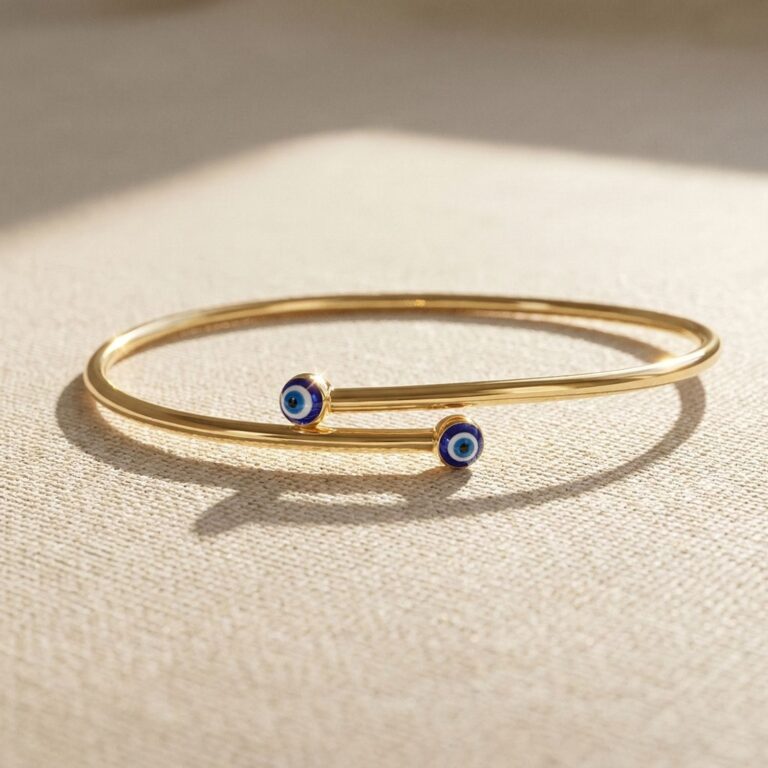
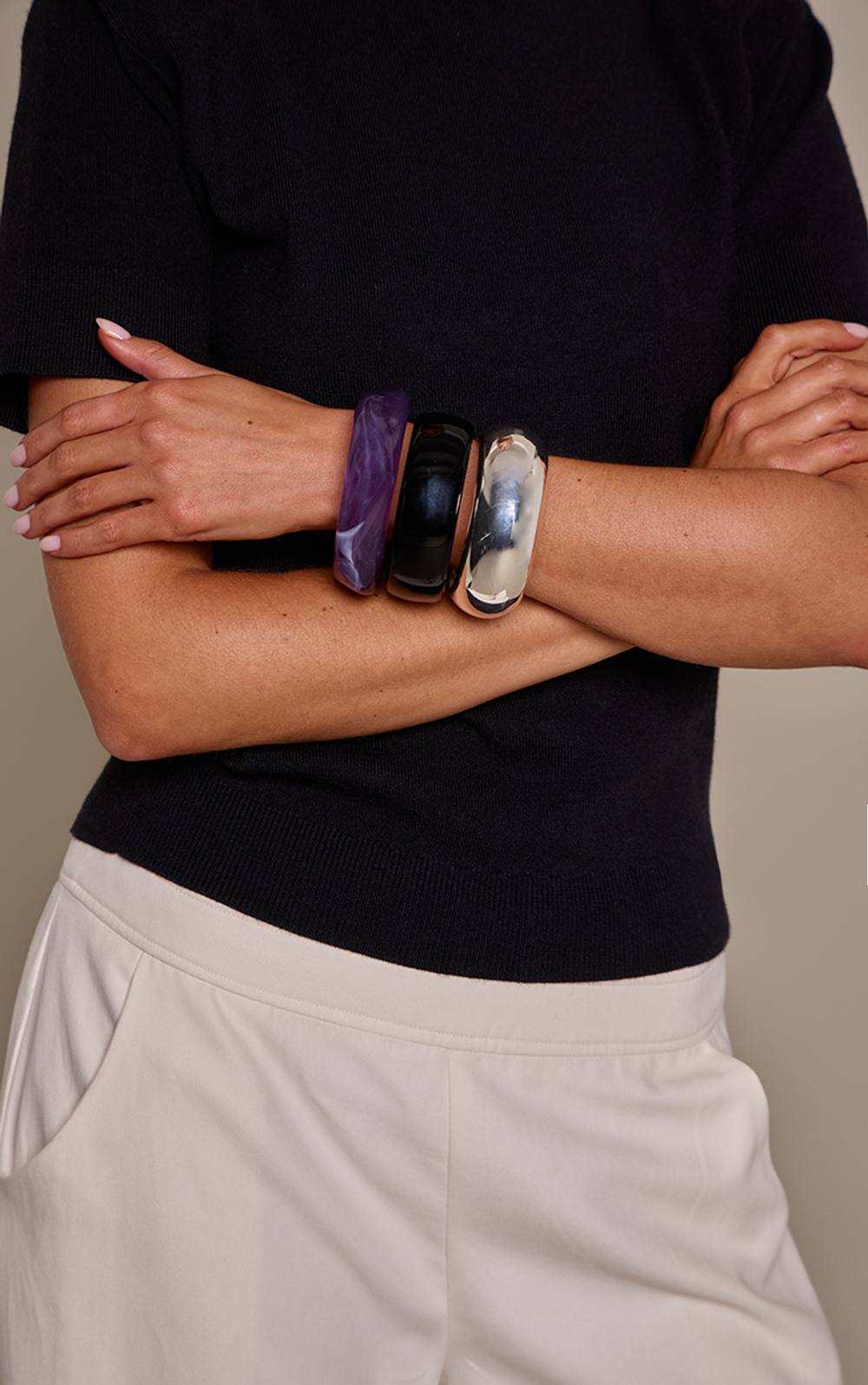
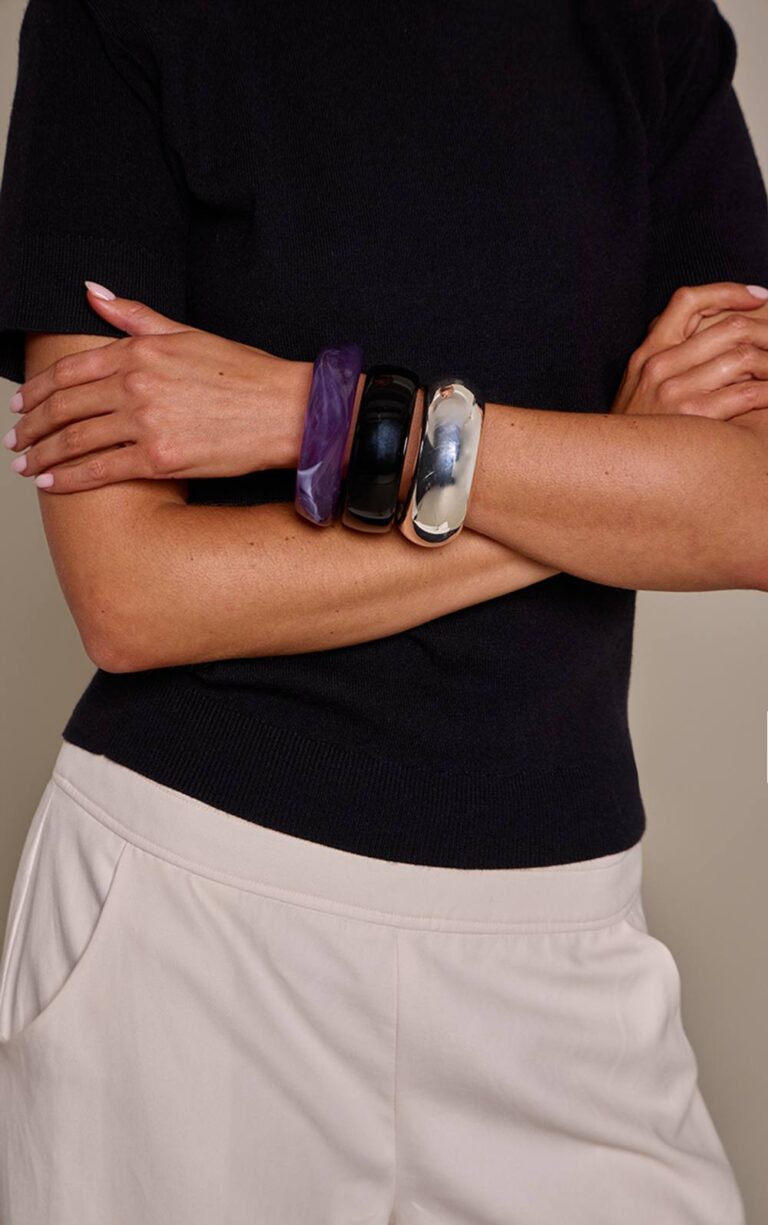 Standout Silver Chunky Bangles to Shop
 Delicate to Bold: Our Favourite Silver Cubic Zirconia Bangles

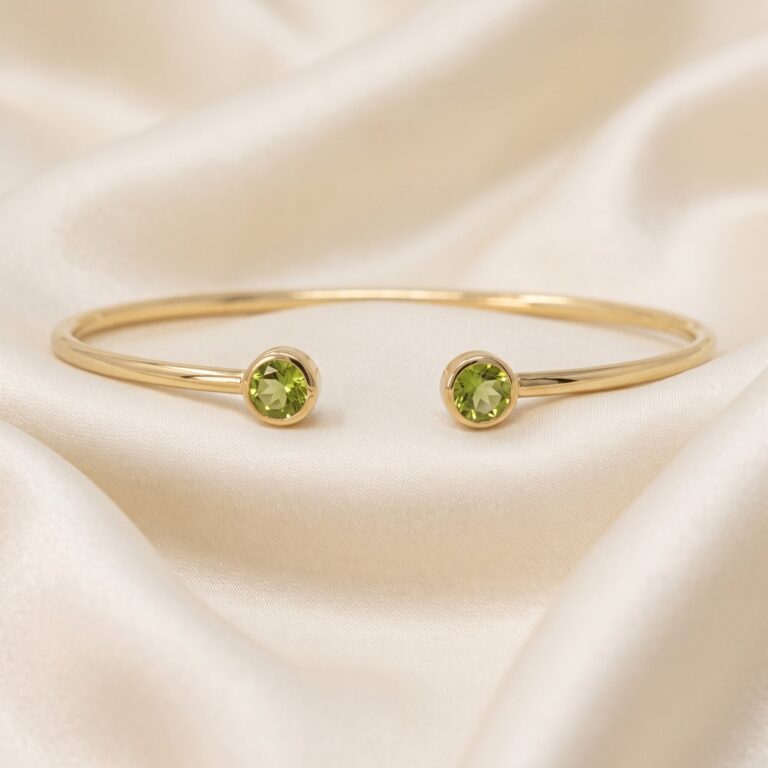 Silver 18ct Gold Bangles We’d Happily Wear on Repeat

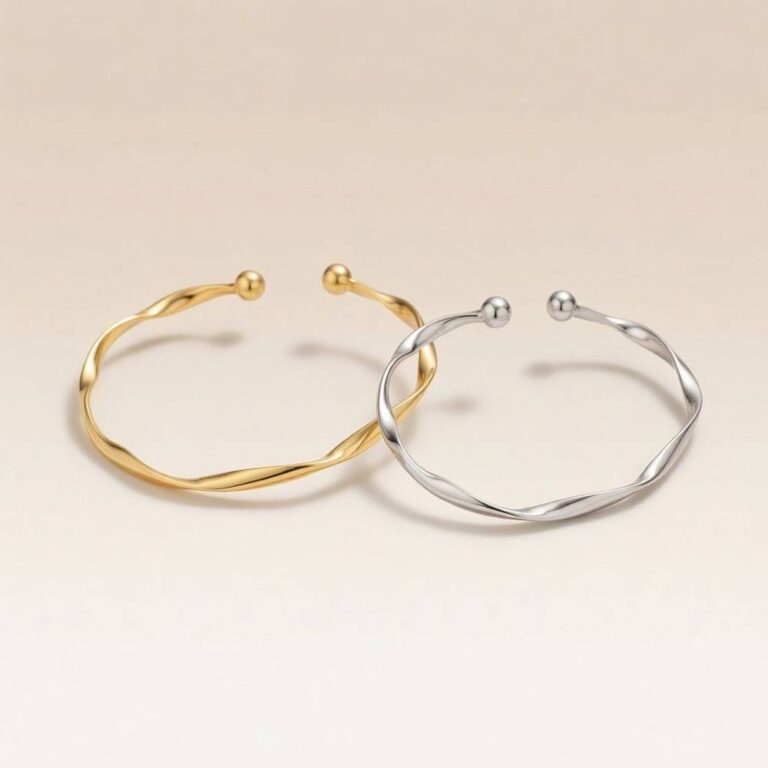 Silver Adjustable Bangles: Our Honest Shortlist