The single thing worth knowing before you buy a cardigan is that the weight of the yarn decides everything else about it, the drape, the warmth, how it survives being shoved in a bag when the heating comes on halfway through the afternoon. Get that wrong and nothing else about the cut will save it.
A good one has a bit of heft to the knit rather than a thin, see through stitch that pills the first time it meets a coat sleeve. Run your hand over it before you buy. You want the fabric to feel dense, not papery, and you want to check the ribbing at the cuffs and hem, because that's the part that gives up first, stretching out into two sad loops by the second wash if the knit is cheap. Buttons matter more than people give them credit for. Proper horn or a decent resin button with a shank sits flat and doesn't pull at the hole, whereas the flimsy flat ones tend to crack or go loose within a month, and then you're sewing a button back on in a corridor before a meeting, which is not a situation anyone needs. Seams at the shoulder and underarm should lie flat rather than rolling, and if you can see the join where sleeve meets body puckering even slightly on the hanger, it'll only get worse on your arm.
For fit, the main thing to watch is the shoulder seam, because a cardigan that's too big there will droop and make even a smart jumper underneath look borrowed. Length is personal but worth thinking about properly: a cardigan that stops right at the hip bone can add width exactly where you don't want it, while one that drops a few inches lower tends to skim and flatter almost everyone, which is the closest thing to a reliable rule I've found. If you're between sizes, go up rather than down, since a cardigan that's slightly roomy still works layered, but one that strains across the back or pulls at the buttons looks cheap however good the fabric actually is.
Where it struggles is obvious once you think about it. A cardigan isn't built for proper cold, a sharp January wind goes straight through most knits unless you're adding a coat over the top anyway, and it's not the thing to reach for if you need something that holds its shape all day without a bit of give, because by nature it moves and softens as you wear it.
Does it hang well with nothing underneath it, or is it only doing its job once you've added three more layers to make it behave?
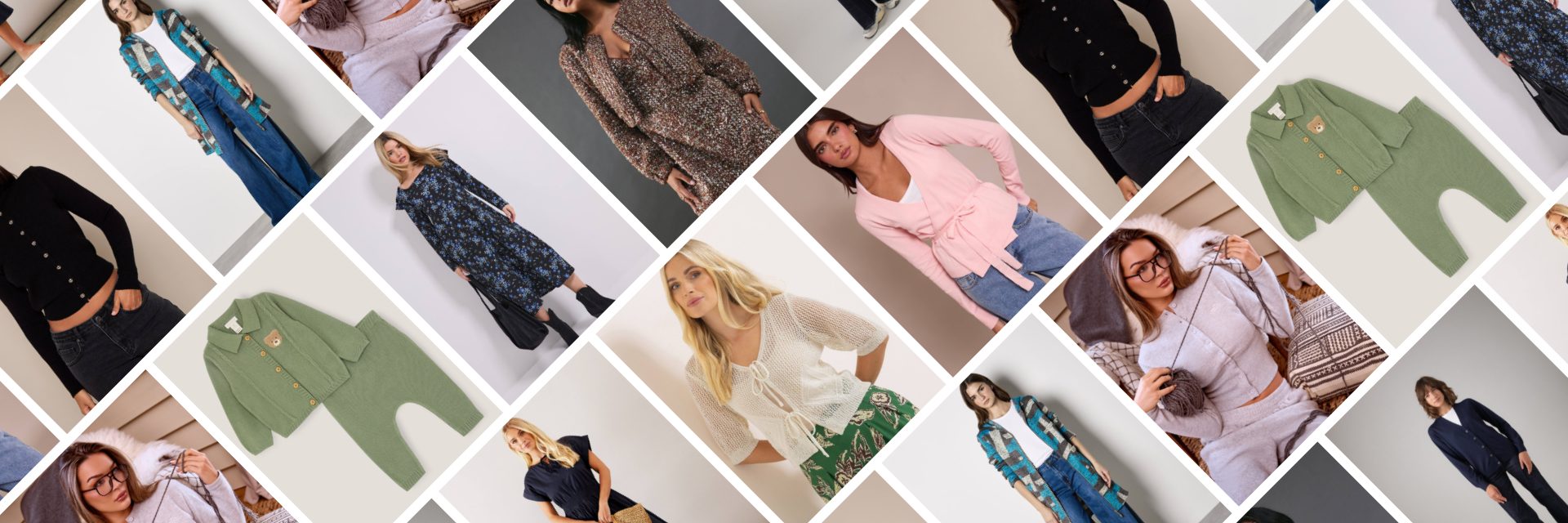
 Our Shortlist of Zip Cardigans

 Zip Cropped Cardigans That Make Outfits Feel New

 Knitted CardigansEasy Zip Knitted Cardigans for Everyday Wear

 Handpicked Zip Longline Cardigans We Keep Coming Back To

 Everyday Yellow Cardigans We Love

 Yellow Cashmere Cardigans That Work Hard in Your Wardrobe

 Work Cropped Cardigans We’re Adding to Basket

 Knitted CardigansWork Knitted Cardigans That Mean Business

 The Work Longline Cardigans Worth Your Wardrobe SpaceAlso worth a lookKnitted CardigansThe thing that catches people out with knitted cardigans is the stretch.See the collections →

 Knitted CardigansEasy Wool Knitted Cardigans for Everyday Wear

 Work Cardigans: Picks We Stand By
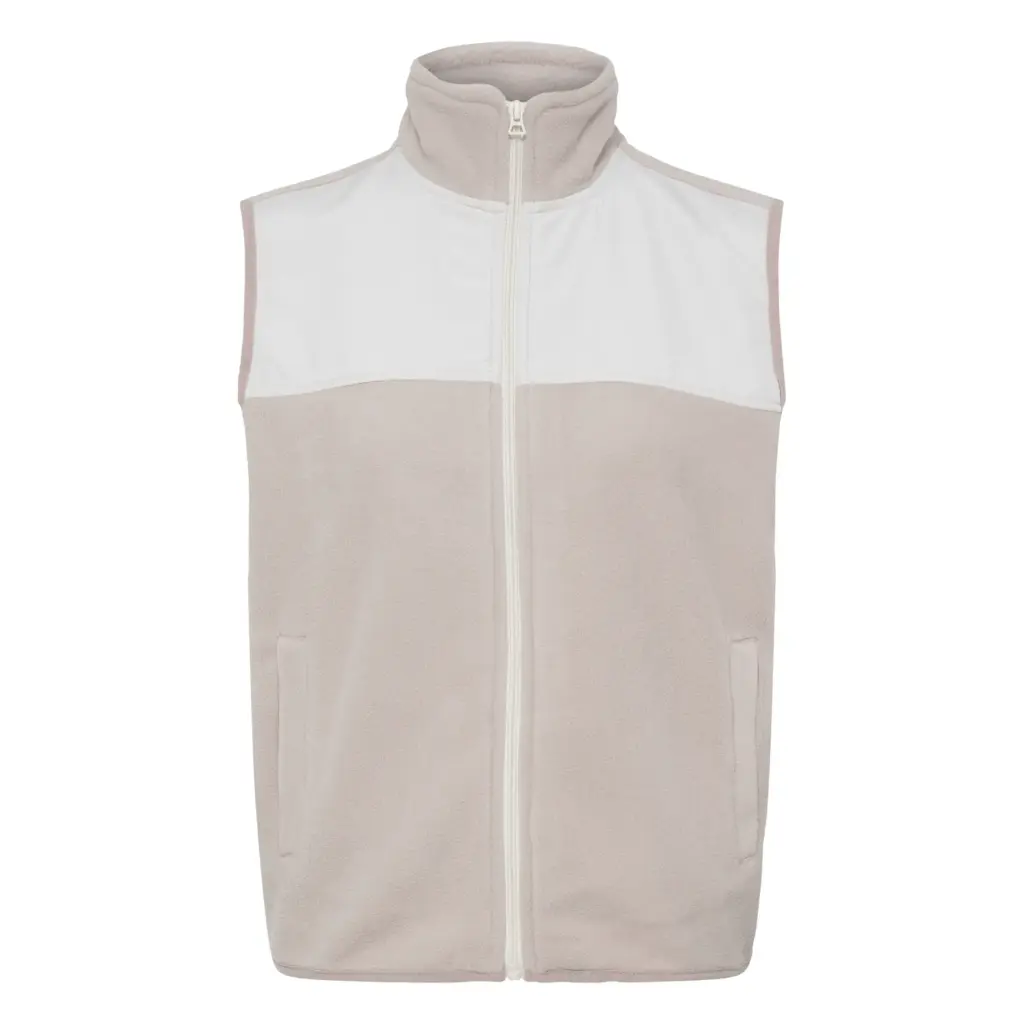
 Shop the Edit: Wool Cardigans

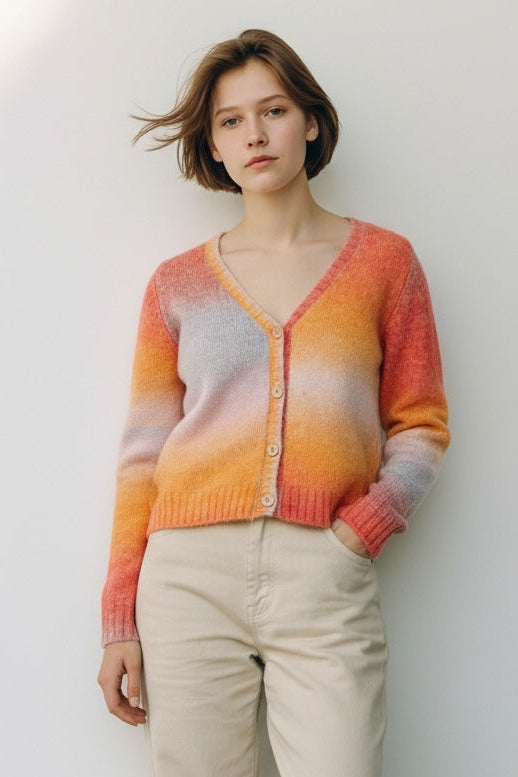 Wool Cropped Cardigans to Pair With Everything

 White Wool Cardigans for Colder Days

 White Zip Cardigans Worth a Closer Look

 The Prettiest White V Neck Cardigans Around Right Now

 Our Shortlist of White Striped Cardigans

 Where to Find the Best White Short Sleeve CardigansAlso worth a lookJumpersThis is the first thing I reach for once the heating goes back on properly and the light drops by half past four.See the collections →

 White Sleeveless Cardigans Worth Layering

 Knitted CardigansWhite Ribbed Knitted Cardigans to See You Through Winter

 White Oversized Cardigans: Our Top Picks

 Where to Find the Best White Long Sleeve Cardigans

 White Longline Cardigans That Make Outfits Feel New

 Knitted CardigansWhite Lightweight Knitted Cardigans That Go With Everything

 Knitted CardigansCosy White Knitted Cardigans We Love

 White Fitted Cardigans Worth Layering

 Our Top White Crew Neck Cardigans Right NowAlso worth a lookKnitwearThe thing nobody mentions is how a knit tells on itself after a few wears, not a few washes.See the collections →

 White Cropped Cardigans Edited Down to the Best

 White Cosy Cardigans: What We’d Buy Now

 The Edit: White Cotton Cropped Cardigans

 White Cardigans That Go With Everything

 Where to Find the Best White Cashmere Cardigans

 Easy White Button Cardigans for Everyday Wear

 The White Button Cropped Cardigans We’re Eyeing Up This Season

 Knitted CardigansWhite Button Knitted Cardigans to See You Through Winter


