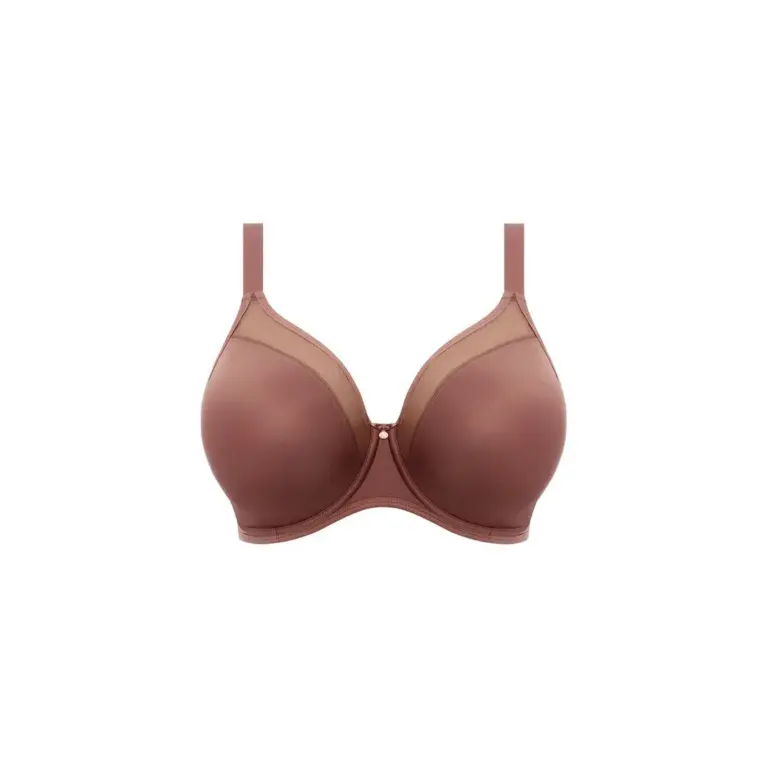
The thing that matters most with a slip is the cut on the bias, not the fabric name on the label. A true bias cut skims over hips and stomach instead of clinging to every bit it touches, and that's what makes the difference between a slip you wear with confidence and one you spend all evening tugging down.
Once you've got the cut right, it's worth paying attention to what the slip is actually made from, because this is where cheap ones fall apart fast. A lot of high street slips are a polyester satin, which looks glossy under shop lighting but can feel a bit cold and static against skin, and tends to cling in the wrong places by the second wear. Proper silk, even a lighter weight one, moves differently, it has a bit of body to it so it skims rather than sticks, and it breathes, which matters if you're wearing it as actual lingerie rather than just loungewear. Viscose sits somewhere in between, soft and drapey with a bit more weight than polyester, and it's often a better bet than cheap satin if silk is out of budget. Construction tells you a lot too. French seams on the inside mean no rough edges catching on tights or rubbing under a dress, and adjustable straps are worth checking properly rather than assuming, because a fixed strap length on a slip is a gamble on your torso length that often doesn't pay off. Lace trim at the hem or neckline should lie flat, not pucker, and if it's doing the latter in the shop it'll only get worse after a wash or two.
Before you buy, hold it up and check the hem actually sits even all the way round, not just at the front, since a slip cut badly at the back will ride up walking in a way you won't notice until you're out somewhere. Check the straps aren't going to dig in at the shoulder, and if there's a bit of weight to the fabric when you rub it between your fingers, that's usually a decent sign it'll hang properly rather than cling. Slips earn their keep for the warmer months, worn alone under a blazer or as the whole outfit in summer, but a slightly heavier weight one doubles as a layer under a sheer dress or a thin knit through autumn, which is the bit people often miss.
A slip should skim your hips without you feeling the fabric at all when you walk, if you can feel it, it's too tight or too short for your frame.

 Wireless Slips Edited Down to the Best

 Standout White Wireless Slips to Shop

 White Velvet Slips That Always Get Compliments

 White Slips That Always Get Compliments

 The White Satin Slips We’d Wear Anywhere

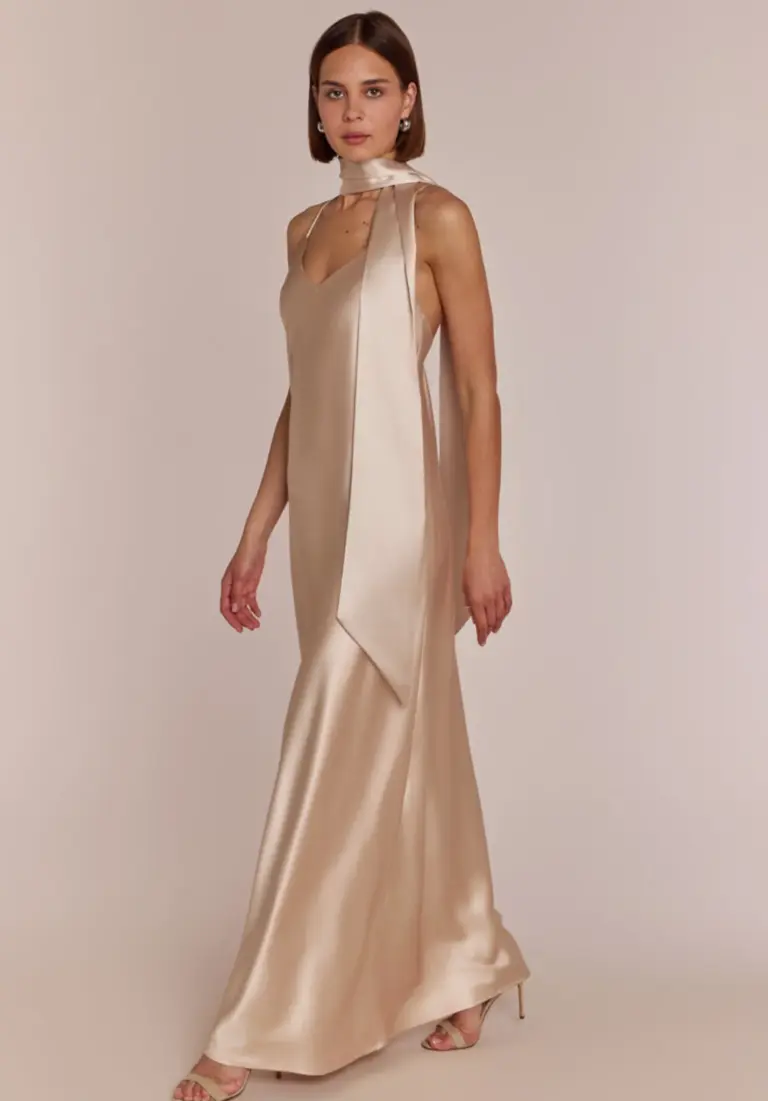 Our Kind of White Seamless Slips

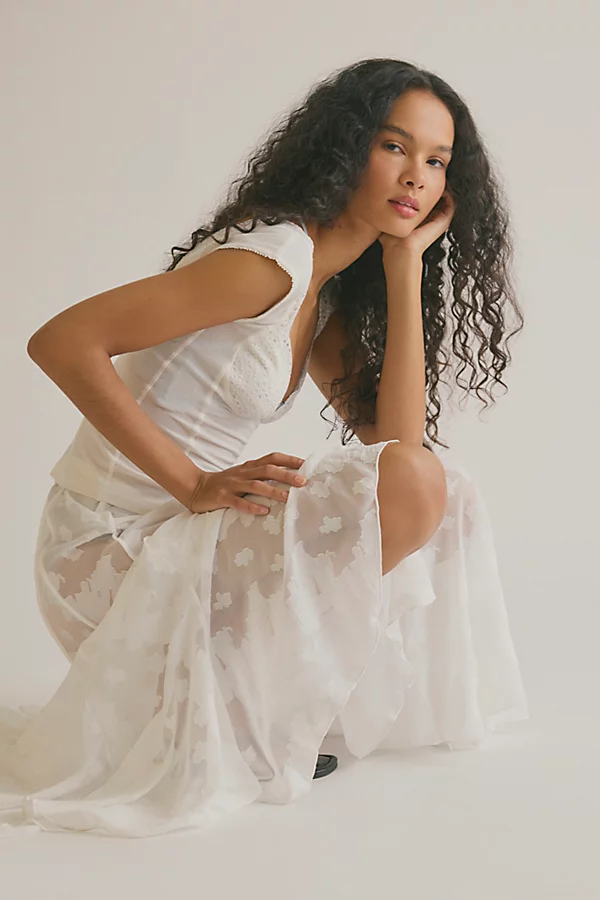 White Sheer Slips Actually Worth Buying

 The White Printed Slips Worth Your Wardrobe Space
 White Organic Cotton Slips We Love Right NowAlso worth a lookBrasThe first thing I do with any bra is put two fingers under the back band before it's even fastened on the loosest hook.See the collections →

 The Best Looking White Padded Slips Out There

 Finding the Best White Moulded Slips

 White Non Padded Slips That Flatter Without Trying

 The White Non Wired Slips Shortlist

 Finding the Best White Mesh Slips

 White Microfibre Slips That Make Getting Dressed Easy

 White High Leg Slips We’d Buy Again

 White Floral Slips You’ll Want to Live In

 White Embroidered Slips We RateAlso worth a lookBriefsThe moment that decides my opinion on a pair of briefs is always the same: getting dressed for…See the collections →

 White Cut Out Slips We’ve Been Saving

 White Cotton Slips That Flatter Without Trying

 Wedding Ready White Bridal Slips

 Our Kind of Velvet Slips

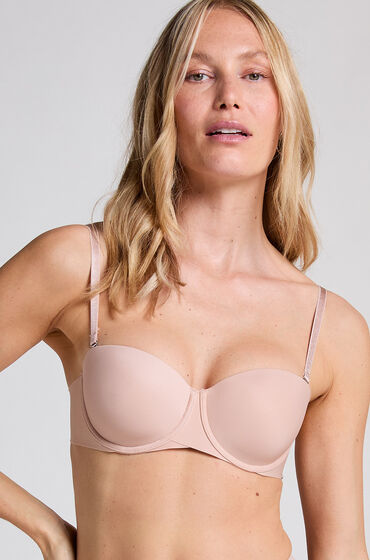 Underwired Slips We’ve Been Saving

 Strappy Slips Edited Down to the Best

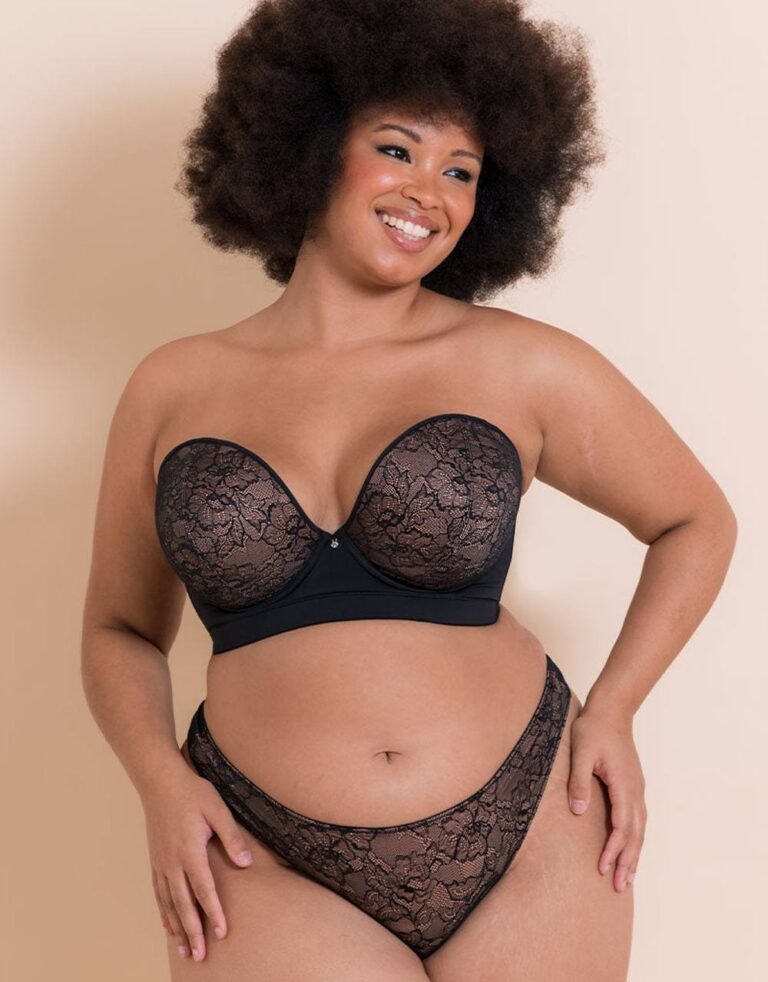 Strapless Slips That Do All the Work for You

 Slips We Love Right Now

 Silk Slips You’ll Reach for FirstAlso worth a lookLace LingerieI avoided lace for years because every set I owned itched by lunchtime and left red marks that…See the collections →

 Sheer Slips Actually Worth Buying

 Shop Our Favourite Satin Cut Out Slips

 Satin High Waisted Slips That Do All the Work for You

 Red Strappy Slips You’ll Want to Live In

 The Red Sheer Slips We’re Eyeing Up This Season

 Red Printed Slips: What We’d Buy Now

 Red Satin Slips: Our Current Favourites

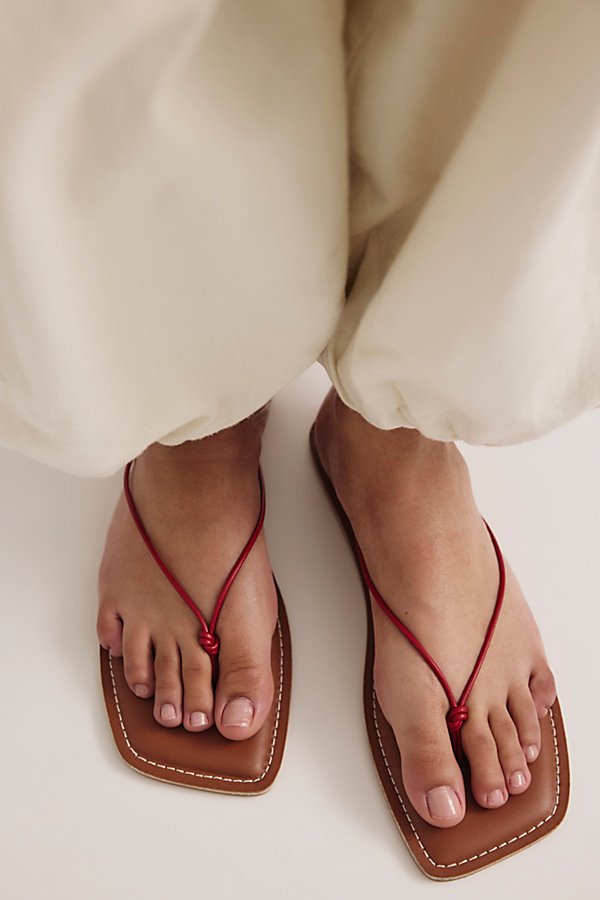 Red Padded Slips You’ll Reach for First