White heels suit anyone who wants one dressy shoe that doesn't quietly narrow everything else to black, and who has a day coming up where they want to feel a bit finished without overthinking it. Think twice if you're someone who scuffs shoes within the first wear, because white shows every mark within about an hour of pavement contact, and think twice if you're not prepared to carry a small pot of shoe cleaner about like it's lip balm.
The honest limit is that white heels are never going to be the practical choice. They're the shoe for a lunch, a wedding, a day where you know you're mostly sitting or standing on something clean, not the shoe for a rainy school run or a festival field, because mud and white leather have a relationship that never ends well. They also show up differently depending on the light, so a pair that looked crisp and bright under shop lighting can read slightly cream or slightly grey once you're outside, which matters if you're trying to match them to a specific dress rather than just wearing them with everything pale and neutral, which is honestly where they do their best work, with wide leg trousers, a simple shift dress, even jeans turned up and a plain top. Before buying, check what the upper is actually made from, because a cheaper synthetic will crease and yellow at the toe within a few wears in a way that real leather or a good quality faux leather won't, and check the stitching around the heel and the sole edge, because that's where you'll see if corners were cut. Have a proper look at the shade in daylight if you can, not just under the shop lights, and check the heel height against something you actually own, because a heel that felt fine for ten minutes walking round a shop is a different matter after three hours standing at a bar.
Over time, white heels age the way most white things do, which is to say they show their history. The toe box picks up scuffs first, the sole edge picks up grey, and the leather around the ball of the foot can crease and discolour if you wear them a lot without a break. A damp cloth after each wear, straight away rather than once the mark's had time to set in, makes the biggest difference, and a proper leather cleaner kept specifically for them is worth the small cupboard space. Store them somewhere they won't rub against darker shoes, because dye transfer from a nearby pair is a real and annoying thing. Look first at the toe and the heel edge, because that's where cheap ones give themselves away before you've even left the shop.

 Strappy HeelsThe Wide Fit White Strappy Heels We’re Eyeing Up This Season

 Block HeelsWhite Woven Block Heels: The Edit

 Standout White Woven Heels to Shop

 Finding the Best White Zip Heels

 White Velvet Heels You’ll Actually Want to Walk In

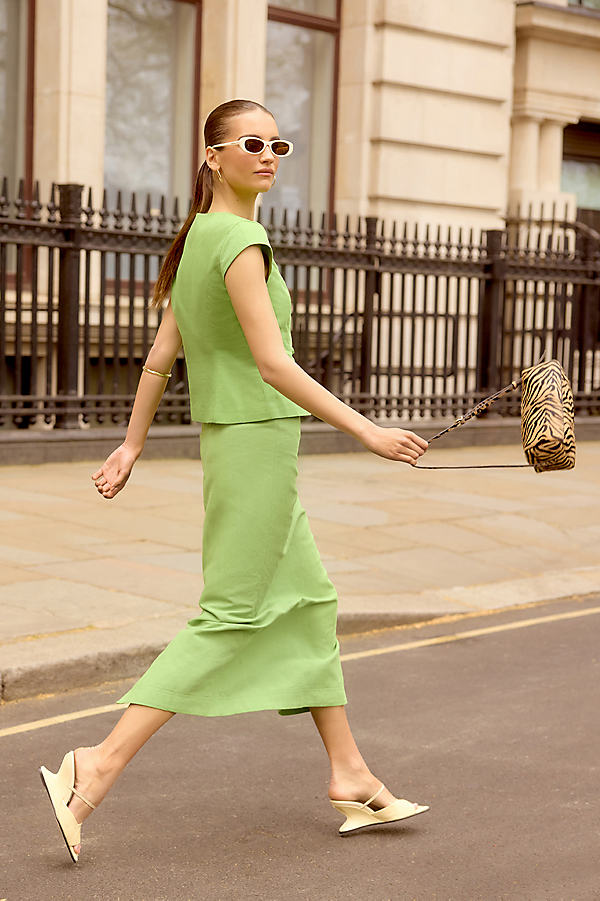 Finding the Best White Wedge Heels

 Shop the Edit: White Suede Heels

 Block HeelsThe White Strappy Block Heels We Keep Going Back To
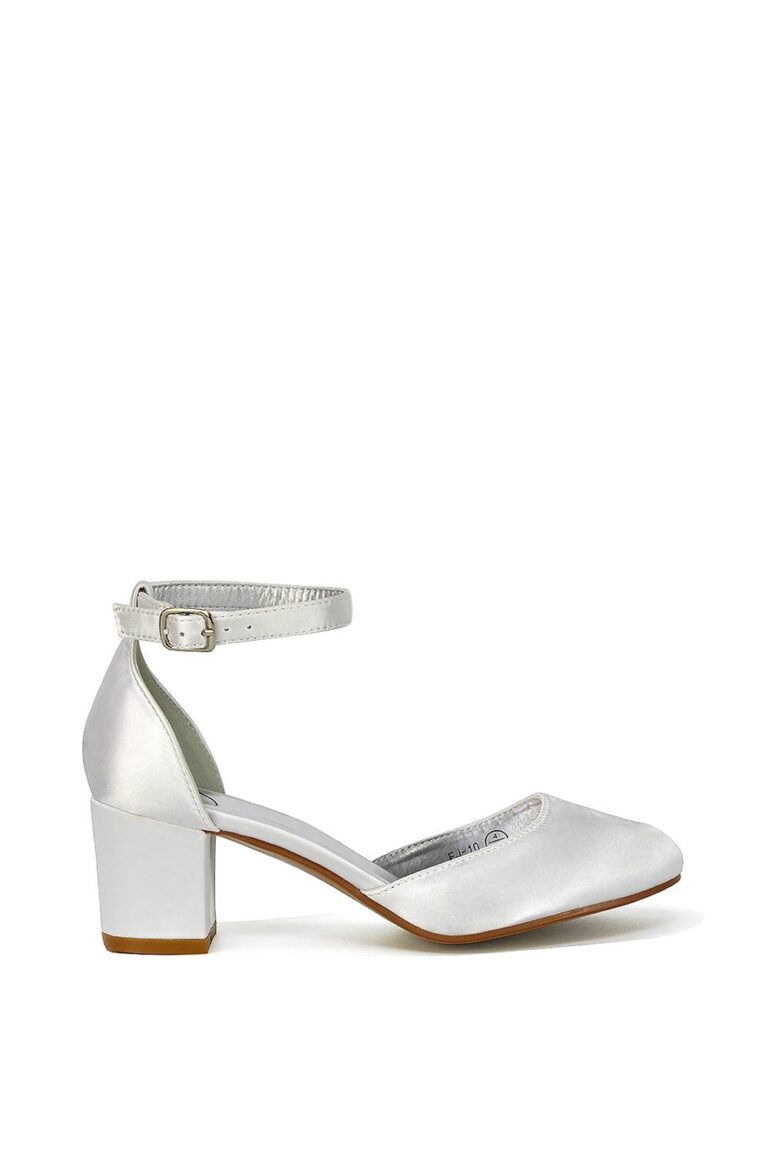
 Strappy HeelsWhite Strappy Heels to Finish Any OutfitAlso worth a lookStrappy HeelsThe first thing I do with a strappy heel is check where the straps actually sit against my foot, not just how they look from the front.See the collections →

 Block HeelsOur Shortlist of White Square Toe Block Heels

 Our Shortlist of White Square Toe Heels

 Strappy HeelsWhite Square Toe Strappy Heels We’d Buy Again

 White Stiletto Heels: What We’d Buy Now

 Strappy HeelsThe Edit: White Stiletto Strappy Heels

 White Stilettos: What We’d Buy Now

 The Edit: White Slingback Heels

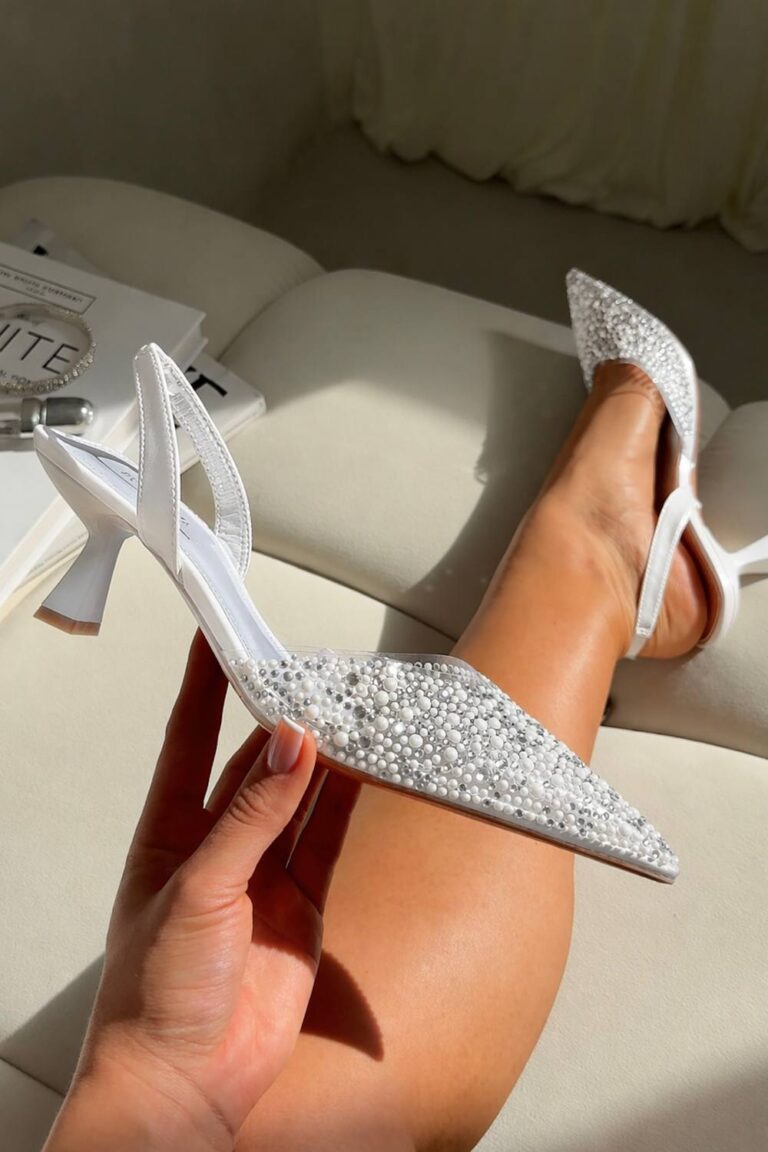 Kitten HeelsWhite Slingback Kitten Heels Edited Down to the Best

 A Closer Look at the Best White Slip On HeelsAlso worth a lookBlack HeelsThe point in the year when black heels actually earn their spot by the door is that stretch…See the collections →

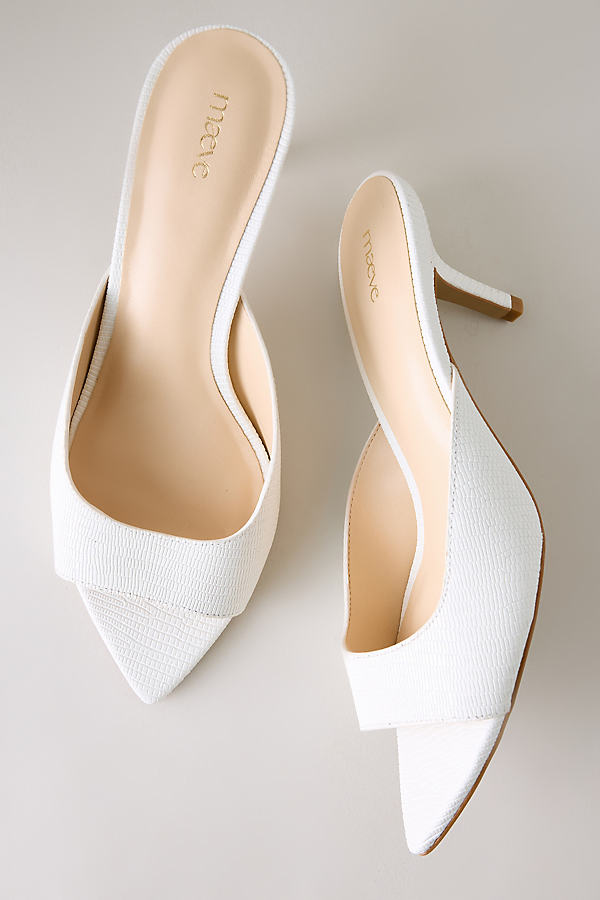 White Rubber Heels We Can’t Stop Looking At

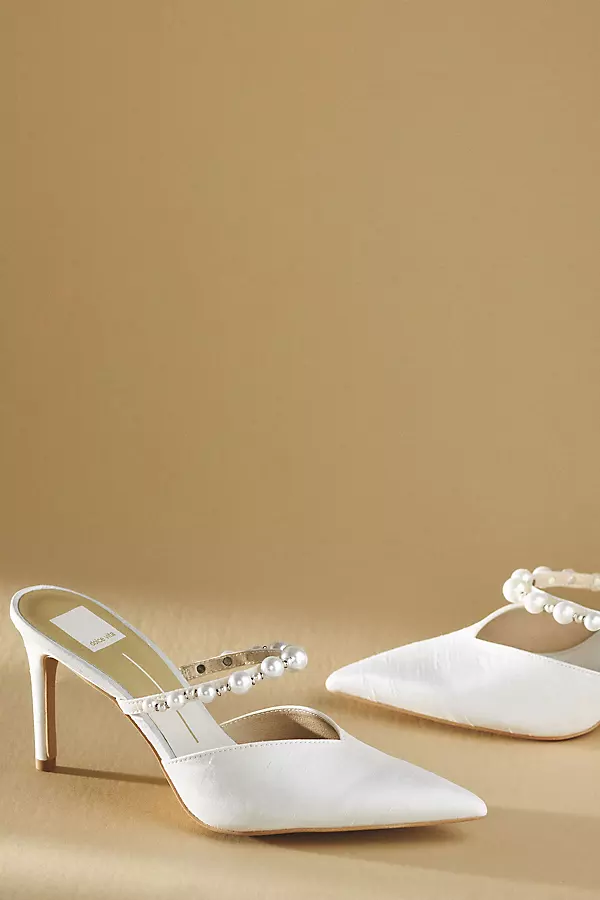 White Satin Heels to Finish Any Outfit

 Strappy HeelsWhite Satin Strappy Heels That Go With Everything

 Shop the Edit: White Round Toe Heels

 Our Edit of the Best White Pointed Heels

 Kitten HeelsThe White Pointed Kitten Heels Worth Your Wardrobe Space

 Strappy HeelsWhite Pointed Strappy Heels: What We’d Buy Now

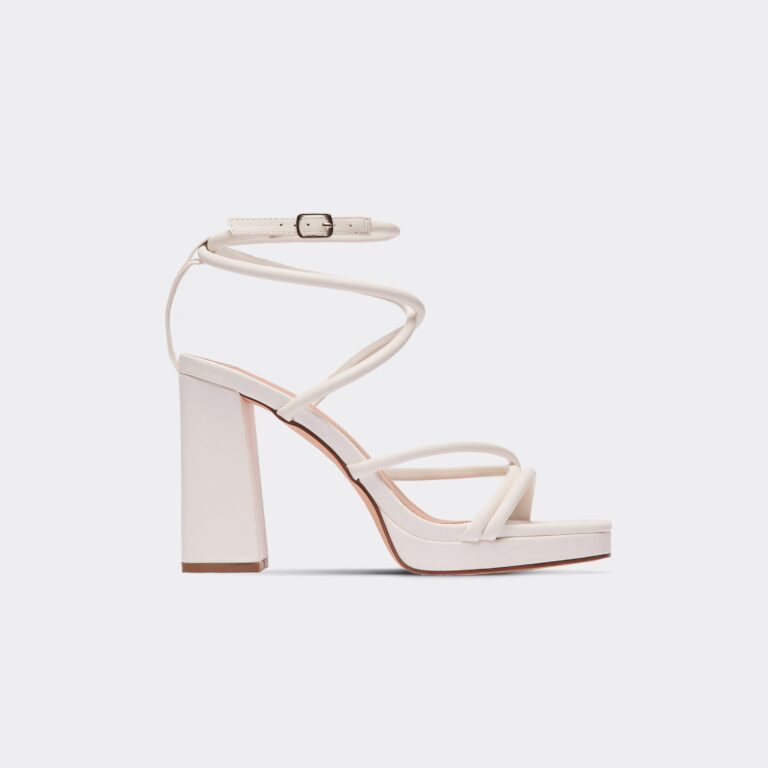 Block HeelsWhite Platform Block Heels Worth Adding to Your Wardrobe

 White Platform Heels to Finish Any OutfitAlso worth a lookBlock HeelsBlock heels are the only heel I trust for a full day on your feet, because the weight…See the collections →

 Strappy HeelsWhite Platform Strappy Heels We’d Buy Again

 The White Patent Heels on Our Wishlist

 Shop the Edit: White Mesh Heels

 Block HeelsWhite Mid Heel Block Heels That Make an Outfit

 The White Mid Heel Heels We’re Eyeing Up This Season

 White Low Heels That Have Caught Our Eye

 Kitten HeelsComfortable White Low Kitten Heels That Still Look Good

 Strappy HeelsWhite Low Strappy Heels You’ll Actually Want to Walk In


