The real tell on a midi skirt isn't how it looks in the mirror on day one, it's what happens at the back of the waistband after about six weeks of being sat down in all day. Cheap stuff pills and gapes there first, right where nobody checks before they buy.
If you've got none in your rail at all, start with something in a stable cotton or a cotton and viscose mix, A line rather than pencil, hitting somewhere between mid calf and ankle depending on your height, because that shape forgives the most body types and the most days, sitting, cycling, standing on a train, without pulling tight across the thighs or riding up when you walk. A pencil midi is a lovely thing but it's the second skirt, not the first, because it punishes an inch of weight change either way and most of us have an inch of weight change most months. Once you've got the A line sorted you'll know which direction you actually want to go in rather than guessing.
Wear and ageing is where the difference between a good one and a bad one really shows itself, not on the first wear but the fifteenth. A well made skirt in a decent weight of fabric keeps its shape through a full day, doesn't cling and ride when you sit for two hours, and comes out of a cool wash looking roughly like it went in. A cheap one goes thin and see through at the front where your thighs sit against it, the hem drops unevenly because the lining was cut on a different grain to the outer skirt, and the zip starts catching within a season because it's a flimsy nylon one rather than a proper metal tooth. Check the waistband seam and the zip tape with your fingers before you buy if you can, a scratchy, puckered seam there is doing the same thing to your skin every day you wear it. Hang midi skirts rather than folding them over a hanger bar, which stretches a crease into the front that never quite drops out, and wash on a cool cycle inside out if there's any print or colour you care about, because midi lengths get more friction against car seats and chair edges than shorter skirts ever do.
Colour wise, the ones that get worn into the ground rather than left at the back are the quieter shades, a proper navy, a soft olive, a mid grey that doesn't read as office beige, because they go with nearly every top you already own and they don't date the way a very specific print does after one season. Black is the obvious safe choice but it shows chalky marks and fading faster than people expect, so a dark navy often ages better and still looks nearly as sharp against a white shirt.

 The Yellow Midi Skirts We Swear By

 Wrap SkirtsYellow Midi Wrap Skirts: Our Top Picks

 Wrap SkirtsWrap Midi Skirts Worth Adding to Your Wardrobe

 Work Midi Skirts You’ll Wear Week After Week

 Wool Midi Skirts Worth Adding to Your Wardrobe

 White SkirtsWhite Suede Midi Skirts Picked by Us

 White SkirtsWhite Satin Midi Skirts We’d Recommend to a Friend

 White SkirtsWhite Midi Denim Skirts: Our Honest Shortlist

 White SkirtsWhite Midi Lace Skirts We’d Happily Wear on RepeatAlso worth a lookBlack SkirtsThe first black skirt I owned came from a supermarket clothing rail, a stretchy jersey thing with a…See the collections →

 Pencil SkirtsWhite Midi Pencil Skirts We’re Adding to Basket

 Pleated SkirtsWhite Midi Pleated Skirts Worth Adding to Your Wardrobe

 White SkirtsWhite Midi Skater Skirts That Go With Everything

 White SkirtsWhite Midi Skirts That Make Dressing Easy
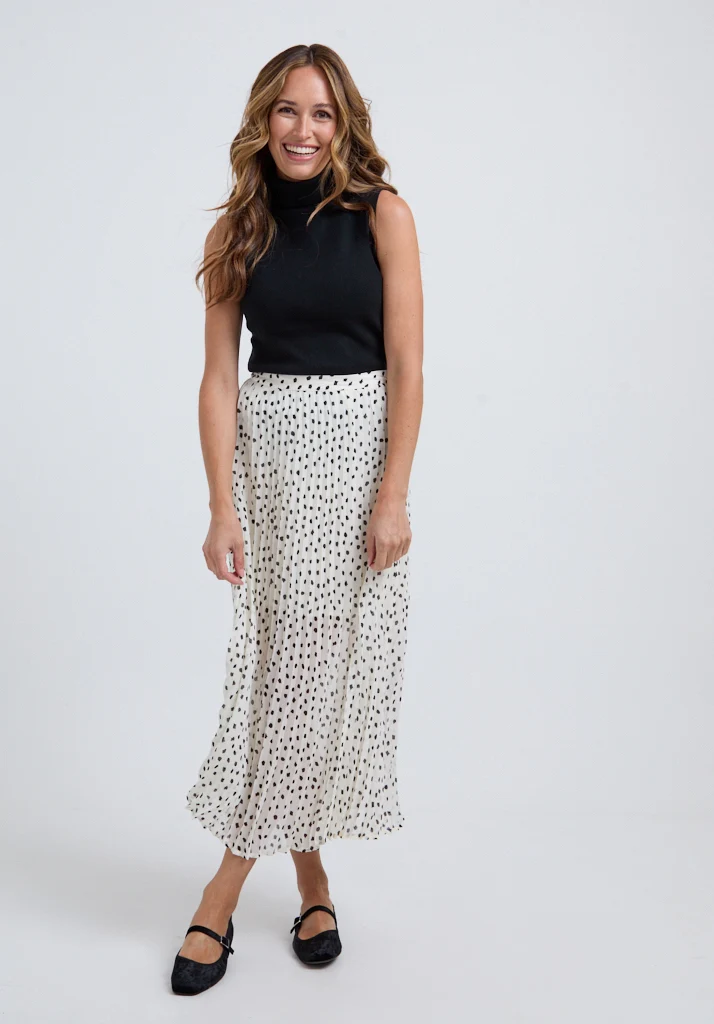
 Tiered SkirtsWhite Midi Tiered Skirts That Fit and Flatter

 White SkirtsWhite Mini Midi Skirts We Love Right Now

 Mesh SkirtsWhite Mesh Midi Skirts We’ve Been Saving

 Leather SkirtsThe White Leather Midi Skirts Your Wardrobe Is Missing

 White SkirtsWhite Denim Midi Skirts to Build Outfits AroundAlso worth a lookMini SkirtsA mini skirt only works if you've decided in advance what you're doing in it, because the length…See the collections →

 Wedding Guest Midi Skirts That Tick Every Box

 Utility Midi Skirts: Our Current Favourites

 Tulle Midi Skirts We’re Adding to Basket

 Tiered SkirtsTiered Midi Skirts to Build Outfits Around

 Tall Midi Skirts: What We’d Buy Now

 Black SkirtsThe Tall Black Midi Skirts We Keep Going Back To

 Striped Midi Skirts That Work From Desk to Dinner

 Split Midi Skirts That Fit and Flatter

 Slit Midi Skirts You’ll Wear Week After WeekAlso worth a lookMaxi SkirtsThe single most useful thing to know is that a maxi skirt lives or dies by how much fabric swings free below the knee.See the collections →

 Lace SkirtsSilver Lace Midi Skirts: What We’d Buy Now

 Sequin SkirtsSequin Midi Skirts on Our Radar

 Satin SkirtsSatin Midi Skirts Actually Worth Buying

 Cotton SkirtsSage Cotton Midi Skirts: The Edit

 Lace SkirtsOur Pick of the Best Sage Lace Midi Skirts

 Lace SkirtsSage Midi Lace Skirts That Tick Every Box

 Pleated SkirtsShop Our Favourite Sage Midi Pleated Skirts

 The Sage Midi Skirts We Swear By


