A decent black sock has a bit of weight to it before you've even got it over your toes, a sort of density in the hand that cheap ones never manage. Pick up a pair that's all air and you already know how the evening's going to go: down round your ankle by lunchtime, visible above your shoe by three. The good ones sit there with a kind of quiet authority, thick at the heel and toe where you'd expect reinforcement, and the welt at the top has actual grip to it rather than just a suggestion of elastic.
The difference between a sock that lasts and one that's bin fodder after four washes is almost entirely in what you can't see on the shelf. A proper cotton or wool blend with a bit of nylon or elastane holds its shape instead of going baggy round the ankle by October. Cheap ones are often dyed in a way that fades to a sort of charcoal grey within a month, which matters more than you'd expect because nothing looks sadder than two black socks in slightly different states of black. Check the toe seam too, a flat one, because a bulky seam under your foot in a shoe you're wearing for eight hours is the kind of small discomfort that ruins your whole opinion of the thing by mid afternoon.
Where black socks let you down is anywhere they're supposed to disappear and don't. Sheer tights or bare ankles with a cropped trouser is not their moment, that's a different drawer entirely. And if you're wearing them with anything pale or sheer on the leg, any slight bobbling or pilling shows through in a way it simply doesn't under denim. I once wore a thin pair under cream wide leg trousers thinking nobody would know, and somebody absolutely knew, because the shadow of the sock showed through the fabric like a bruise. Verdict: wrong sock for that trouser, not a trouser problem.
They're also no good as your only answer for everything. Running, cycling, anything with real sweat and friction wants a proper sports sock with actual cushioning, not a thin office pair stretched into service because it was the nearest black thing in the drawer.
What happens with age is the honest test. The good ones go slightly softer, a touch less structured at the ankle, but hold their colour and their shape through dozens of washes. The bad ones go thin at the heel first, a faint sheen appearing where the friction's worst, and within a season you can see your own skin through them if you hold them up to the light, which I have done, for research purposes, not out of boredom.

 Knee High SocksCosy Black Winter Knee High Socks We Love

 Ankle SocksBlack Wool Ankle Socks to See You Through Winter

 The Black Wool Bed Socks Worth Your Wardrobe Space

 Knee High SocksOur Pick of the Best Black Wool Knee High Socks

 The Only Black Wool Socks You Need to See

 Knee High SocksBlack Work Knee High Socks: Our Top Picks

 Trainer SocksBlack Trainer Ankle Socks: Picks We Stand By

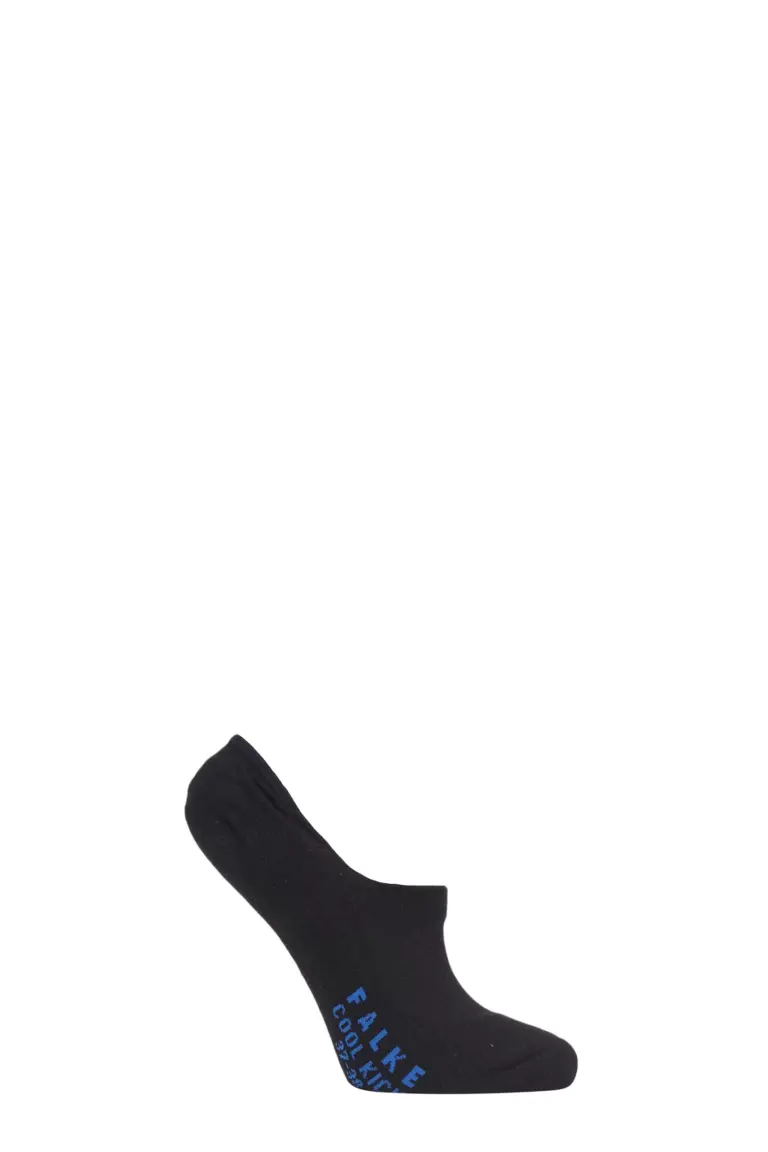 Trainer SocksOur Pick of the Best Black Trainer Socks

 Knee High SocksBlack Thermal Knee High Socks We’re Adding to BasketAlso worth a lookAnkle SocksA good ankle sock has a bit of weight to it even before you put it on, a…See the collections →

 Black Thermal Socks for Colder Days

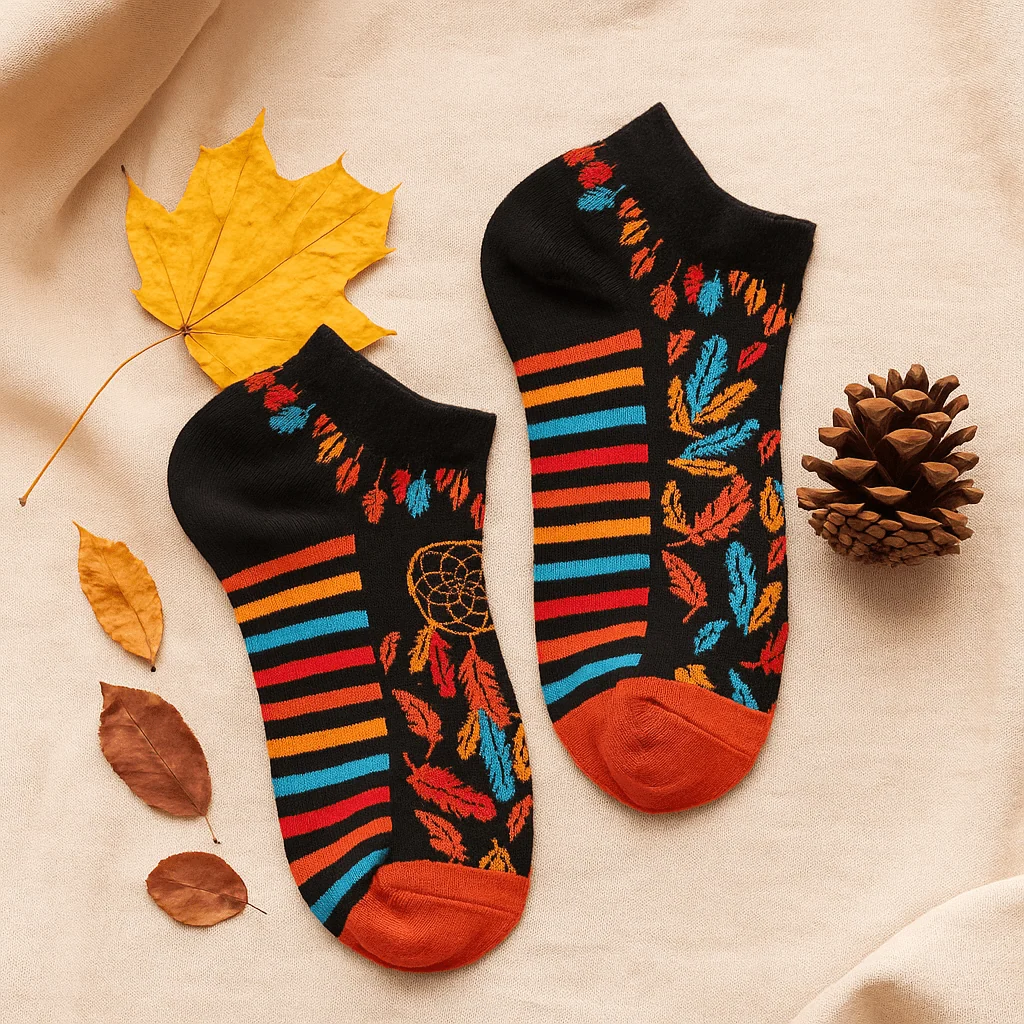 Ankle SocksBlack Thermal Ankle Socks That Have Caught Our Eye
 Where to Find the Best Black Thermal Bed Socks
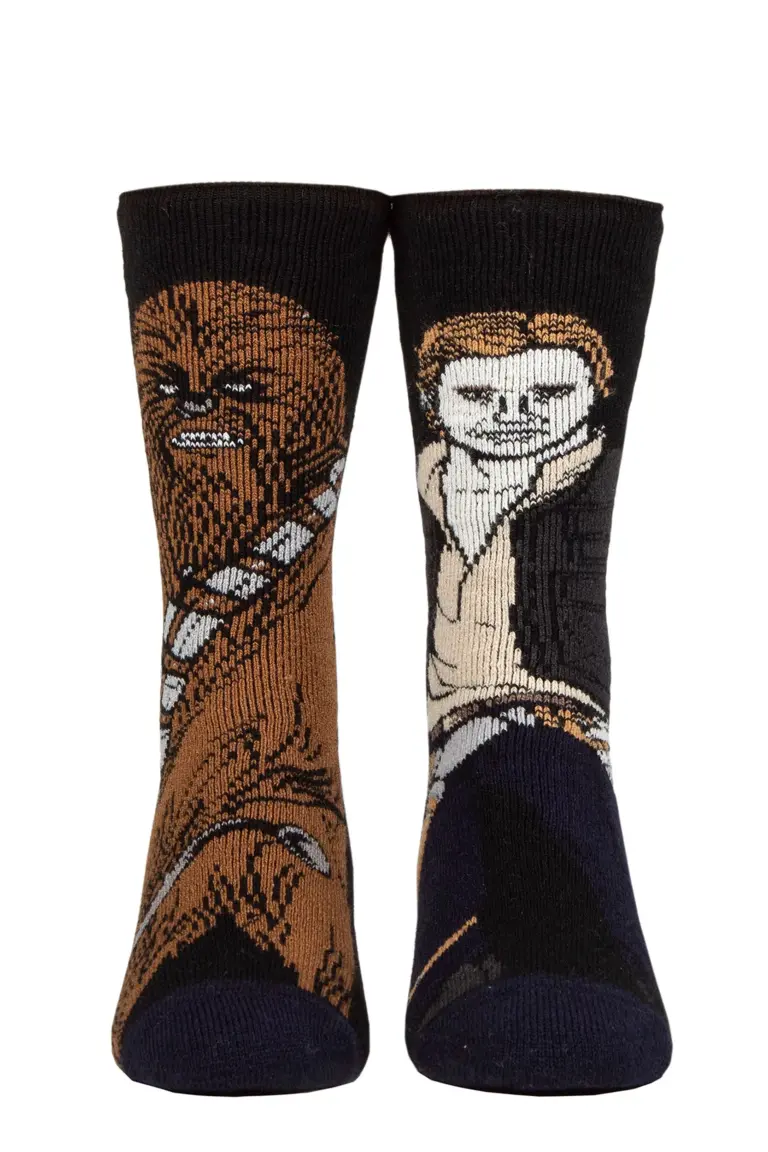
 Ankle SocksBlack Striped Ankle Socks That Feel as Good as They Look

 Knee High SocksBlack Striped Knee High Socks: Our Top Picks

 The Black Striped Socks We Rate for Comfort

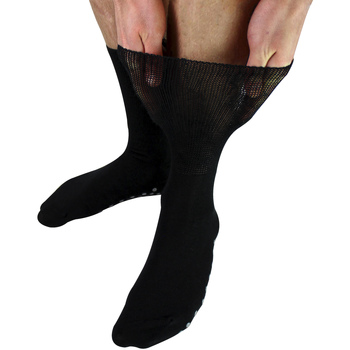 Black Socks: What We’d Buy Now

 Black Short Bed Socks: The Edit
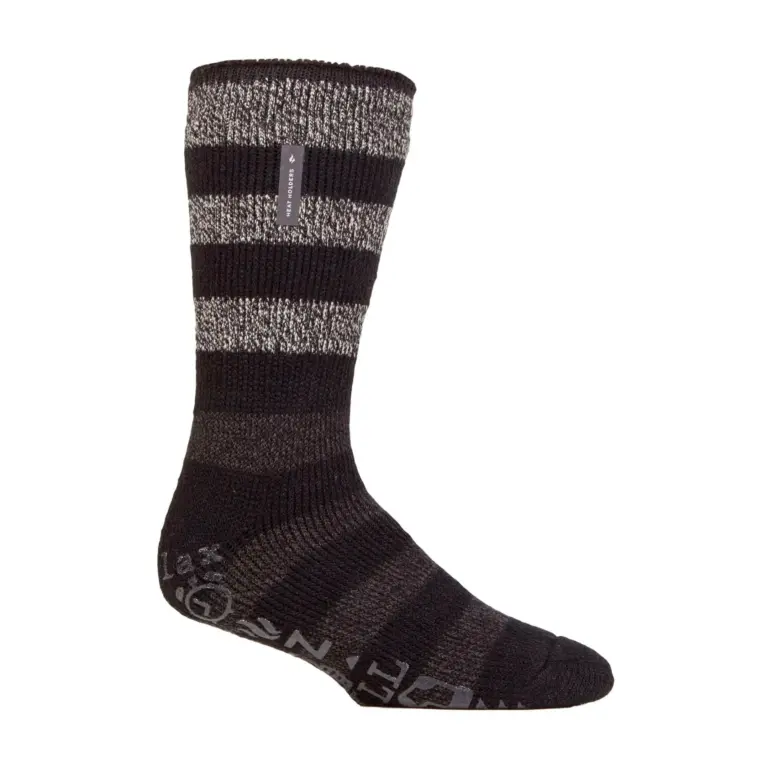
 Black Silk Socks We’re Adding to BasketAlso worth a lookKnee High SocksKnee high socks exist to fill the gap between where a boot ends and a hemline starts, keeping…See the collections →
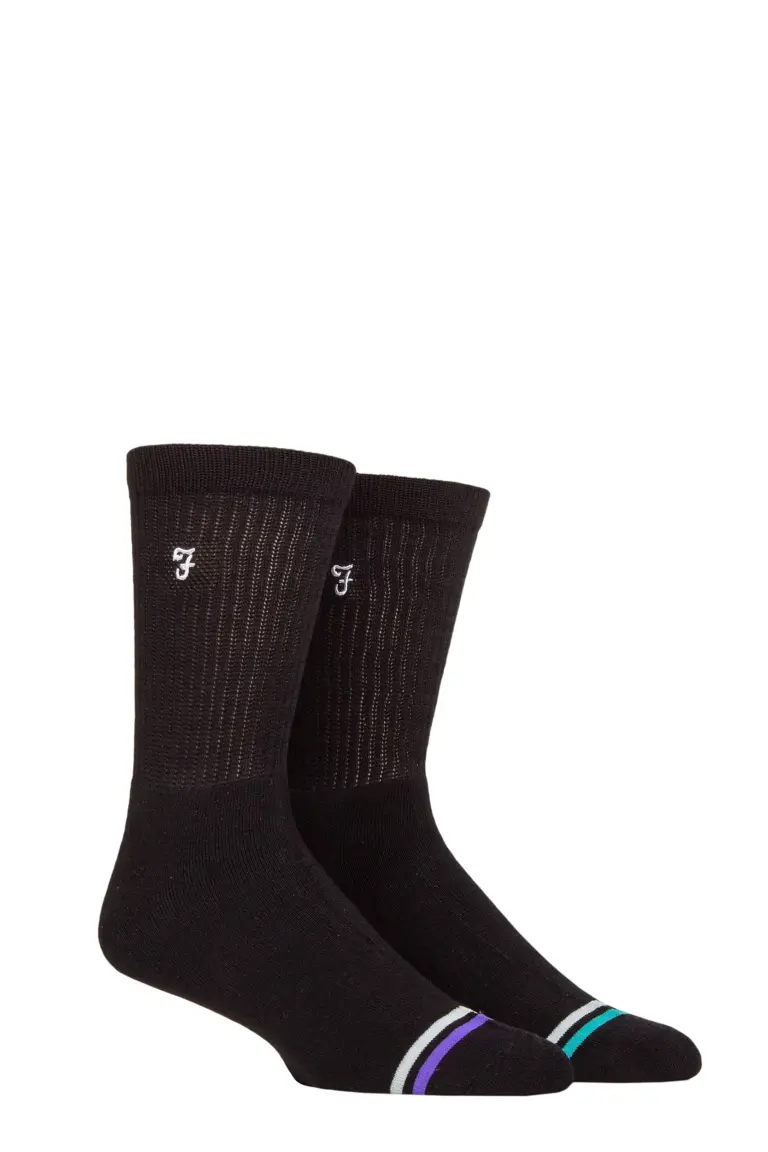
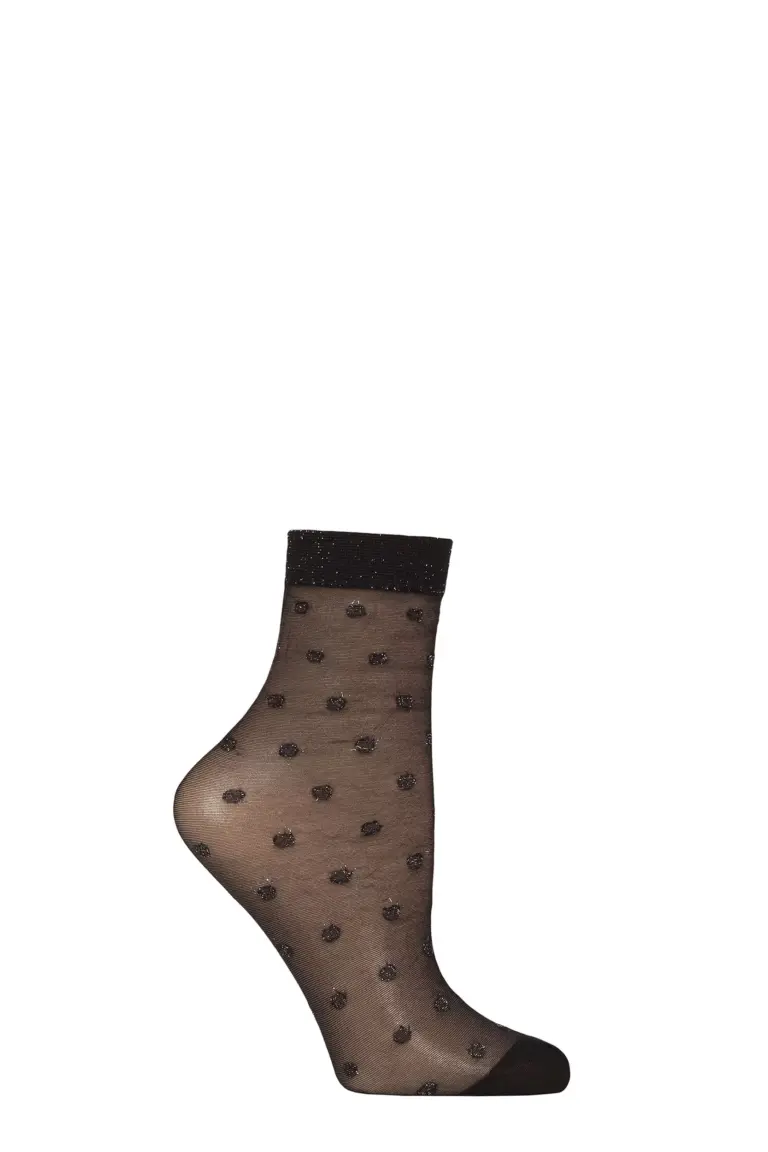 Ankle SocksBlack Sheer Ankle Socks Worth Treating Yourself To

 Knee High SocksOur Kind of Black Sheer Knee High Socks

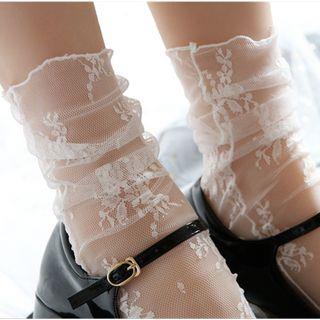 The Best Looking Black Sheer Socks Out There

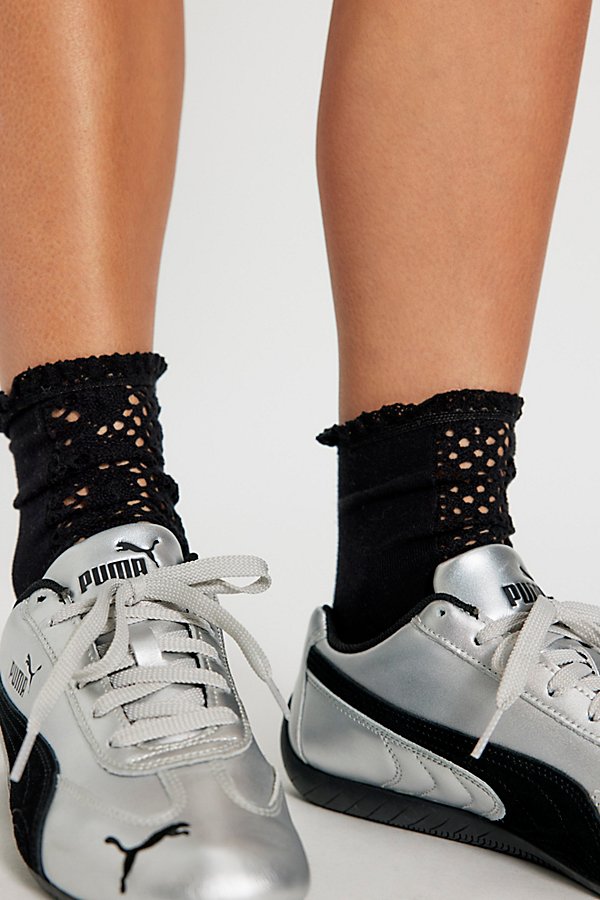 Black Seamed Socks for Feeling Good

 Shop Our Favourite Black Ribbed Bed Socks
 Knee High SocksBlack Ribbed Knee High Socks That Feel Special

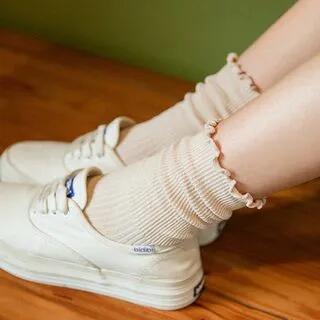 Black Ribbed Socks That Make Mornings Better
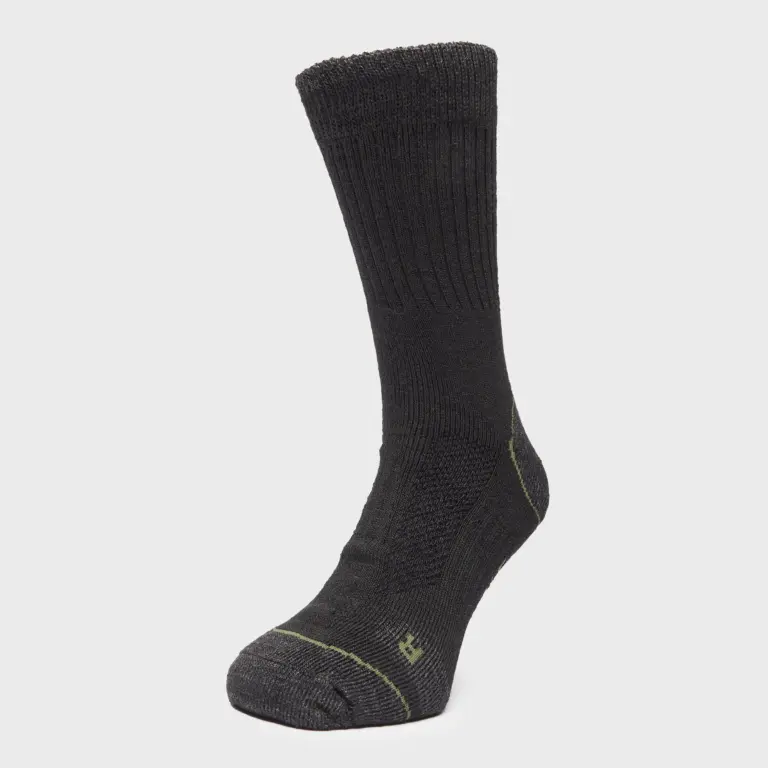
 Trainer SocksBlack Ribbed Trainer Socks Worth Adding to Your Wardrobe
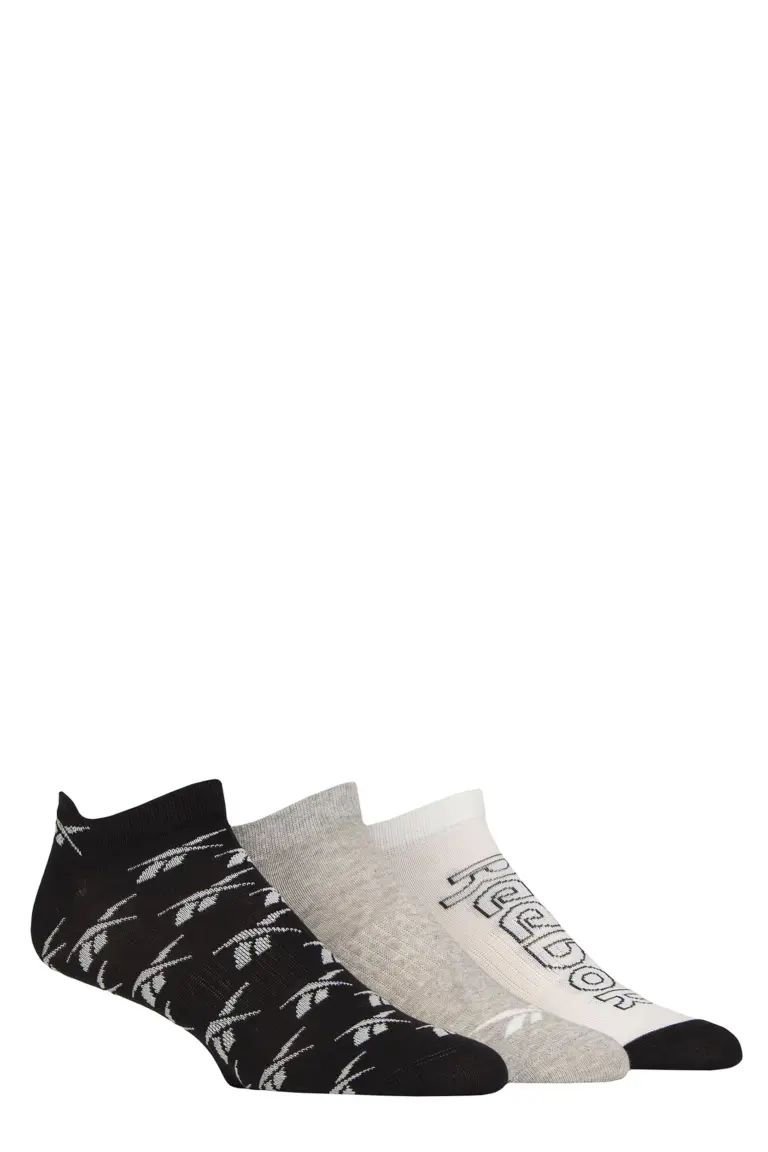
 Ankle SocksThe Black Ribbed Ankle Socks Worth Your Wardrobe SpaceAlso worth a lookTrainer SocksA good trainer sock has a bit of structure to it before it's even on your foot, a…See the collections →

 Black Plus Size Socks We’d Recommend to a Friend
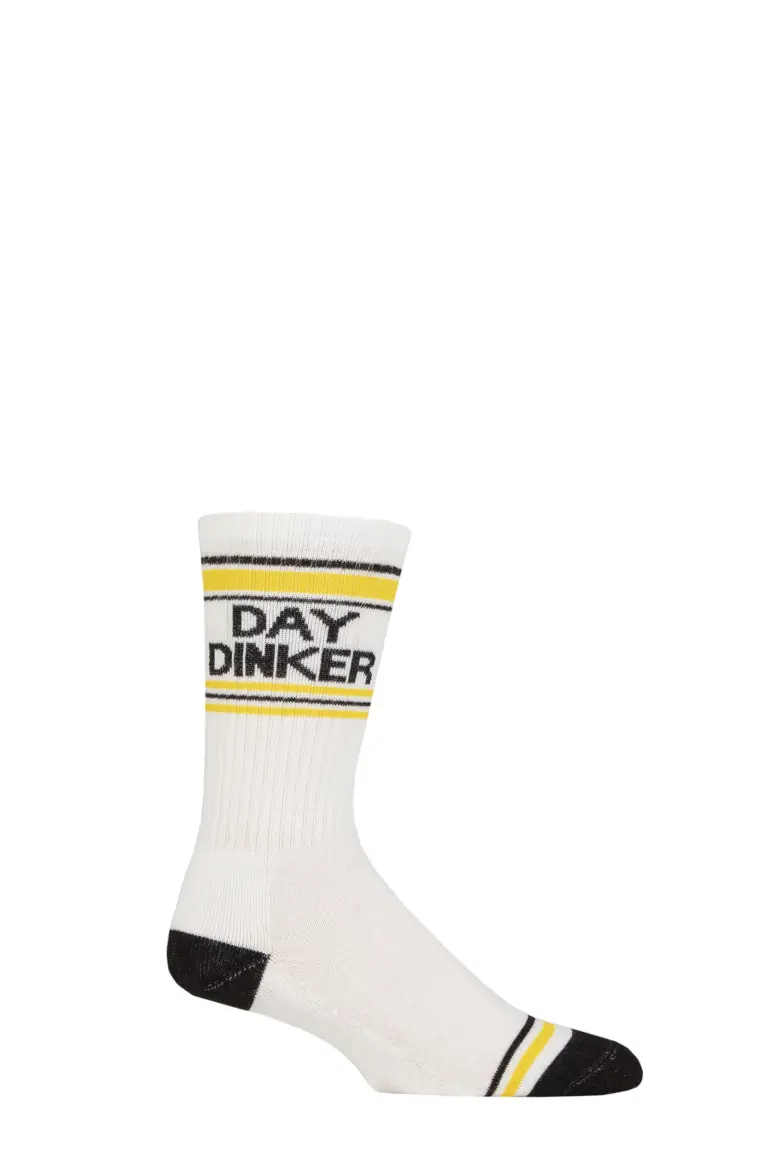
 Black Polka Dot Socks With Real Wardrobe Staying Power

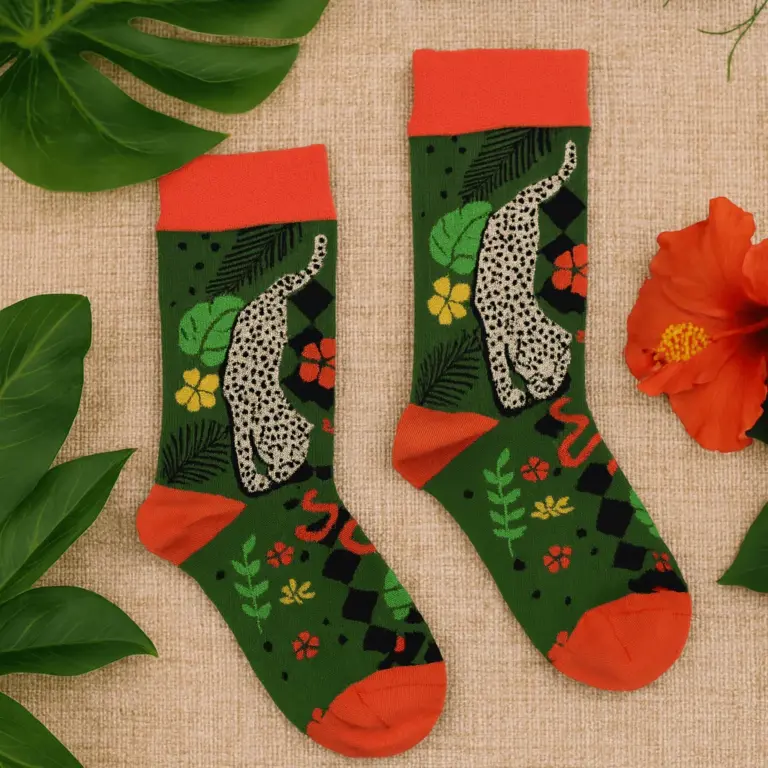 Ankle SocksBlack Patterned Ankle Socks for Feeling Good

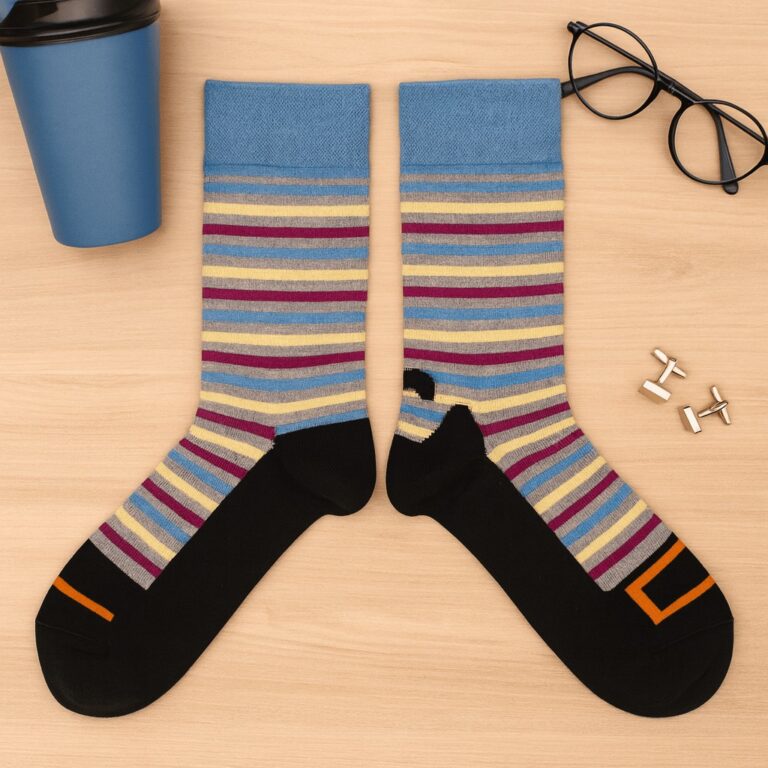 Black Patterned Socks Worth Adding to Your Wardrobe
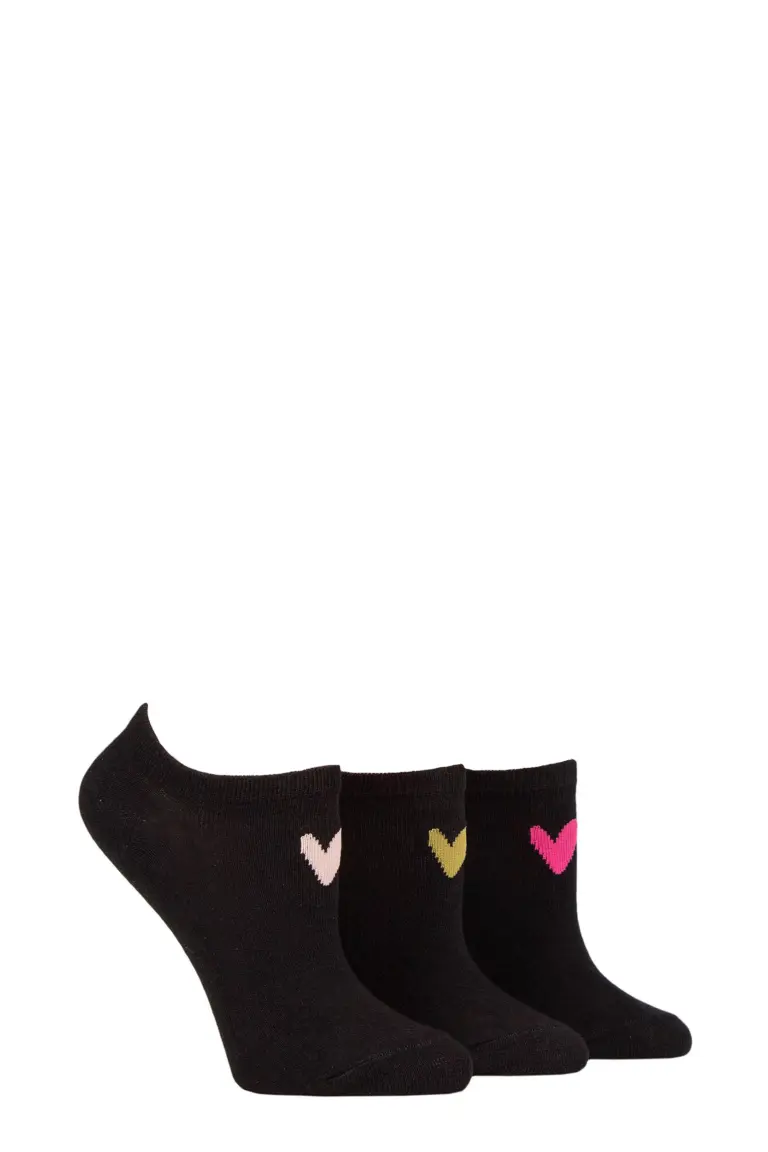
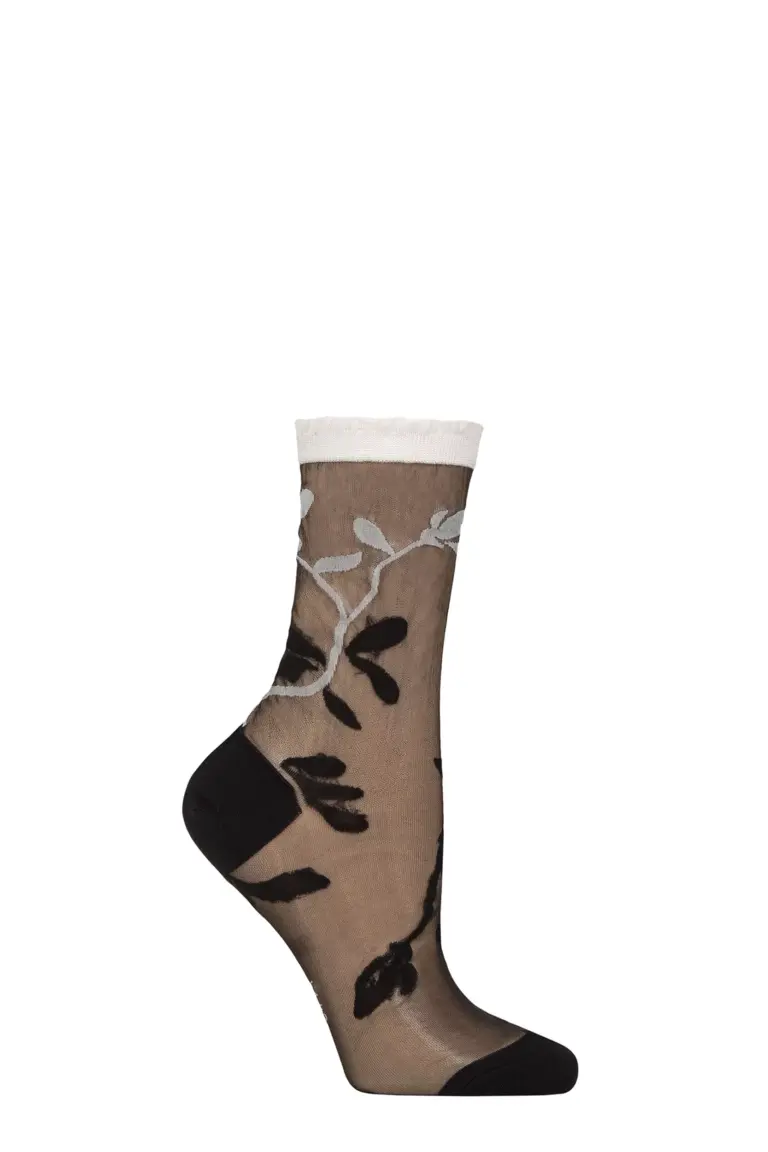 Our Shortlist of Black Opaque Socks

 Shop Our Favourite Black Over the Knee Socks

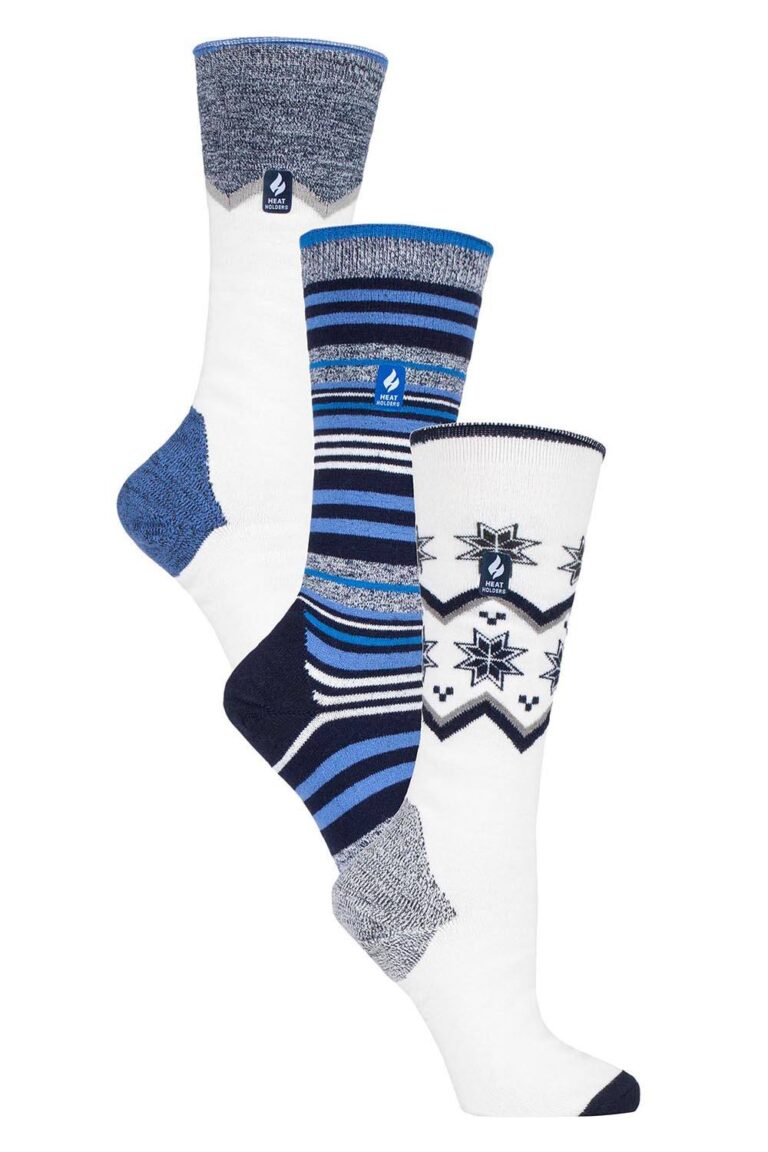 Black Multipack Socks We’ve Been Saving

 Ankle SocksOur Kind of Black Merino Ankle Socks


