A plain cotton top suits almost anyone, which is exactly why so many of them are disappointing. If you want something that moves with you, washes easily and doesn't need thinking about under a jumper or on its own, this is the right category. If you're after structure, a bit of shine, something that holds its shape without any help from you, look elsewhere, because that's not what cotton does and no amount of clever cutting will make it pretend otherwise.
How it wears over time tells you more than how it looks on day one. A good cotton top softens with washing rather than thinning out, and the neckline stays where it started instead of slowly widening into something that shows your bra strap by October. Cheap ones go the other way: the first wash shrinks them slightly, the fifth wash loosens them permanently, and by the tenth the hem's gone wavy and the whole thing hangs differently on one side than the other. Wash it cool, inside out if there's any print, and skip the tumble dryer if you can, because heat is what kills the shape fastest, not the washing itself. A top that's been through a full season of being balled up in a bag after the gym and still looks the same as it did in the shop is one worth holding onto.
The difference between a good one and a bad one is mostly in things you can't always see from a photo. Heavier cotton, the sort with a bit of weight to it, drapes better and doesn't go see through the second you're anywhere warm. Check the side seams, they should sit flat rather than twisting round towards the front, which happens when the fabric's been cut off grain to save money. Ribbed collars and cuffs should spring back when you stretch them gently, not stay stretched, that's your sign the trim has proper elastane in it rather than just looking ribbed. Stitching on the hem should be even and close, not wide loops that'll catch on a zip the first time it goes in the wash with something else.
In the shop, hold it up to the light to check it isn't thinner than it looks on the hanger, and give the shoulder seams a tug, because loose or wonky stitching there is usually a sign the rest of the construction is just as careless. Try it with your arms raised, the way you'd actually reach for something, and see whether the hem stays down or rides up to your ribs. The good ones don't move. And the real pleasure, once you've found one, is pulling it out of a drawer after a long day and it still smells faintly of the wash, not of the shop.

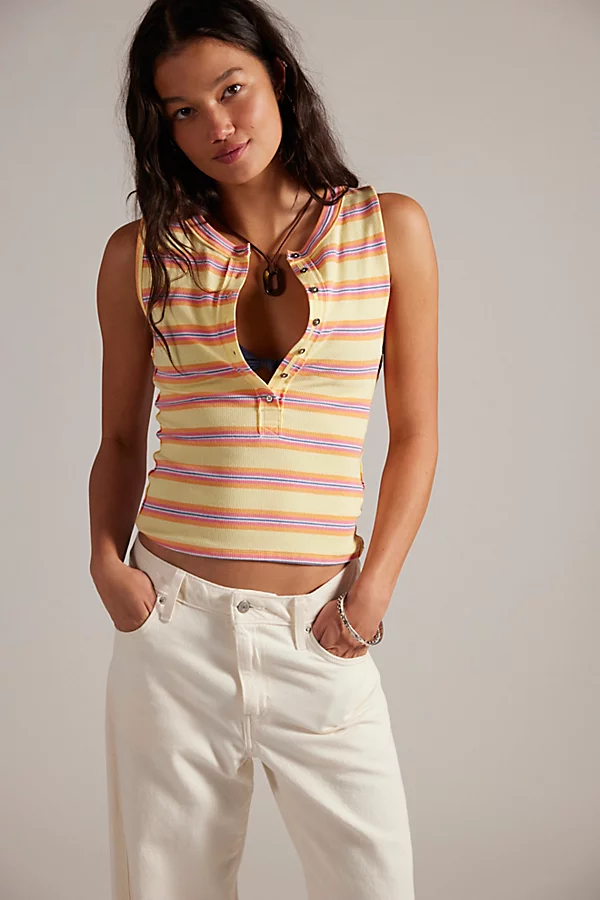 Ribbed TopsThe Yellow Cotton Ribbed Tops We Keep Going Back To

 Yellow Cotton Tank Tops Worth Layering

 Yellow Cotton Tops: Picks We Stand By

 Long Sleeve TopsYellow Cotton Long Sleeve Tops for Off Duty Days

 White TopsWhite Cotton Tank Tops We Love Right Now

 White TopsWhite Cotton Tops We Can’t Stop Looking At

 White TopsEveryday White Cotton Vests We Love

 White TopsShop the Edit: White Cotton Vest Tops

 White TopsOur Pick of the Best White Cotton Cami TopsAlso worth a lookShirtsYou can spot a good shirt from across a room by the collar.See the collections →

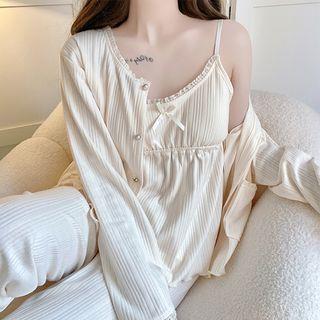 White TopsWhite Cotton Camisoles Picked by Us

 Going Out TopsWhite Cotton Going Out Tops: The Ones Worth Your Money

 White TopsThe White Cotton Lace Tops Your Wardrobe Is Missing

 White TopsWhite Cotton Long Sleeve Tops With Real Wardrobe Staying Power

 Mesh TopsWhite Cotton Mesh Tops to Pair With Everything

 Peplum TopsWhite Cotton Peplum Tops We Think You’ll Love

 Ribbed TopsShop Our Favourite White Cotton Ribbed Tops

 Ribbed TopsSilver Cotton Ribbed Tops That Tick Every Box

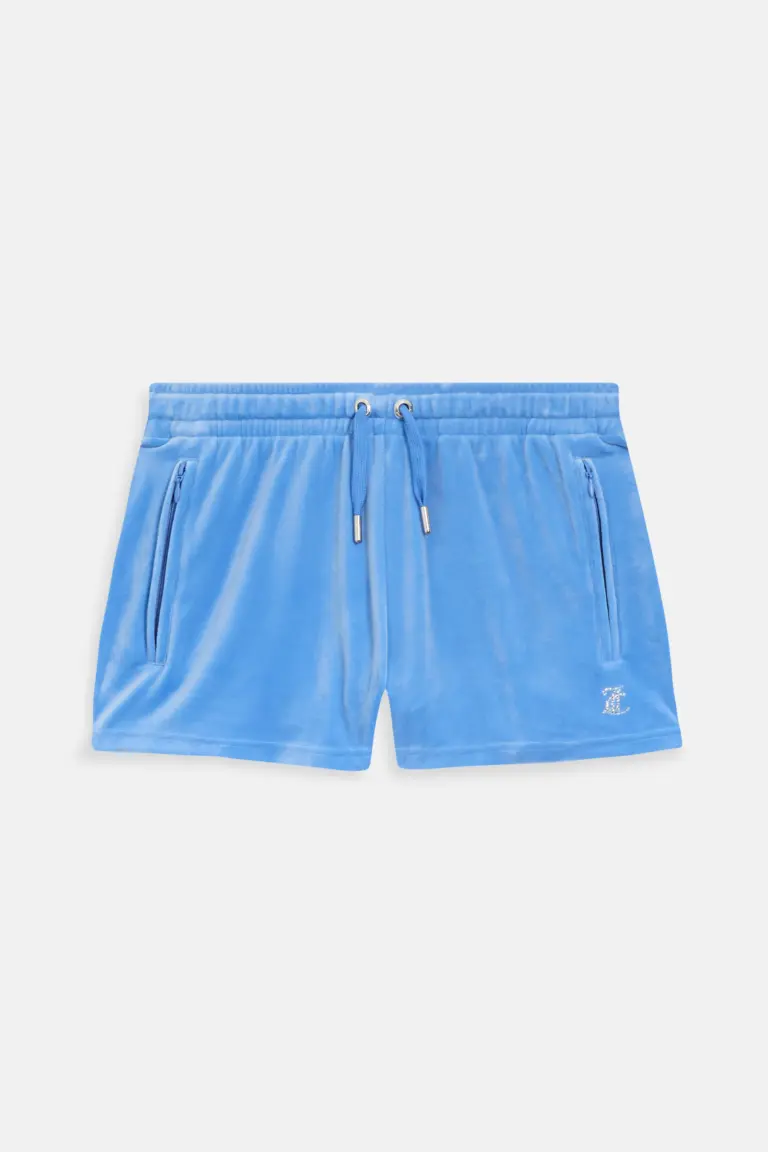 The Edit: Silver Cotton TopsAlso worth a lookT-ShirtsThe one I reach for is the morning I can't decide what I'm doing with my day, meeting…See the collections →

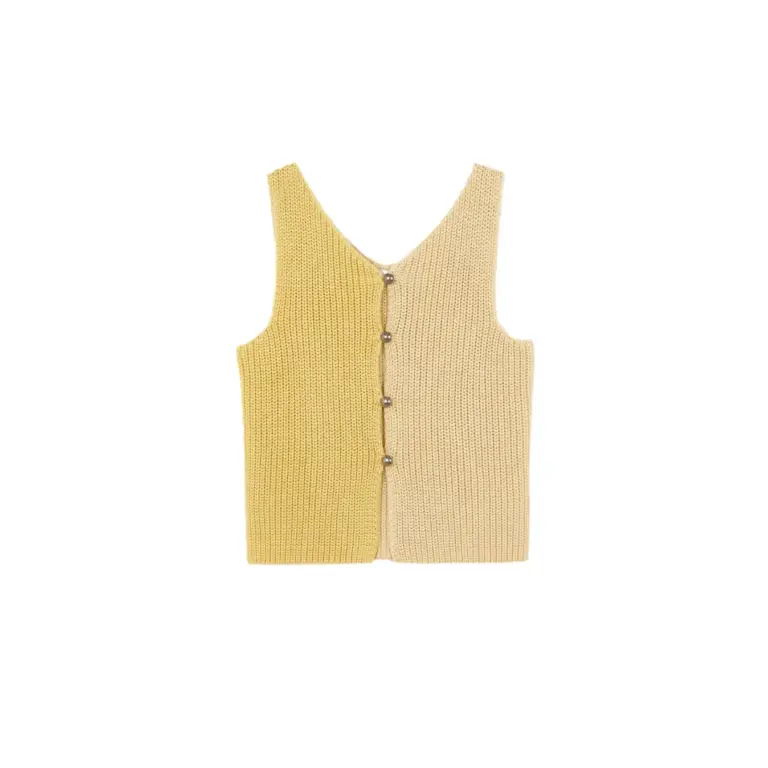 Silver Cotton Vest Tops We’ve Been Saving

 Sage Cotton Tops: Our Honest Shortlist

 Red TopsRed Cotton Lace Tops: Our Top Picks

 Red TopsRed Cotton Mesh Tops We Think You’ll Love

 Red TopsRed Cotton Ribbed Tops We’d Buy Again

 Red TopsHandpicked Red Cotton Tank Tops We Keep Coming Back To

 Red TopsEasy Red Cotton Tops for Everyday Wear

 Red TopsRed Cotton Vests: Picks We Stand By

 Red TopsRed Cotton Vest Tops to Wear With Your Favourite JeansAlso worth a lookBlack TopsA black top is the thing you reach for when you can't decide what else to wear, or…See the collections →

 Red TopsOur Edit of the Best Red Cotton Wrap Tops

 Red TopsCosy Red Cotton Knitted Tops We Love

 Ribbed TopsPurple Cotton Ribbed Tops That Go With Everything

 Our Favourite Purple Cotton Tops

 Purple Cotton Vests Worth Layering

 Our Edit of the Best Purple Cotton Vest Tops

 Pink TopsPink Cotton Vest Tops: The Ones Worth Your Money

 Pink TopsThe Pink Cotton Wrap Tops Your Wardrobe Is Missing


