The first thing I do with a cream top is hold it up to the window, not a mirror, because a mirror flatters and a window tells the truth. Thin patches, see through seams, a fabric that's basically cheesecloth with ambition, all of it shows against daylight in a way it never does under shop lighting.
Cream does its best work from about March through to October, in my experience, because it sits against most skin tones more gently than white and looks pulled together under a blazer without any real effort going into it. I've worn one to a parents' evening, another to a lunch that turned into drinks nobody planned for, and a third under a denim jacket on a perfectly ordinary Tuesday. It goes with navy without reading as a uniform, it sits well against camel and tan once the weather turns, and gold jewellery flatters it far more than silver does. Jeans, tailored trousers, a plain midi skirt, none of it needs to shout because the colour is already doing most of the talking.
Where a cream top usually lets you down is in the fabric, and it tends to happen fast, sometimes within a season and sometimes within a handful of washes. A cheap one goes slightly grey at the cuffs and underarms long before a white top would, because any dulling shows up against that warmer base straight away. A well made one has a bit of weight and body to it, proper stitching along the seams rather than one thin overlocked line that puckers the first time it goes through a tumble dryer, and buttons that feel like they'll see out more than a couple of washes before the thread starts to give. If there's a lining, check it under a bright light before buying, because a thin one goes see through exactly across the chest and no amount of careful washing undoes that once it's happened. A good top comes out of the wash bag looking the same shape it went in, not stretched at the neckline or shrunk half an inch at the hem.
If you're between sizes, go up rather than down, because cream shows every pull and seam line a size too small leaves behind.

 Curve Friendly Picks: Plus Size Cream Tops
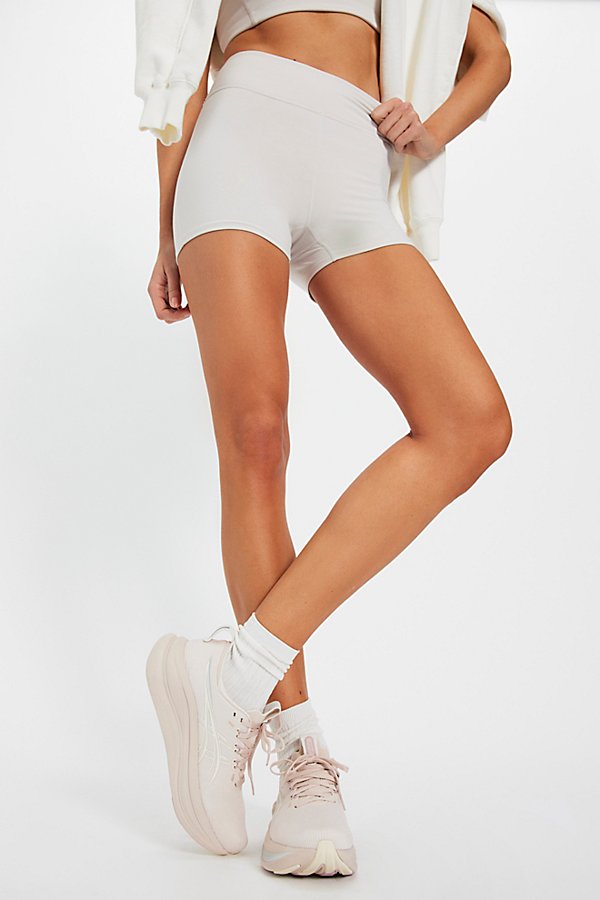
 Petite Cream Tops to Pair With Everything

 The Best Looking Cream Tops Out There

 Cream Velvet Tops That Tick Every Box

 Cream Vest Tops: Our Honest Shortlist

 Wrap TopsHandpicked Cream Wrap Tops We Keep Coming Back To

 Zip TopsThe Cream Zip Tops We Keep Going Back To

 Cream Sweat Tops That Work Hard in Your Wardrobe

 Cream Tank Tops: What We’d Buy NowAlso worth a lookShirtsYou can spot a good shirt from across a room by the collar.See the collections →

 Sleeveless TopsCream Sleeveless Vest Tops We’d Recommend to a Friend

 Zip TopsOur Go To Cream Soft Touch Zip Tops

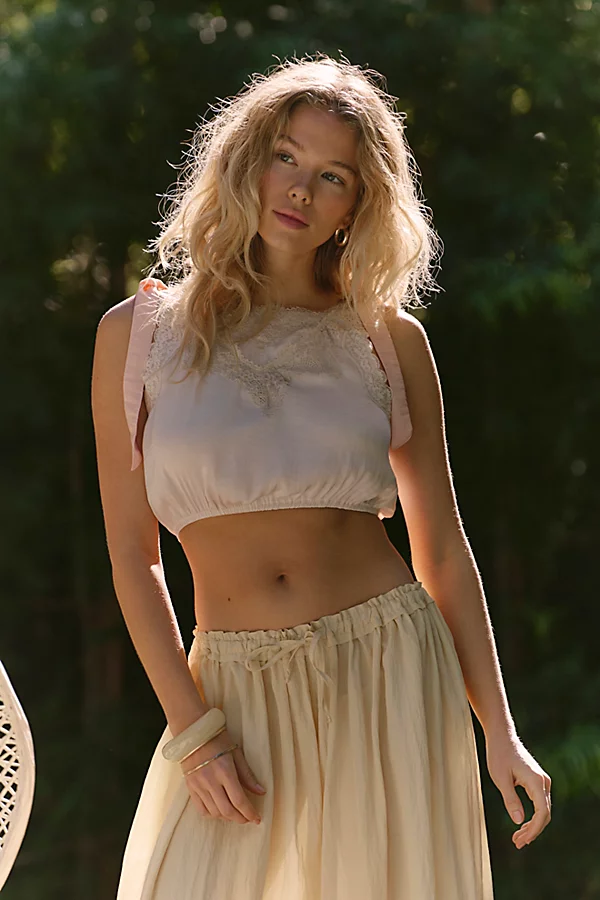 Satin TopsShop Our Favourite Cream Satin Lace Tops

 Satin TopsThe Prettiest Cream Satin Tops Around Right Now

 Sequin TopsCream Sequin Cami Tops Picked by Us

 Sequin TopsCream Sequin Tops: Our Honest Shortlist

 Sheer TopsCream Sheer Lace Tops That Work Hard in Your Wardrobe

 Sheer TopsCream Sheer Mesh Tops Edited Down to the Best

 Sheer TopsCream Sheer Tops We’d Recommend to a FriendAlso worth a lookT-ShirtsThe one I reach for is the morning I can't decide what I'm doing with my day, meeting…See the collections →

 Cream Short Sleeve Tops We Can’t Stop Looking At

 Cream Silk Tops That Make Outfits Feel New
 Sleeveless TopsCream Sleeveless Cami Tops We Think You’ll Love

 Sleeveless TopsThe Cream Sleeveless Tops Your Wardrobe Is Missing

 Knitted TopsOur Shortlist of Cream Ribbed Knitted Tops

 Ribbed TopsOur Favourite Cream Ribbed Long Sleeve Tops

 Ribbed TopsOur Pick of the Best Cream Ribbed Tops

 Ribbed TopsFinding the Best Cream Ribbed Vest Tops

 Satin TopsCream Satin Cami Tops We Can’t Stop Looking AtAlso worth a lookBlack TopsA black top is the thing you reach for when you can't decide what else to wear, or…See the collections →

 Long Sleeve TopsCream Oversized Long Sleeve Tops for Off Duty Days

 Peplum TopsCream Peplum Tops to Wear With Your Favourite Jeans

 Zip TopsThe Cream Pocket Zip Tops Shortlist

 The Cream Puff Sleeve Tops Shortlist

 Mesh TopsThe Prettiest Cream Mesh Tops Around Right Now

 Knitted TopsThe Best Looking Cream Long Sleeve Knitted Tops Out There

 Ribbed TopsThe Only Cream Long Sleeve Ribbed Tops You Need to See

 Long Sleeve TopsCream Long Sleeve Tops That Feel Special


