I put off linen shirts for years because the first one I owned creased if I so much as looked at it, and by lunchtime I looked like I'd slept in a hedge. What changed was trying one on in a size up from my usual and realising the crumple is meant to happen, it's part of the point, and once I stopped fighting it I actually started reaching for the thing.
Sizing is where most people go wrong with these, including me the first time round. Linen has almost no stretch, so if you buy your normal size expecting a bit of give like you'd get with cotton jersey, you'll end up with something that pulls across the back and gapes at the button. Go a size up from what you'd usually pick, or look for one cut generously through the body, and check the shoulder seam sits where your shoulder actually ends rather than halfway down your arm. Sleeve length matters more than you'd think too, because linen that's too short in the arm looks like you've grown out of it, whereas a proper length rolls up nicely and stays rolled. If you're between sizes, go bigger. A linen shirt that's slightly too small never redeems itself.
Colour wise, I've learned to trust the ones that don't try too hard. White is lovely for about a week and then starts looking tired unless you're fastidious with it, so I've had more luck with oatmeal, a soft stone, or a faded denim blue, all of which hide the inevitable creasing and the odd mark far better. Dark navy and black can look brilliant but they show every crease like a shadow, so they want a slightly less crumpled weave if you're going dark. The colours that have earned their place in my actual rotation are the ones that look deliberately undone rather than accidentally scruffy.
The difference between a good one and a disappointing one comes down to weight and weave before anything else. A cheap linen shirt is often too thin, almost see through, and goes limp rather than soft after a single wash. A good one has some actual substance to the fabric, a bit of texture you can feel between your fingers, and it keeps its shape at the collar and cuff instead of curling like old paper. Check the buttons too, proper ones have a bit of weight and don't crack the first time you catch one on a doorframe, and the side seams should sit flat rather than puckering the moment you move. The best ones soften with every wash rather than wearing thin, and there's a particular pleasure in pulling one straight off the airer, slightly cool, slightly rumpled, and knowing it's only going to get better from here.

 Our Favourite Yellow Linen Shirts

 Cotton ShirtsThe Yellow Cotton Linen Shirts Worth Your Wardrobe Space

 Wrap Linen Shirts That Feel Special

 Work Linen Shirts That Earn Their Place

 White ShirtsWhite Tie Front Linen Shirts: Picks We Stand By

 White ShirtsWhite Slim Fit Linen Shirts for Sunny Days Ahead

 White ShirtsWhite Short Sleeve Linen Shirts We’d Buy Again

 White ShirtsThe White Linen Oversized Shirts Your Wardrobe Is Missing

 White ShirtsWhite Long Sleeve Linen Shirts That Go With EverythingAlso worth a lookDenim ShirtsThat stretch between seasons, when it is not quite warm enough for nothing and not cold enough for a coat, is when a denim shirt earns its spot.See the collections →

 White ShirtsShop the Edit: White Linen Denim Shirts

 White ShirtsWhite Cut Out Linen Shirts We Love Right Now
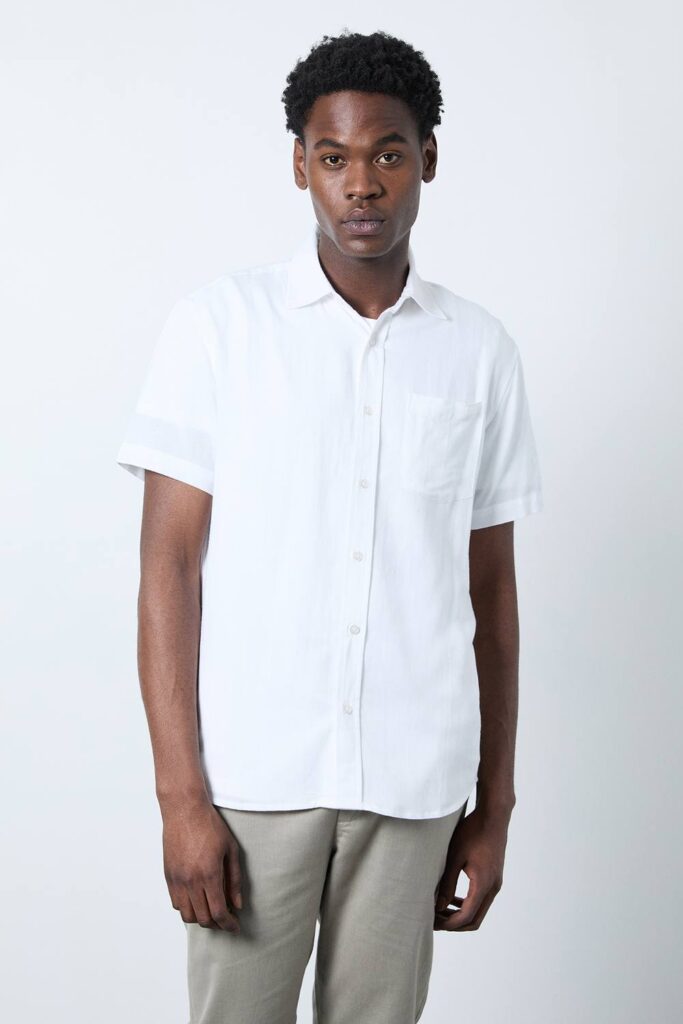
 White ShirtsOur Kind of White Denim Linen Shirts
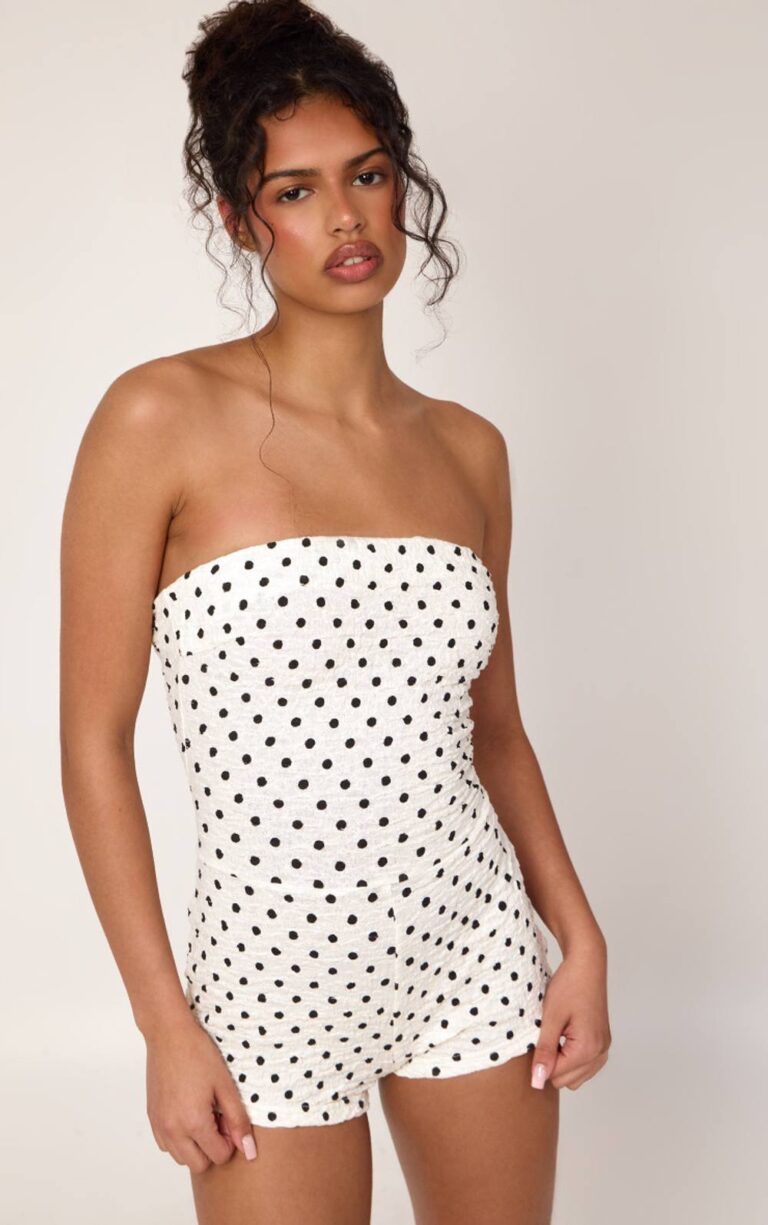
 White ShirtsWhite Cropped Linen Shirts on Our Radar

 Cotton ShirtsWhite Cotton Linen Shirts Worth Adding to Your Wardrobe

 White ShirtsWhite Button Linen Shirts: Our Current Favourites

 V Neck Linen Shirts We Rate

 White ShirtsThe Edit: Tall White Linen Shirts

 Tall Linen Shirts We’re Adding to BasketAlso worth a lookOversized ShirtsAn oversized shirt is the thing you put on when you want to look like you've made an effort without doing any of the usual work.See the collections →

 Sleeveless Linen Shirts That Tick Every Box

 Handpicked Silver Linen Shirts We Keep Coming Back To

 Our Favourite Short Sleeve Linen Shirts

 Sheer Linen Shirts Worth Layering

 Sequin Linen Shirts We’ve Been Saving

 Ruffle Linen Shirts That Go With Everything

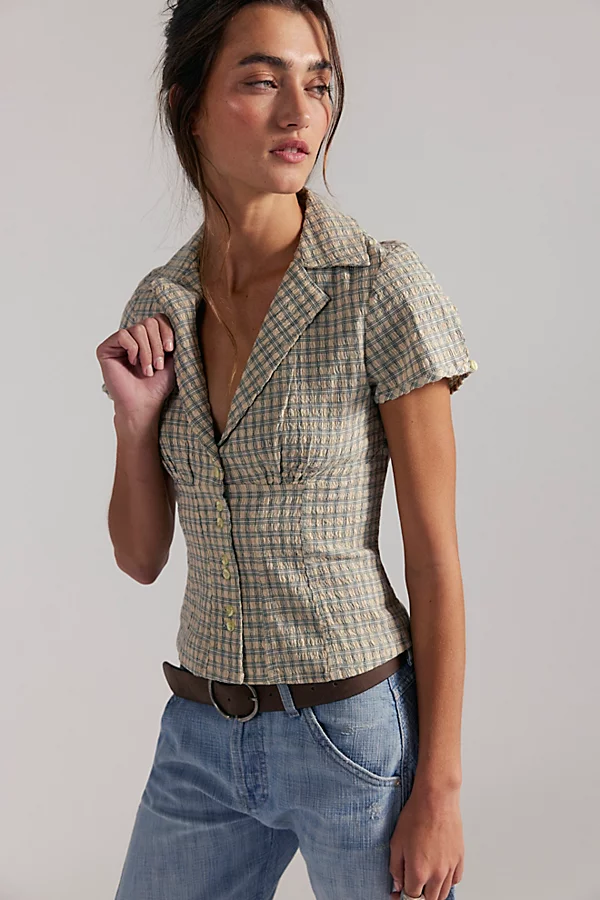 Ruched Linen Shirts: The Ones Worth Your Money

 Ribbed Linen Shirts to Pack for Your Holiday

 Red Linen Shirts for Warmer DaysAlso worth a lookBlack ShirtsI avoided black shirts for years because I assumed they'd all be the same flat, slightly funereal thing,…See the collections →
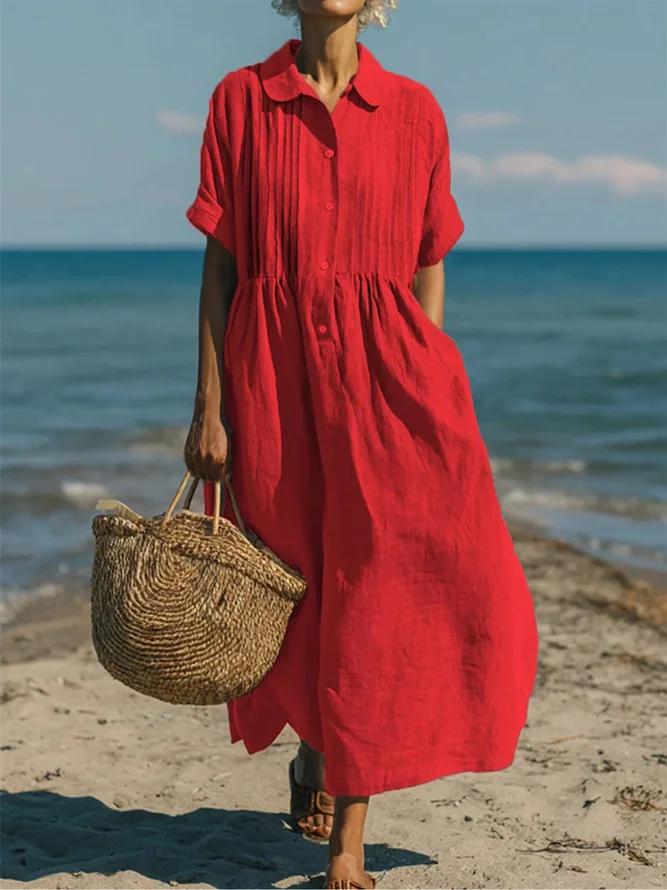
 Cotton ShirtsThe Red Cotton Linen Shirts Your Wardrobe Is Missing

 Our Shortlist of Puff Sleeve Linen Shirts

 Printed Linen Shirts That Go With Everything

 Cotton ShirtsPink Cotton Linen Shirts We Think You’ll Love

 Petite Linen Shirts We Love Right Now

 Where to Find the Best Party Linen Shirts

 Oversized ShirtsOversized Linen Shirts We Think You’ll Love

 One Shoulder Linen Shirts to Pack for Your Holiday


