Running trainers have a reputation for being the one purchase worth taking seriously, and for once I think that reputation is earned. People treat the rest of their footwear as fashion and their trainers as engineering, and that's broadly the right split. Where I land is simple: spend properly on these, because they're the one item on your feet actually working against impact, repeatedly, for miles at a time.
They're the wrong choice the moment they leave the gym or the pavement and head anywhere a shoe needs to look like a decision rather than an accident. They don't do smart casual, they don't do a wet hike over rocks, and treating them as your only shoe for every kind of movement is how you end up with sore knees and a shoe that's dead within a few months instead of a year. On fit, go a half size up from your usual, because feet swell on a long run and swell more in heat, and there should be a thumb's width of space at the longest toe when you're standing. Width matters more than most people check, a shoe that's snug at the widest part of the foot will tell you about it at mile four, not at the till. Heel slip in the shop usually settles once laced properly, but if your heel is lifting with the laces done up tightly, that's not a shoe that beds in, that's the wrong last for your foot. On colour, light neutrals and greys show grit and mud within a fortnight, which is fine if you don't mind them looking used, but a mid grey or navy with a contrast sole hides the honest reality of a wet winter route far better than white ever will. A well made pair has a secure, well bonded upper that doesn't separate from the sole after a few damp runs, a midsole that still has bounce after a thumb press rather than feeling flat and dead, and a heel counter with proper structure rather than something that collapses the moment you pull the shoe on. Cheap versions cut corners on the outsole rubber first, so check the tread depth and pattern, because a smooth, thin sole is the first thing to go on wet pavement. Seasonally, a more breathable mesh upper is miserable in persistent drizzle and genuinely necessary in July, so if you only own one pair, something in between suits most of the year better than either extreme.
Let them air out properly between runs rather than shoving them straight back in a bag, and never put them through a hot wash or a tumble dryer, the glue and foam will not thank you for either.

 The Best Looking Zip Running Trainers Out There

 The Woven Running Trainers Worth Your Wardrobe Space

 Work Running Trainers for Monday to Friday

 Wide Fit TrainersWide Fit White Running Trainers That Are Actually Comfortable

 Wide Fit TrainersOur Shortlist of Wide Fit Navy Running Trainers

 Wide Fit TrainersWide Fit Blue Running Trainers That Go With Everything

 Suede TrainersStandout White Suede Running Trainers to Shop
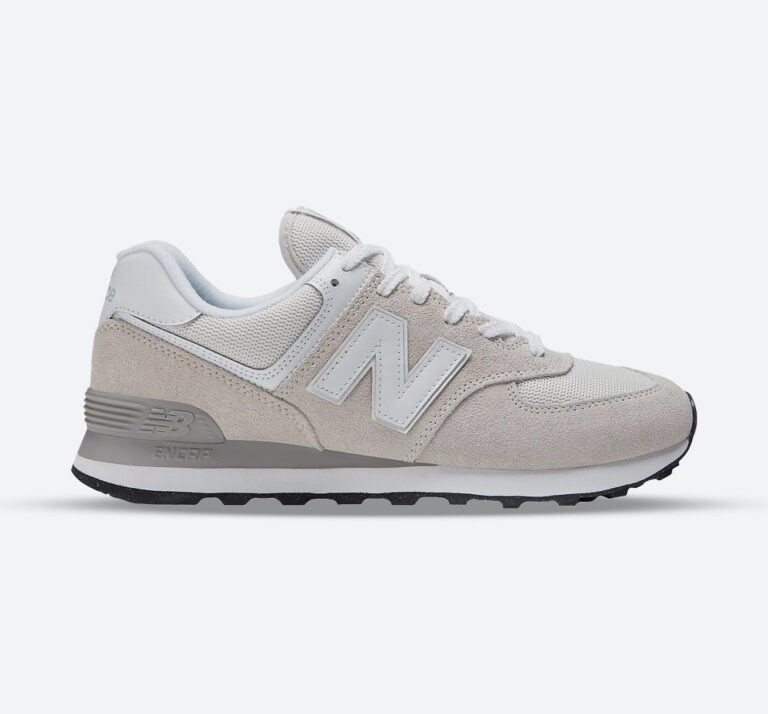
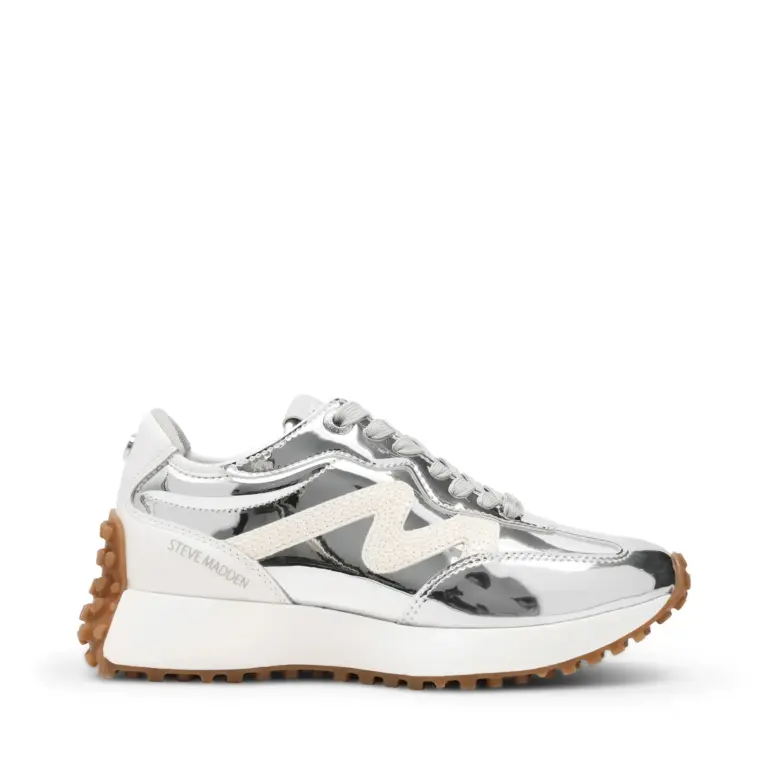 White TrainersWhite Slip On Running Trainers We’d Happily Wear Out the Door

 Rubber TrainersThe White Rubber Running Trainers ShortlistAlso worth a lookWhite TrainersI kept white trainers off my feet for years because I knew exactly how they'd end up, grey at the toe within a fortnight and never white again.See the collections →

 White TrainersWhite Running Trainers We Think You’ll Love
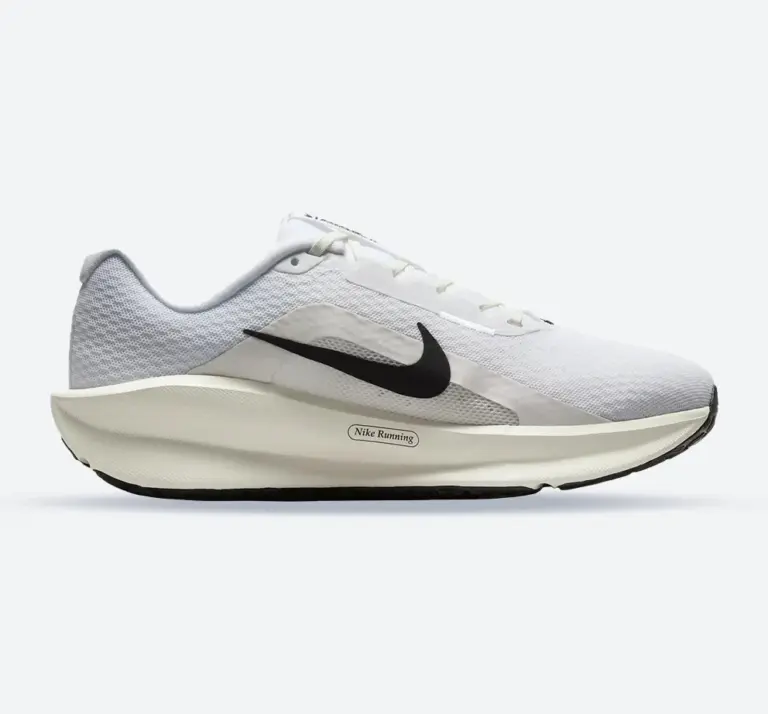
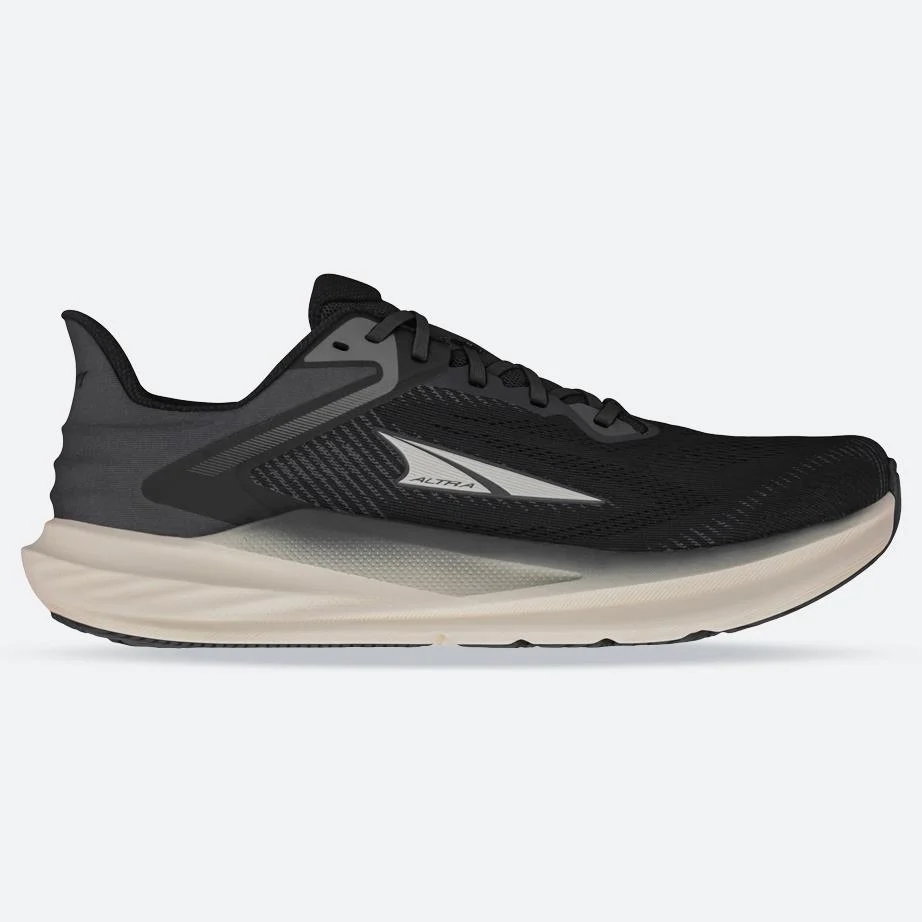 Platform TrainersComfortable White Platform Running Trainers That Still Look Good
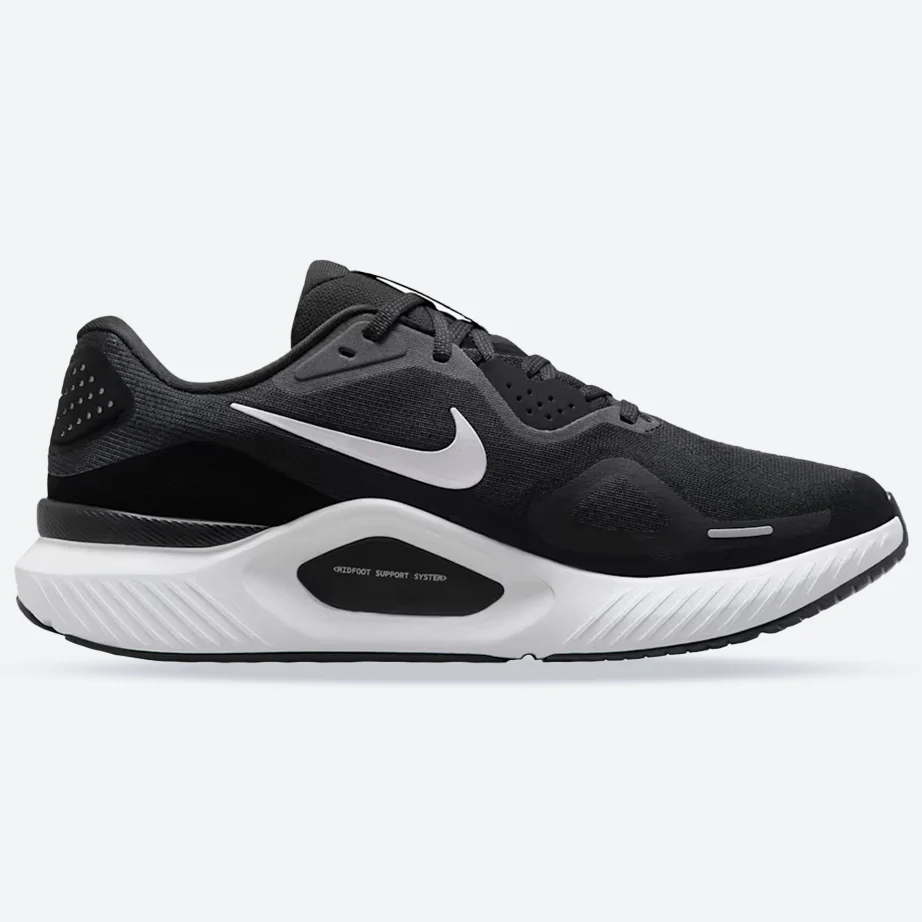
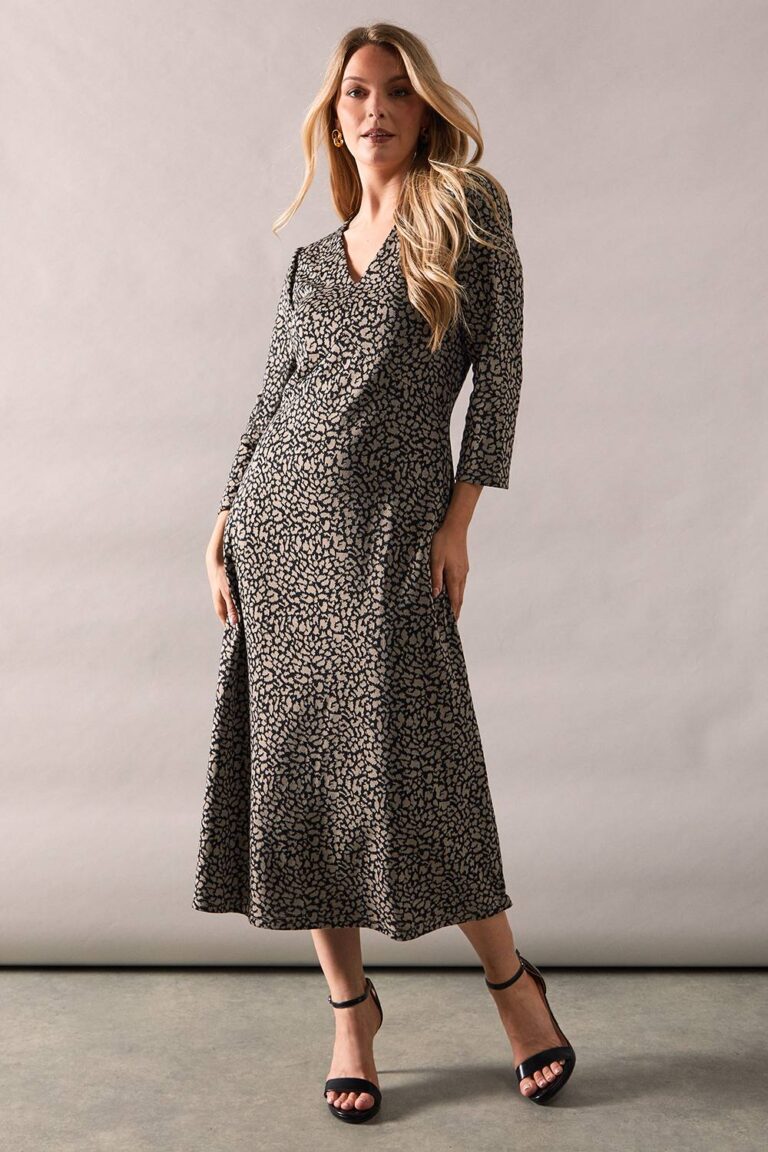 Leather TrainersStandout White Leather Running Trainers to Shop

 White TrainersWhite High Running Trainers We Think You’ll Love

 White TrainersOur Pick of the Best White Cut Out Running Trainers

 White TrainersShop the Edit: White Comfort Running Trainers

 Chunky TrainersWhite Chunky Running Trainers With Real Wardrobe Staying Power

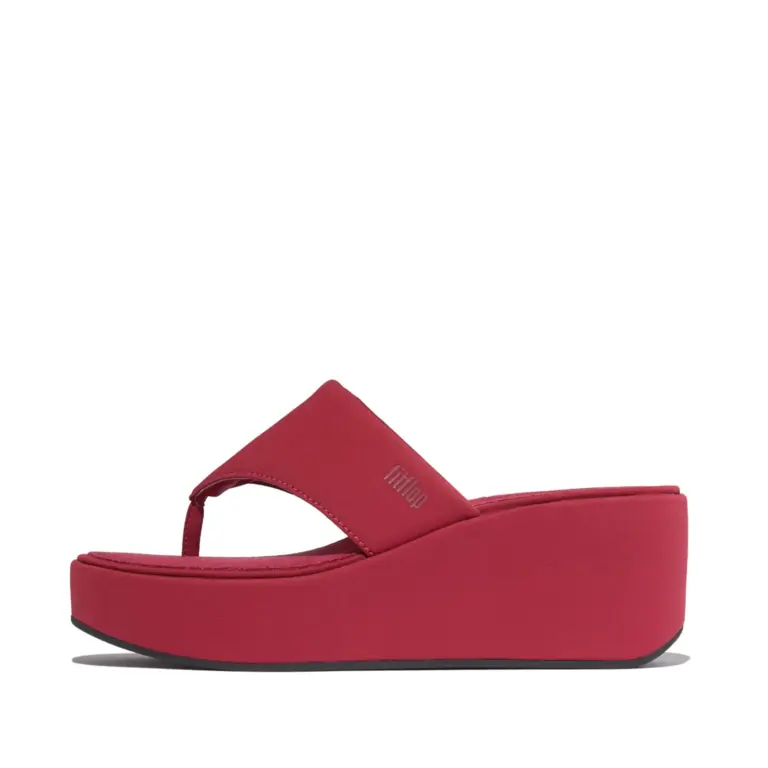 The Wedge Running Trainers We’d Wear All Day

 The Waterproof Running Trainers Your Shoe Rack NeedsAlso worth a lookChunky TrainersI avoided chunky trainers for years because I thought they'd make me look like I was wearing someone else's PE kit from school.See the collections →

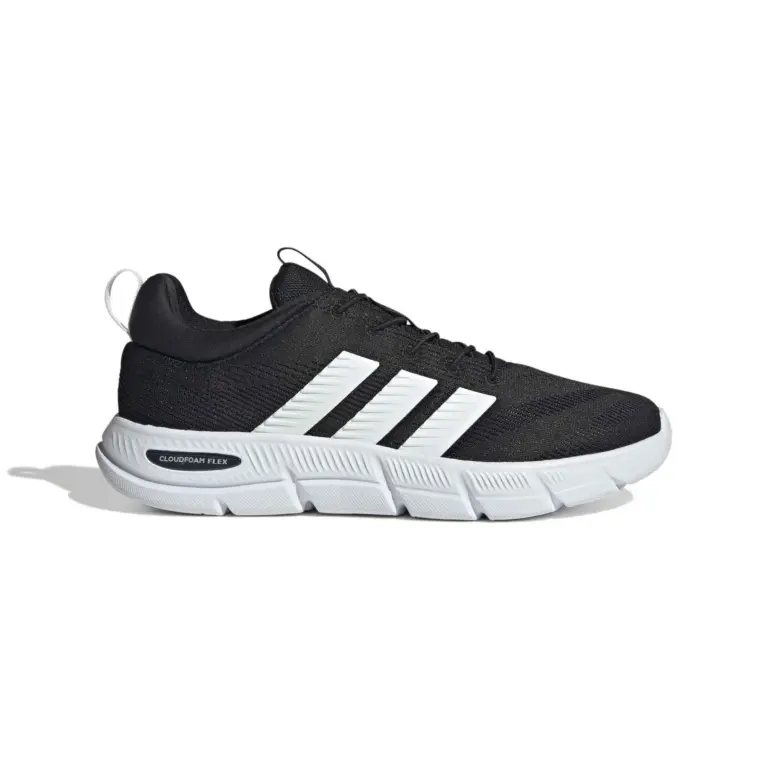 The Edit: Walking Running Trainers

 Vegan Running Trainers That Go With Everything

 Suede TrainersSuede Running Trainers Picked by Us

 Summer Running Trainers: What We’d Buy Now
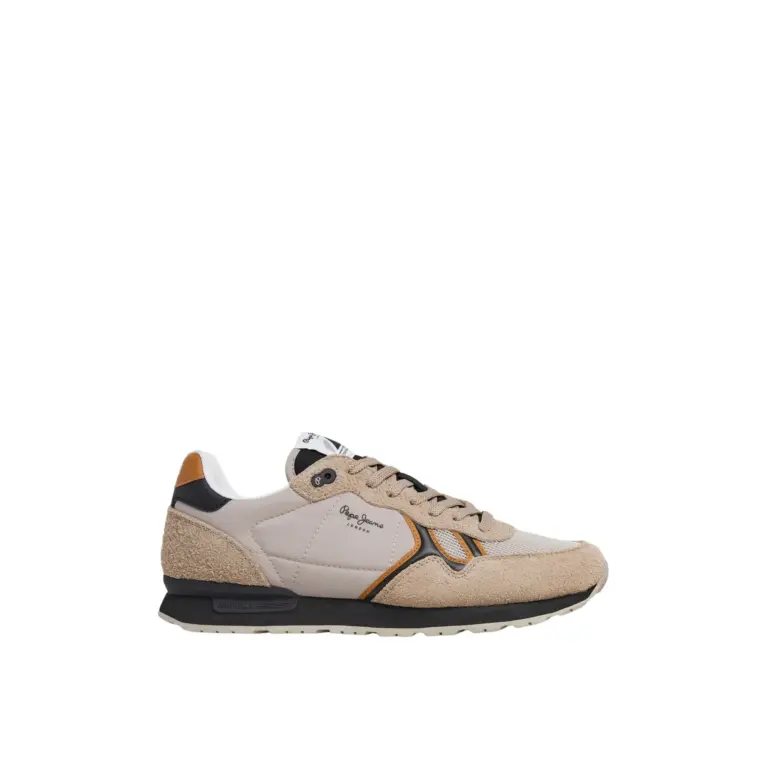
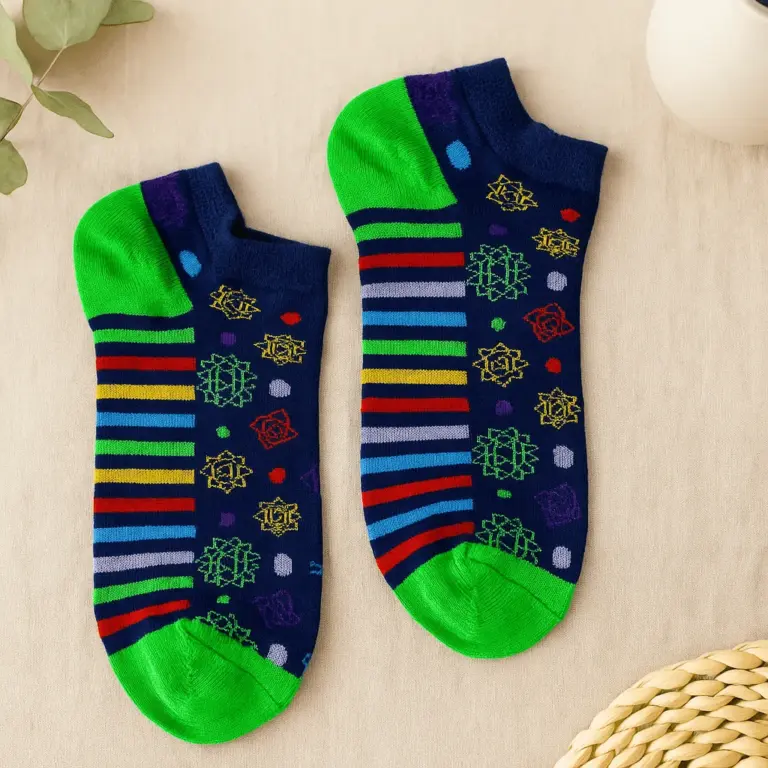 Handpicked Sock Running Trainers We Keep Coming Back To
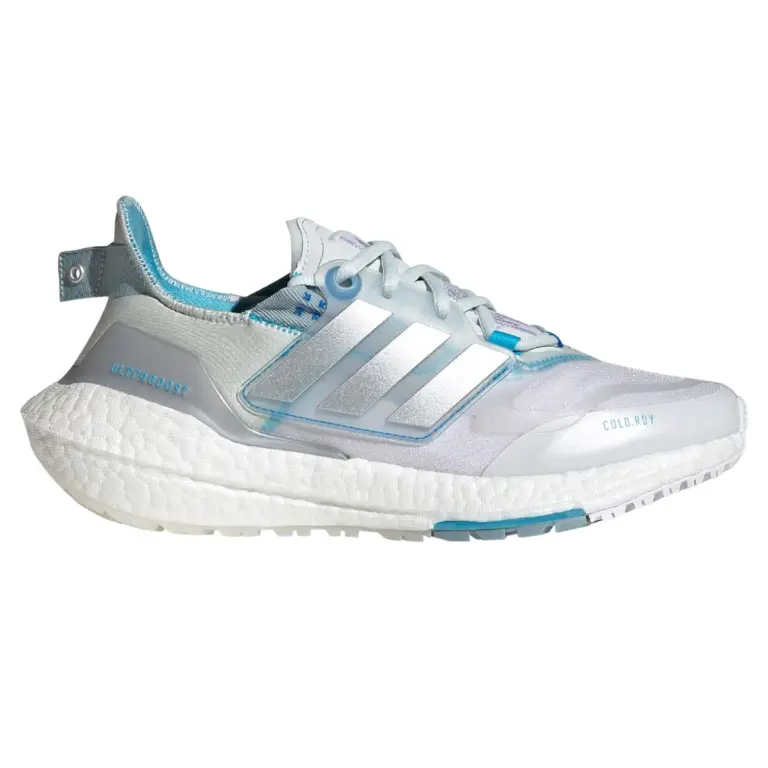
 The Edit: Slip On Running Trainers

 Suede TrainersSilver Suede Running Trainers We Rate

 Rubber TrainersSilver Rubber Running Trainers: The Ones Worth Your Money

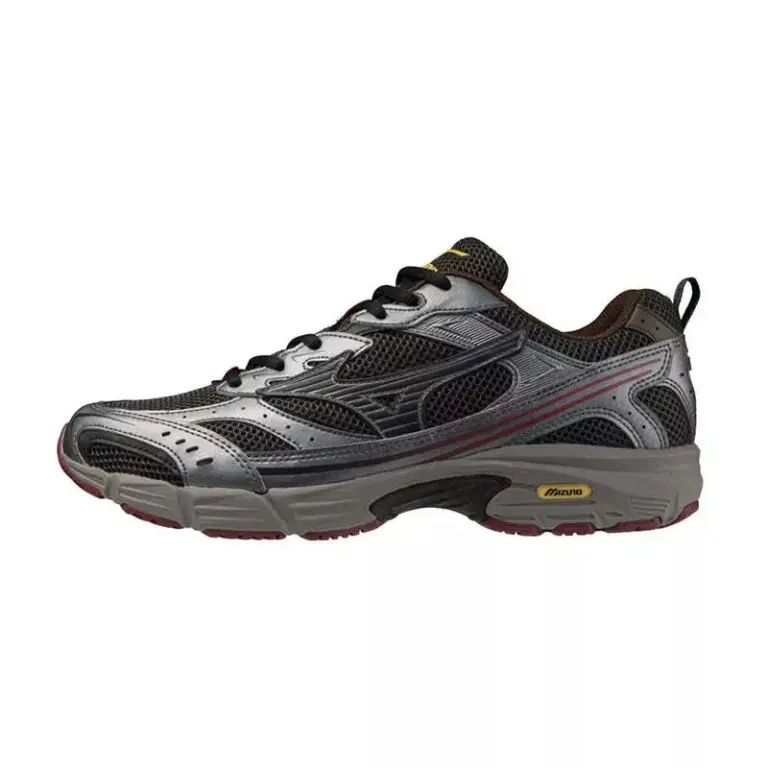 Silver Running Trainers We’d Happily Wear Out the DoorAlso worth a lookBlack TrainersThe single most useful thing I can tell you is that black trainers are never really just black.See the collections →

 Leather TrainersSilver Leather Running Trainers That Go With Everything
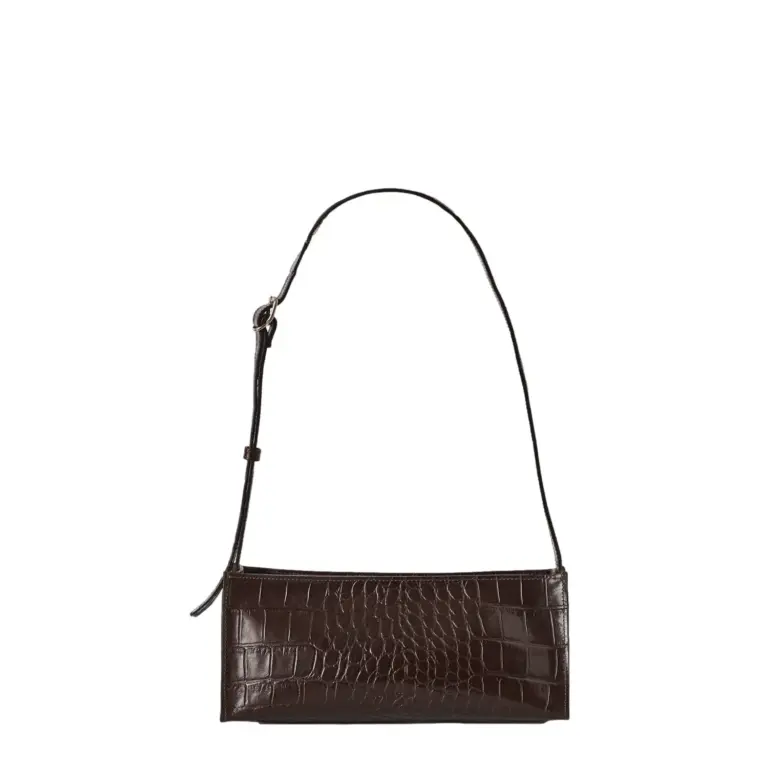
 Chunky TrainersCosy Running Chunky Trainers We Love

 Running Sneakers: Our Current Favourites

 The Running Trainers Your Shoe Rack Needs

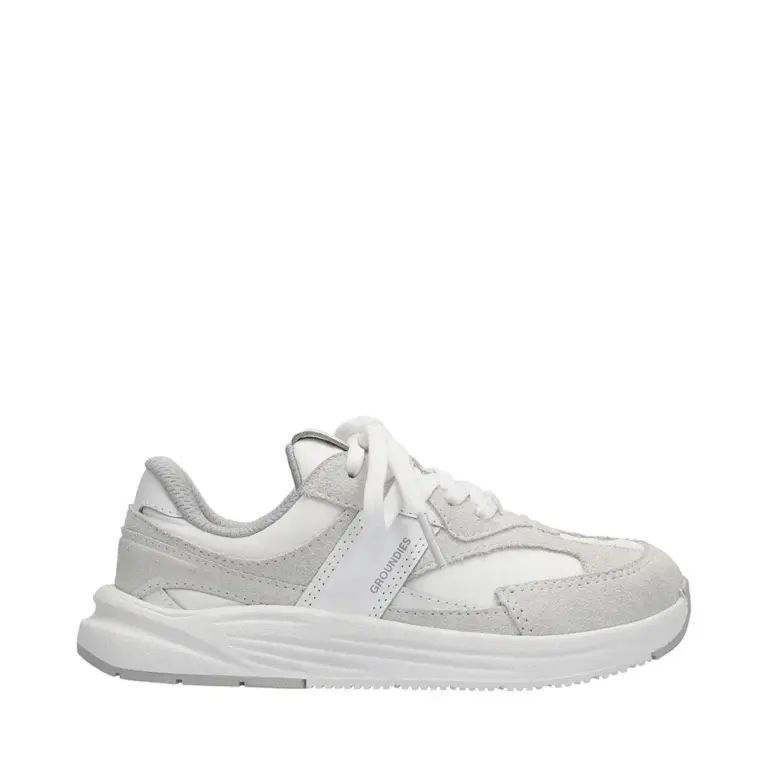 Rubber TrainersRubber Running Trainers That Earn Their Place

 Our Edit of the Best Round Toe Running Trainers

 Rubber TrainersThe Edit: Red Rubber Running Trainers
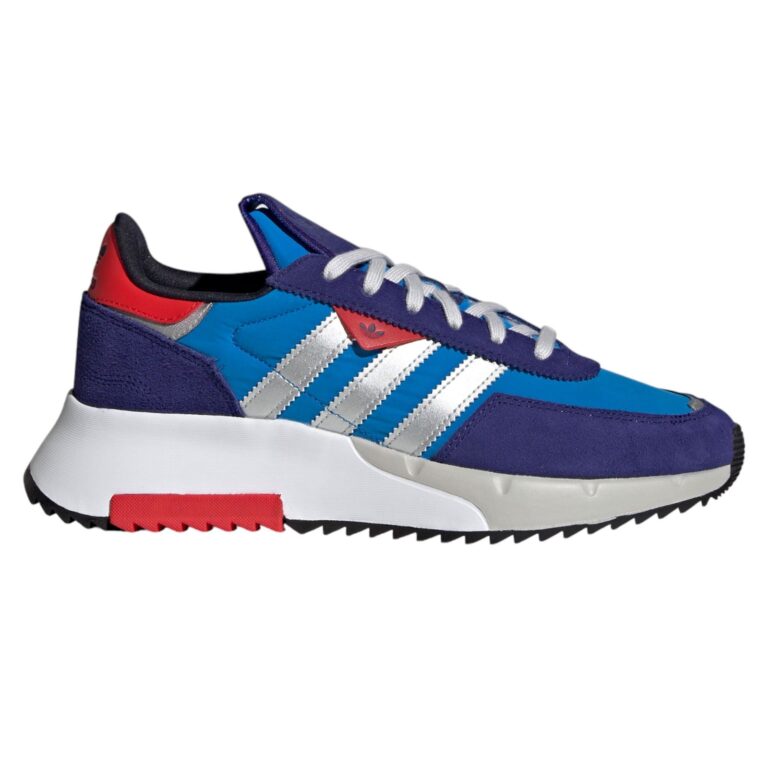
 Our Edit of the Best Red Running Trainers


