Biker boots have a reputation for doing all the heavy lifting in an outfit, the thing you put on when you can't be bothered to think and need to look like you have. I mostly agree with that, with one condition. A good pair does exactly that for years. A bad pair falls apart at the ankle seam by November and you're left looking like you've given up halfway through getting dressed.
The difference between the two is almost never visible in a photo, which is annoying because that's how most of us buy them. It's in the leather, or what's pretending to be leather. Proper leather or a thick leather blend creases and softens where your foot bends and starts to look better with wear, like it's settling into the shape of your actual life. Cheap coated synthetic cracks in exactly the place it folds, usually across the toe, and once it cracks it doesn't stop. Check the sole next, because a chunky looking boot with a thin glued sole will feel like standing on cardboard by the second wear, and the stitching should run in a visible, even line around the welt rather than disappearing under a layer of glue. Hardware matters more than people admit. Buckles and zips in a dull, slightly heavy metal tend to survive, while the bright shiny ones go tarnished and loose within a season, and a zip that snags once will snag forever.
If you're buying your first pair, go for a plain ankle boot with a rounded toe, a low stacked heel, and minimal hardware, maybe one buckle at most. Anything with multiple straps and studs looks brilliant on its own but starts fighting with everything else you own, and you'll end up wearing it twice and then never again. A simple black pair with a bit of weight to the sole will go under jeans, under a slip dress with thick tights, under a midi skirt in that in between weather where you can't decide on tights at all. They're also the pair that quietly rescues a plain outfit, jumper and jeans, nothing else going on, and suddenly it looks like you tried.
They age well if you let them, and badly if you don't. Leather wants feeding every few months with a proper cream or conditioner, not just a wipe when they look dusty, and letting them dry away from direct heat after a wet day matters more than people think, because a radiator will crack leather in one evening that took two years to earn its creases. Resole them when the heel wears down rather than replacing the whole boot, since that's usually the only part that actually dies first.
Reach for them on the days you want to look sorted without having decided anything else about yourself yet.

 Zip Biker Boots That Feel Special

 Winter Biker Boots: Our Top Picks

 Wide Fit BootsWide Fit Black Biker Boots We’ve Been Saving

 Tan BootsOur Shortlist of Tan Faux Leather Biker Boots

 Tan BootsTan Leather Biker Boots That Make Any Outfit

 Suede BootsThe Edit: Suede Biker Boots

 Sock BootsThe Sock Biker Boots on Our Wishlist

 Silver Biker Boots That Make Any Outfit

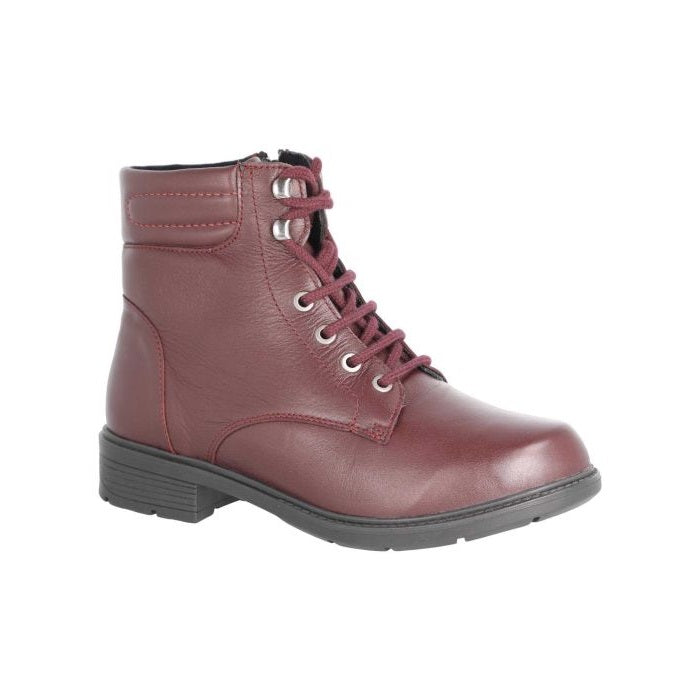 Round Toe Biker Boots Made for WalkingAlso worth a lookAnkle BootsIf you're trying one on and it already pinches across the top of the foot while you're stood still, put it back.See the collections →

 Rubber BootsThe Rubber Biker Boots Shortlist

 Red Biker Boots on Our Radar

 Navy Biker Boots That Feel Special

 Mid Heel Biker Boots: What We’d Buy Now

 Leather BootsFinding the Best Metallic Leather Biker Boots

 Metallic Biker Boots Made for Walking

 Low Biker Boots Worth Adding to Your Wardrobe

 Heeled BootsWhere to Find the Best Heeled Biker Boots

 High Biker Boots Made for WalkingAlso worth a lookBlack BootsIf you're stood there holding a black boot, the first thing I'd ask is where the zip sits…See the collections →

 Grey Biker Boots: Our Honest Shortlist

 Gold Biker Boots: Our Top Picks

 Flat Biker Boots You’ll Wear All Season

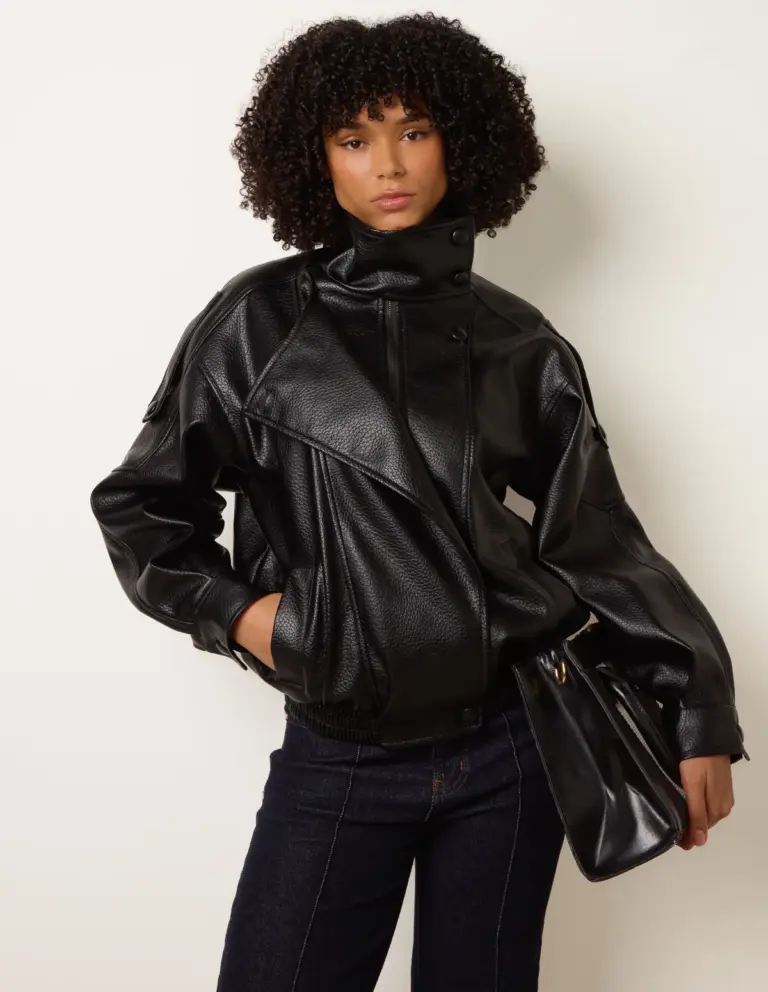 Shop the Edit: Faux Leather Biker Boots

 Wide Fit BootsExtra Wide Fit Biker Boots We’d Recommend to a Friend

 Wide Fit BootsExtra Wide Fit Black Biker Boots Made for Walking

 Faux Fur Biker Boots We’d Buy Again

 Comfort BootsComfort Biker Boots on Our Radar

 The Edit: Cleated Biker BootsAlso worth a lookBrown BootsBrown boots do a different job to black ones, whatever the shop assistant tells you when you're stood there with two pairs and no clue.See the collections →

 Chunky Biker Boots With Real Wardrobe Staying Power

 Our Go To Burgundy Biker Boots

 Buckle Biker Boots Edited Down to the Best

 Brown BootsBrown Zip Biker Boots That Go With Everything

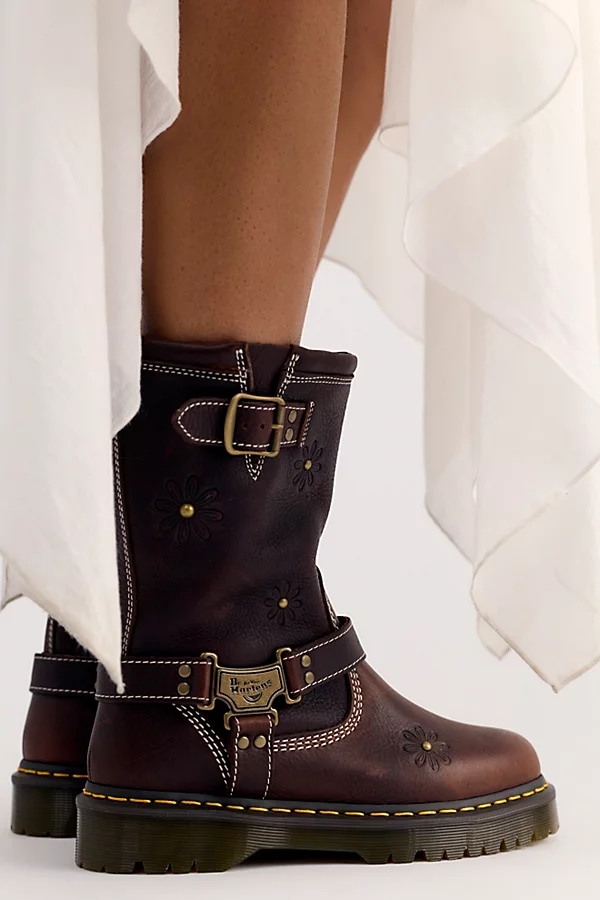 Rubber BootsBrown Rubber Biker Boots We Rate

 Leather BootsBrown Leather Biker Boots That Earn Their Place

 Lace Up BootsBrown Lace Up Biker Boots Picked by Us

 Brown BootsBrown Faux Leather Biker Boots: Our Current Favourites


