Some mornings call for a proper shoe and your feet simply refuse to cooperate, usually the same week you've got a full day on your feet or a long walk you can't get out of, and that's when comfort boots come off the shelf before anything else gets a look in. They're the ones you grab when you know you'll be standing at a bus stop, then walking the long way round because the direct route has roadworks, then standing again, and you want to arrive somewhere without peeling your socks off under the table in relief.
They sit well against plain, slightly oversized basics, a straight leg jean turned up once, a long cardigan you can sink your hands into, a simple roll neck when it's properly cold, nothing fitted or fussy because the boots are already doing a job and don't need competing with. Before you buy, check the sole flexes where your foot actually bends rather than staying stiff through the ball of the foot, have a look at how the boot sits around the ankle bone because a lot of them rub there within the first fortnight, and check whether the lining is a proper fabric or just a thin sprayed finish that'll go hard and shiny by November. If you own none, start with an ankle boot in a flat or very low block heel, in black or a mid brown, nothing with a zip that looks like it's fighting the leather at the seam, because a zip that's slightly too tight for its own boot is the first thing to go.
The difference between one that lasts and one that lets you down is almost always in what you can't see on the shelf. A well made comfort boot has a sole that's actually bonded or stitched rather than just glued flat, which you can sometimes tell by pressing the edge with your thumb, and stitching along the upper that's even rather than wandering, because wandering stitching usually means wandering everything else. The leather or decent synthetic should have a bit of give to it straight away, not need six weeks of wearing in before it stops feeling like a plank. Cheap hardware on the buckles or eyelets will go dull and slightly orange within a season, so have a quick look at that before you commit, and if there's a zip, run it up and down once in the shop rather than assuming it'll behave at home. The insole matters more than people admit to themselves at the till, a flat thin one looks fine on day one and feels like standing on a book by day three.

 White BootsWhite Comfort Ankle Boots That Earn Their Place

 White BootsWhite Comfort Ankle Boots We Rate

 Chelsea BootsWhite Comfort Chelsea Boots That Make Any Outfit

 White BootsFinding the Best White Comfort Knee High Boots

 Walking BootsWhite Comfort Walking Boots That Go With Everything

 Chelsea BootsOur Pick of the Best Tan Comfort Chelsea Boots

 Tan BootsTan Comfort Heeled Boots You’ll Wear All Season

 Tan BootsTan Comfort Knee High Boots We’d Pull On Every Day

 Tan BootsTan Comfort Lace Up Boots We’re Adding to BasketAlso worth a lookAnkle BootsIf you're trying one on and it already pinches across the top of the foot while you're stood still, put it back.See the collections →

 Tan BootsTan Comfort Sock Boots That Make Any Outfit

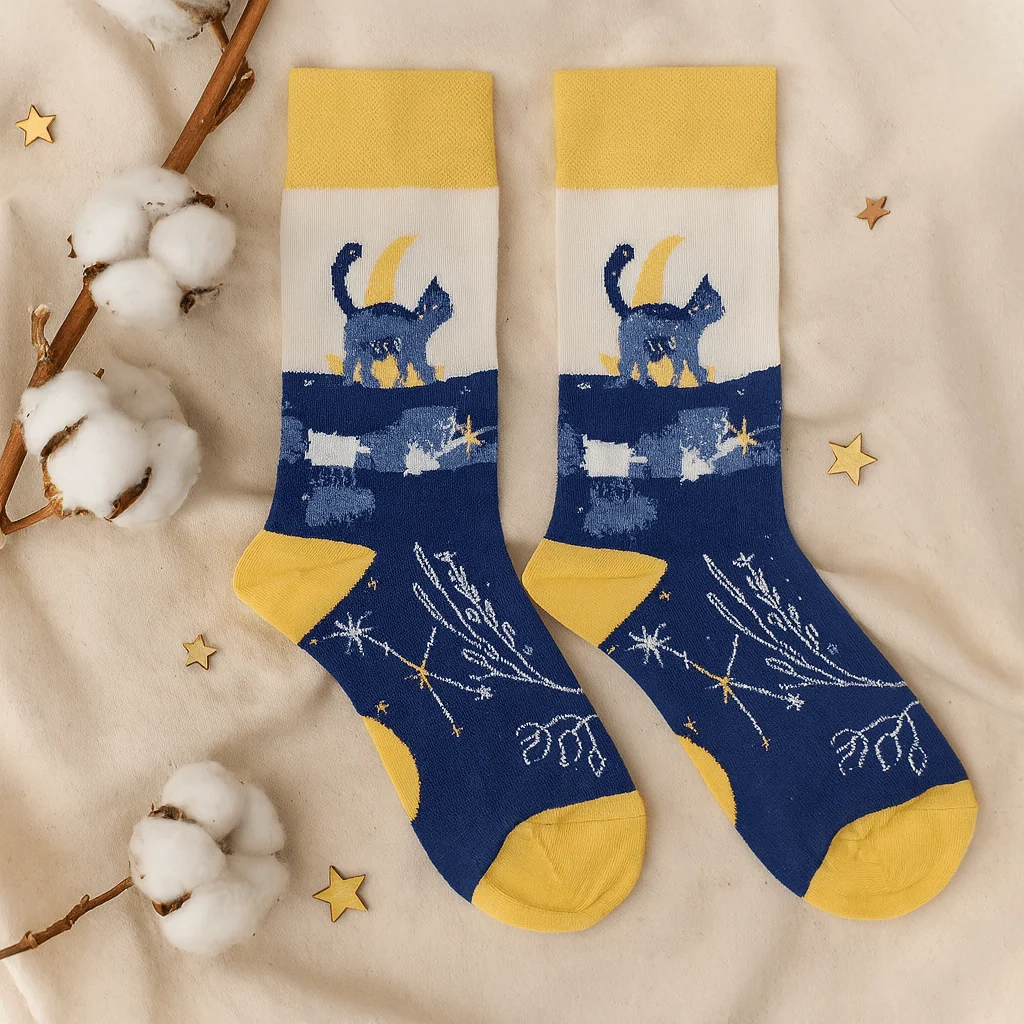 Sock BootsThe Edit: Cream Comfort Sock Boots

 Ankle BootsCream Comfort Ankle Boots That Tick Every Box

 Ankle BootsShop Our Favourite Cream Comfort Ankle Boots

 The Cream Comfort Boots Your Shoe Rack Needs

 Ankle BootsFinding the Best Comfort Ankle Boots
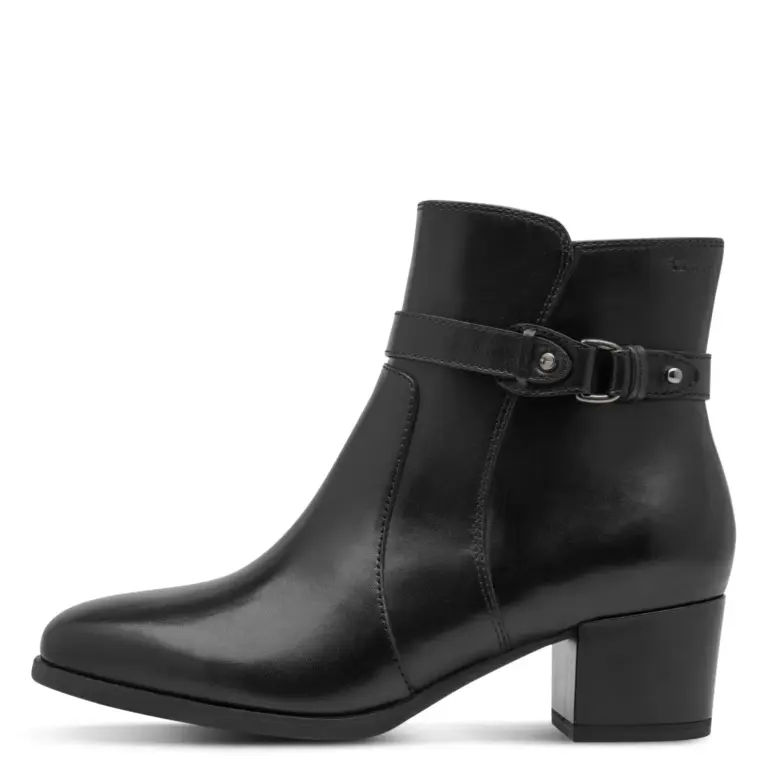
 Western BootsComfort Western Boots: Our Honest Shortlist

 Ankle BootsOur Top Comfort Ankle Boots Right Now

 Biker BootsComfort Biker Boots on Our RadarAlso worth a lookBlack BootsIf you're stood there holding a black boot, the first thing I'd ask is where the zip sits…See the collections →

 Comfort Boots That Feel Special

 Chelsea BootsComfort Chelsea Boots on Our Radar

 A Closer Look at the Best Comfort Cowboy Boots

 Heeled BootsComfort Heeled Boots That Make Any Outfit

 Knee High BootsComfort Knee High Boots: What We’d Buy Now

 Lace Up BootsComfort Lace Up Boots With Real Wardrobe Staying Power

 Over the Knee BootsComfort Over the Knee Boots That Make Any Outfit

 Platform BootsComfort Platform Boots That Go With Everything

 The Comfort Shearling Boots ShortlistAlso worth a lookBrown BootsBrown boots do a different job to black ones, whatever the shop assistant tells you when you're stood there with two pairs and no clue.See the collections →

 Comfort Snow Boots With Real Wardrobe Staying Power

 Sock BootsComfort Sock Boots Made for Walking

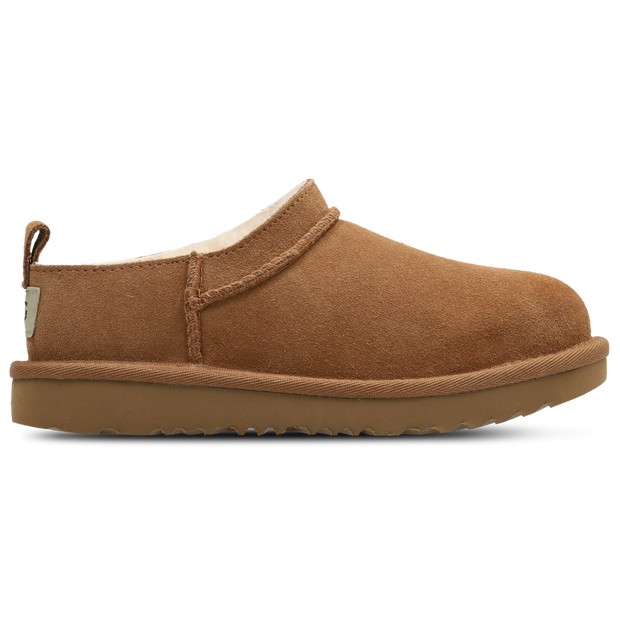 The Comfort Ugg Boots We Keep Going Back To

 Walking BootsComfort Walking Boots: Our Honest Shortlist

 Black BootsBlack Comfort Ankle Boots With Real Wardrobe Staying Power

 Biker BootsOur Favourite Black Comfort Biker Boots

 Black BootsBlack Comfort Boots We Think You’ll Love

 Chelsea BootsWhere to Find the Best Black Comfort Chelsea Boots


