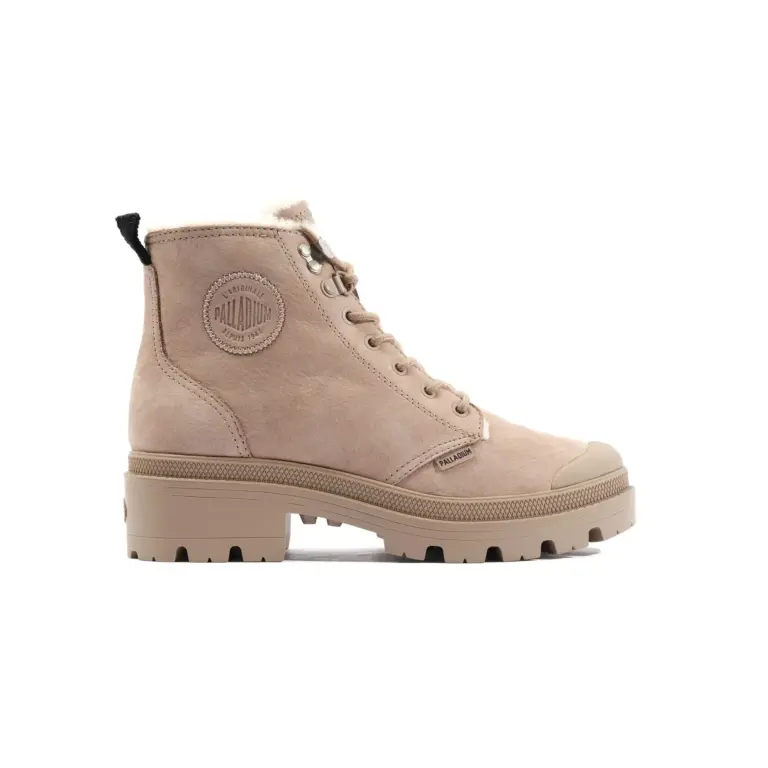
For years I bought leather boots by how they looked stood still in a shop, and that is precisely the wrong way to judge them. The pair that mattered turned out to be the ones I almost walked out without trying, because the leather felt a bit stiff at the counter and softened properly within a fortnight of actual wear. What put me right was a disastrous pair that looked wonderful under the shop lighting and cut into my ankle on every single walk for a whole winter, because nobody had told me stiff at the counter rarely means stiff for long, and soft at the counter can mean it was never going to hold its shape at all.
Before you commit, bend the boot in your hands the way you would a book, and look at where the sole meets the upper, because a hairline gap there now is a soaked sock in November. Check the lining goes all the way down into the toe rather than stopping halfway, press your thumb into the heel to see if there's a proper stiffener or just lining pretending to be one, and have a good look at the stitching round the welt, since uneven or sparse stitching there is usually the first thing to give. The zip matters more than people admit when they're buying boots, a cheap one will stick by the second winter, so work it a few times before you decide. What separates the good pair from the disappointing one is mostly in things you can't see from across a shop floor, a full grain leather that will develop a bit of character rather than a corrected grain that cracks along the crease line, a sole that's stitched or at least properly bonded rather than glued and hoping, and hardware that doesn't go tinny looking after one wet week. A boot that's been finished well will take polish evenly, a disappointing one will drink it in patches and never look right again.
I'll say plainly where leather boots are the wrong choice. If you need something for genuinely filthy conditions, deep mud, proper hill walking, they're not it, and you'll end up disappointed comparing them to a boot built for that job. They're also not forgiving of being left damp in a bag or a boot room, leather punishes that more than most fabrics do, and if you can't commit to letting them dry properly and feeding them cream now and then, you'll get two winters out of them instead of ten.
Next time you're trying a pair on, check the heel to toe flex and the welt stitching before you even look at the price tag.

 White BootsWhite Leather Ankle Boots Worth a Closer Look

 White BootsWhite Leather Ankle Boots That Go With Everything

 White BootsOur Shortlist of White Leather Boots

 White BootsOur Edit of the Best White Leather Heeled Boots

 Walking BootsWhite Leather Walking Boots We’d Recommend to a Friend
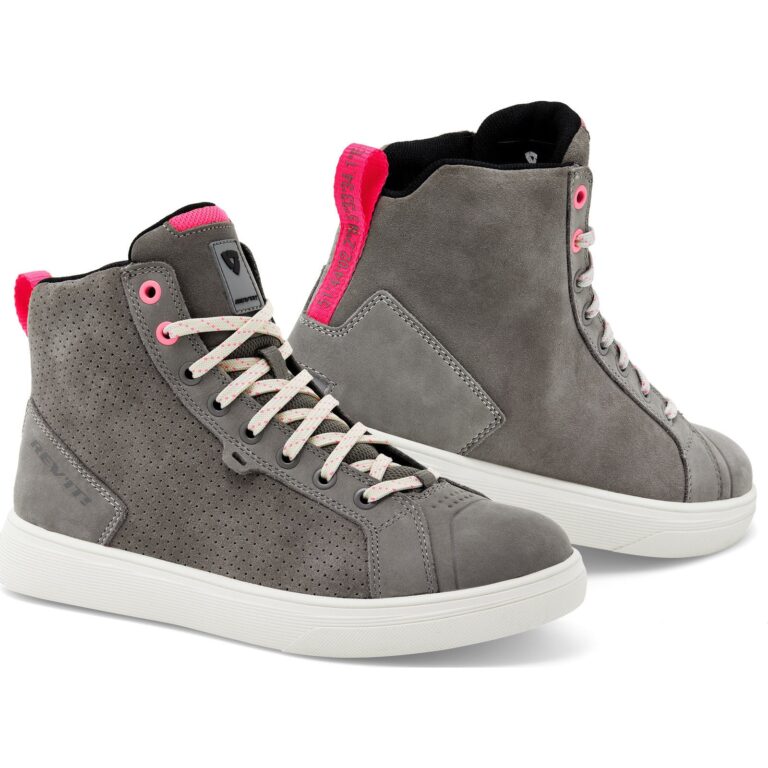
 Tan BootsTan Leather Ankle Boots That Feel Special

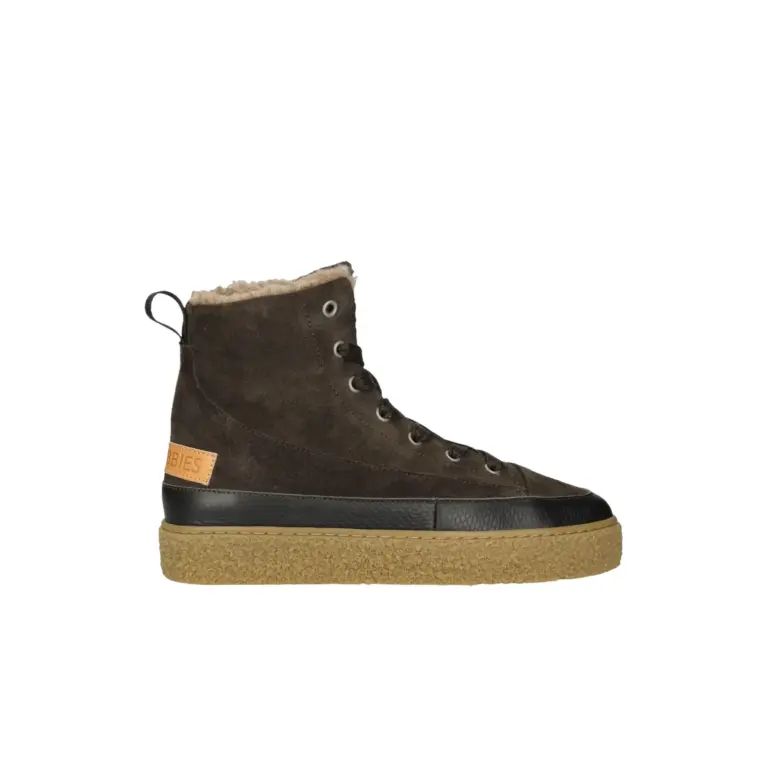 Tan BootsTan Leather Ankle Boots With Real Wardrobe Staying Power

 Biker BootsTan Leather Biker Boots That Make Any Outfit

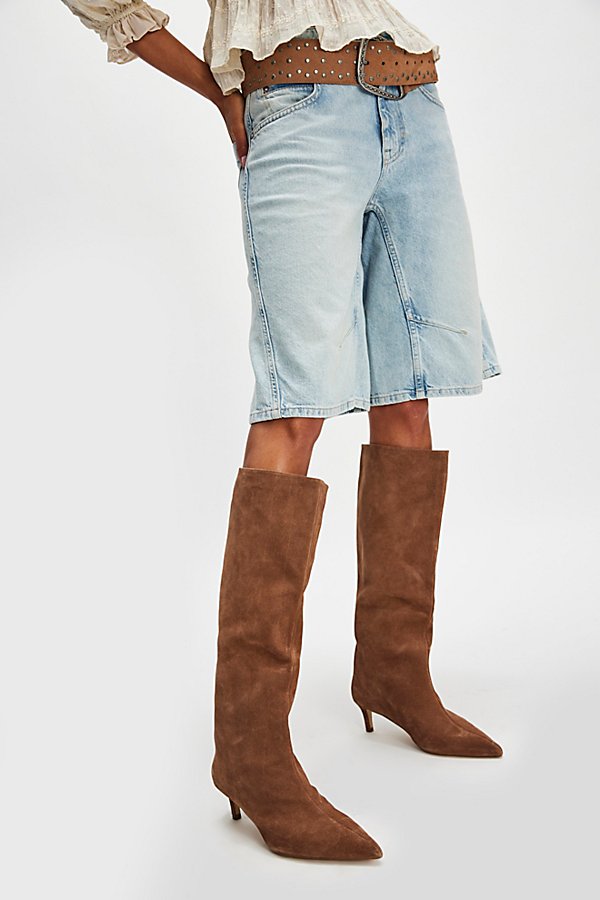 Tan BootsTan Leather Boots We Can’t Stop Looking AtAlso worth a lookAnkle BootsIf you're trying one on and it already pinches across the top of the foot while you're stood still, put it back.See the collections →

 Tan BootsThe Tan Leather Heeled Boots We Keep Going Back To

 Tan BootsTan Leather Knee High Boots: What We’d Buy Now

 Tan BootsTan Leather Sock Boots We’ve Been Saving

 Western BootsOur Favourite Tan Leather Western Boots

 Knee High BootsSilver Leather Knee High Boots That Earn Their Place

 Lace Up BootsOur Top Silver Leather Lace Up Boots Right Now

 Ankle BootsSilver Leather Ankle Boots That Go With Everything

 Ankle BootsSilver Leather Ankle Boots We’re Adding to Basket

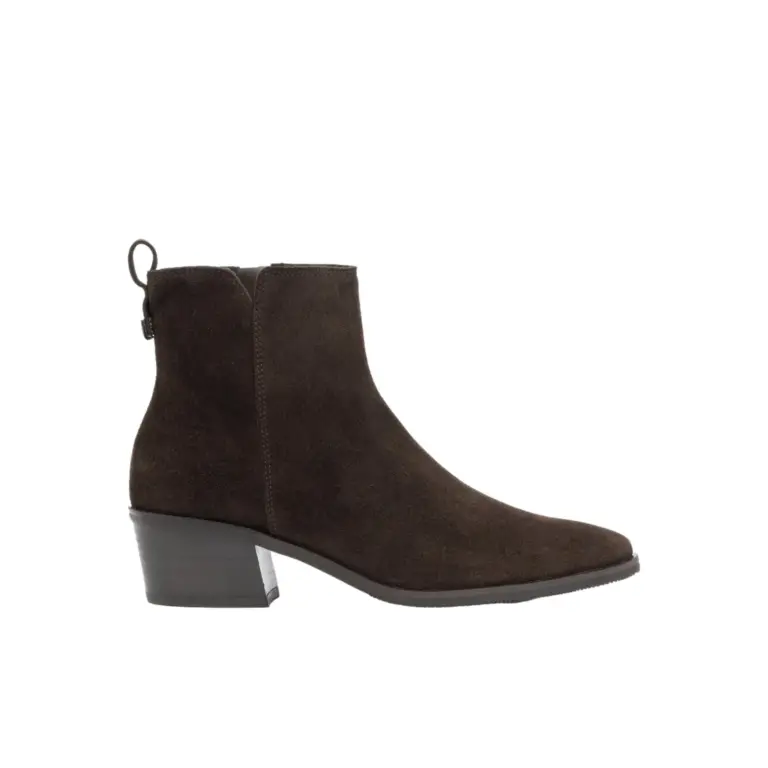 The Best Looking Silver Leather Boots Out ThereAlso worth a lookBlack BootsIf you're stood there holding a black boot, the first thing I'd ask is where the zip sits…See the collections →

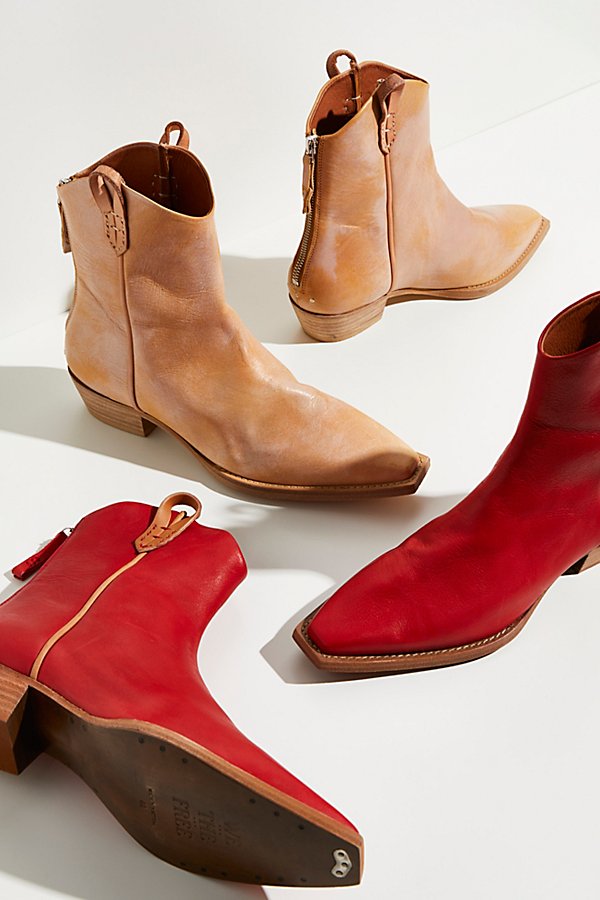 Ankle BootsRed Leather Ankle Boots Worth a Closer Look

 Ankle BootsThe Red Leather Ankle Boots Worth Your Wardrobe Space

 Red Leather Boots That Tick Every Box

 Knee High BootsRed Leather Knee High Boots Made for Walking

 Walking BootsRed Leather Walking Boots on Our Radar

 Ankle BootsShop Our Favourite Pink Leather Ankle Boots

 The Pink Leather Boots We’re Eyeing Up This Season

 Ankle BootsNavy Leather Ankle Boots We’ve Been Saving

 Ankle BootsThe Navy Leather Ankle Boots We Keep Going Back ToAlso worth a lookBrown BootsBrown boots do a different job to black ones, whatever the shop assistant tells you when you're stood there with two pairs and no clue.See the collections →

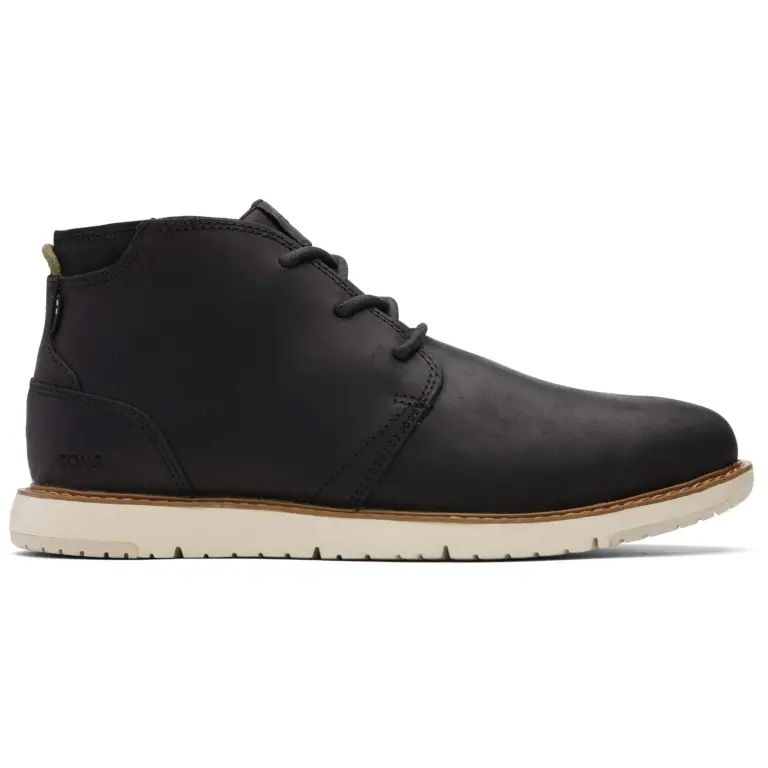 Navy Leather Boots We Can’t Stop Looking At

 Ankle BootsOur Shortlist of Metallic Leather Ankle Boots

 Biker BootsFinding the Best Metallic Leather Biker Boots

 Heeled BootsMetallic Leather Heeled Boots Made for Walking

 Ankle BootsMetallic Leather Ankle Boots We’re Adding to Basket

 Ankle BootsLeopard Print Leather Ankle Boots We’ve Been Saving

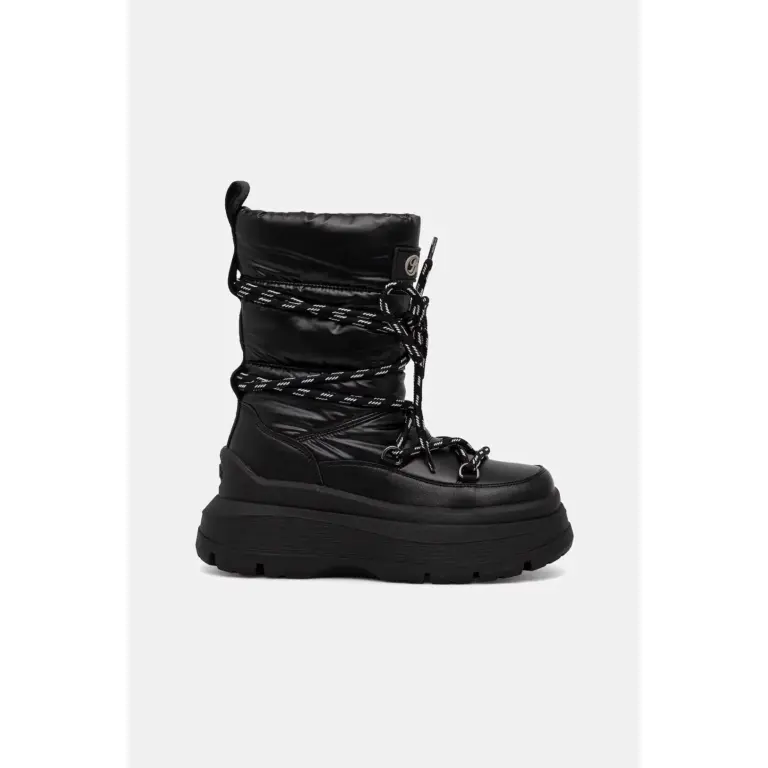 Leather Snow Boots We’d Pull On Every Day

 Sock BootsLeather Sock Boots That Earn Their Place