A good suede boot has a feel before it has a fit. Run a hand across the toe and you should feel a proper grain, a nap that changes shade depending on which way you brush it, not a flat sheen that looks painted on. Pick it up and there should be some honest weight to the sole, without it feeling like you're lifting a brick.
If you don't own a pair yet, start with an ankle boot in a mid brown or soft grey rather than black, with a low block heel or flat sole and nothing fiddly going on, no buckles or zips doing a job they don't need to do. A chelsea shape is the easiest to get right first time, because there's nothing on it to go wrong, no hardware to tarnish, no seam sitting in an awkward place. These boots do their best work from October through to about March, over jeans on a cold morning, under a coat when it's too chilly for bare legs but not quite proper winter yet, with a dress on the days you can't be bothered with tights. They're not built for standing in a downpour, suede and standing water have never got on, but for the long stretch of ordinary damp grey weather, a pair like this covers more days than almost anything else you own.
What separates one that lasts from one that looks tired by November usually isn't visible on a screen. Cheap suede is often sprayed to stop it marking, which also stops it breathing, and it goes shiny and a bit plasticky at the toe and heel within a few wears, exactly where you can least afford it. Good suede has a thicker, more even pile, with the colour running through rather than sitting on top. Look at the stitching round the welt, it should be tight and regular, not loose loops waiting to catch. The sole wants to be stitched as well as glued, and any buckle or zip pull should feel like metal, not like it would bend under a firm look. Turn the boot over too. A sole finished properly, with real tread and no rough edges, tells you more about the whole boot than the upper does.
Buy well once and a suede boot will cope with a brush, a wipe and the odd bit of weather. Buy badly and you'll be replacing it before the cold has even properly set in.

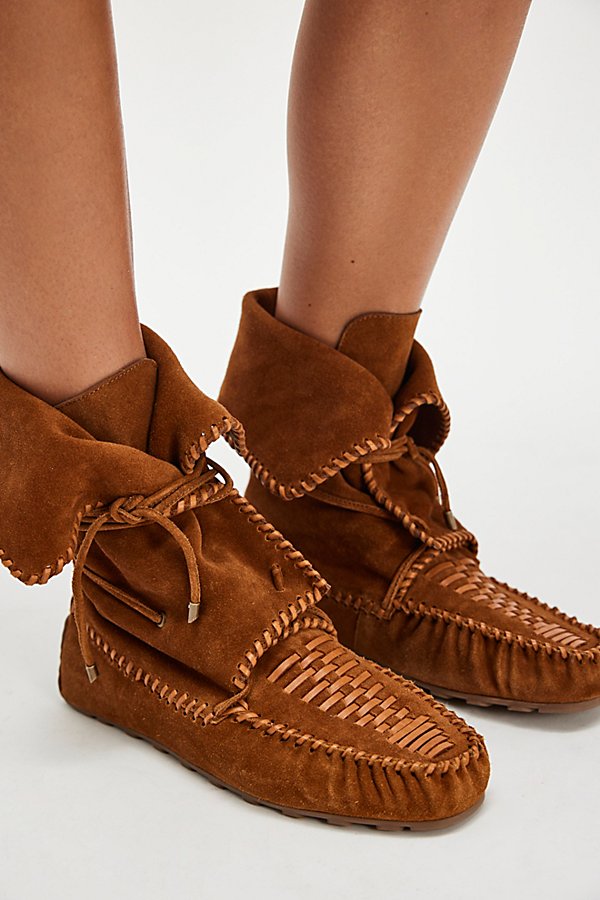 Tan BootsTan Suede Ankle Boots: The Ones Worth Your Money

 Tan BootsThe Edit: Tan Suede Heeled Boots

 Tan BootsOur Shortlist of Tan Suede Knee High Boots

 Knee High BootsSuede Knee High Boots: The Edit

 Platform BootsThe Best Suede Platform Boots to Shop Now
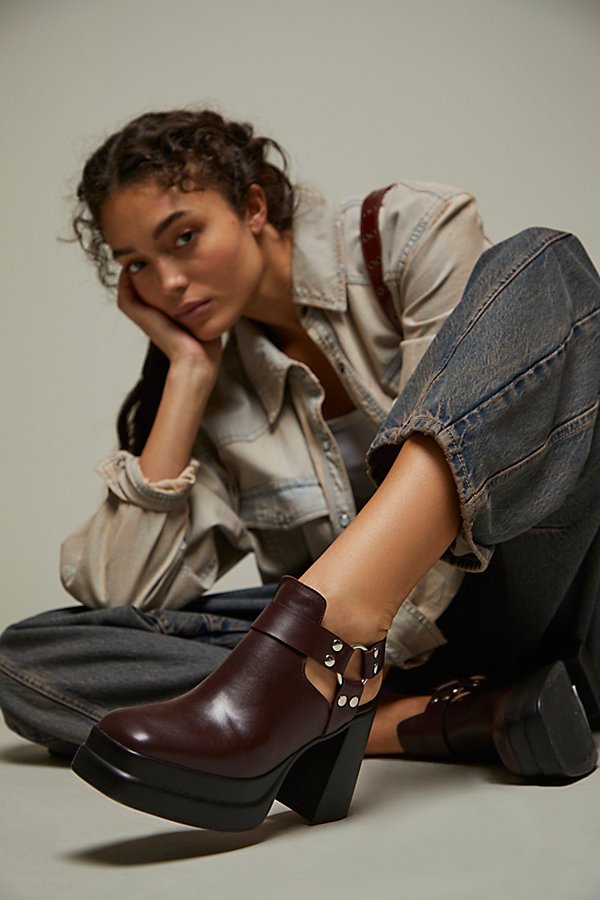
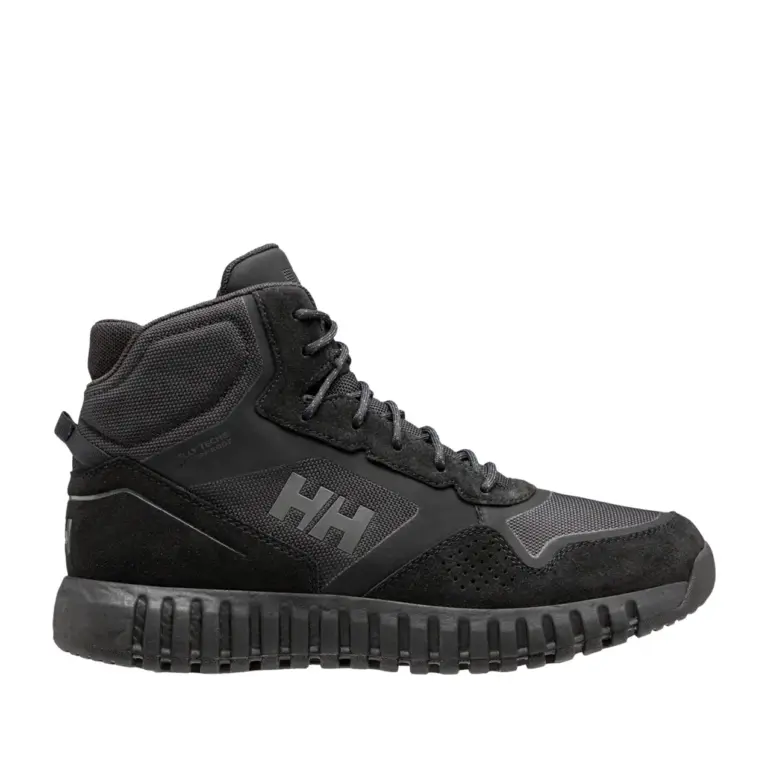 Standout Suede Snow Boots to Shop

 Suede Ugg Boots Worth Adding to Your Wardrobe

 Chelsea BootsSuede Chelsea Boots We Think You’ll Love

 Ankle BootsSuede Ankle Boots: The Ones Worth Your MoneyAlso worth a lookAnkle BootsIf you're trying one on and it already pinches across the top of the foot while you're stood still, put it back.See the collections →

 Ankle BootsSuede Ankle Boots: Our Honest Shortlist

 Biker BootsThe Edit: Suede Biker Boots

 The Best Silver Suede Boots to Shop Now

 Ankle BootsThe Silver Suede Ankle Boots Shortlist

 Ankle BootsOur Top Silver Suede Ankle Boots Right Now

 Ankle BootsRed Suede Ankle Boots Worth a Closer Look

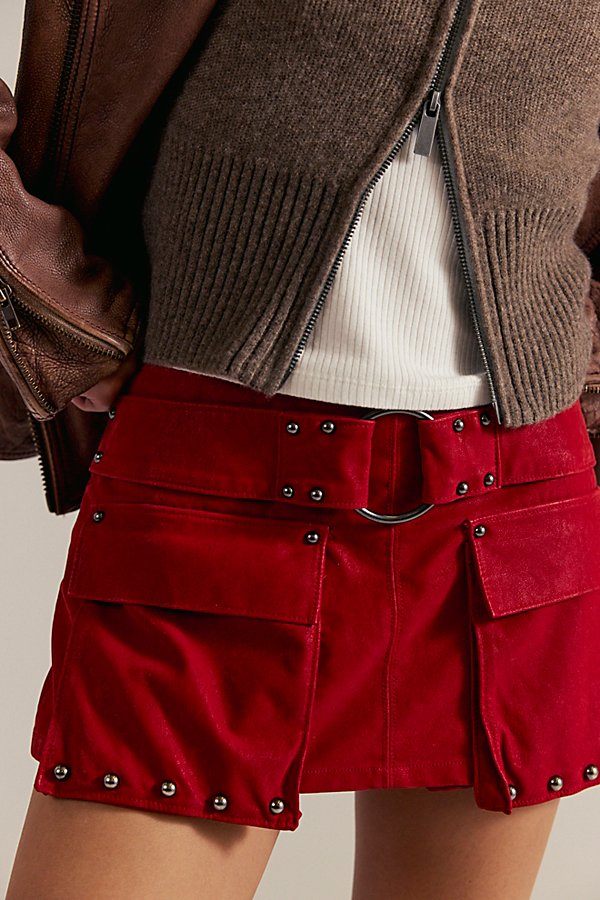 Red Suede Boots Edited Down to the Best

 Pink Suede Boots Edited Down to the Best

 Nude Suede Boots We’ve Been SavingAlso worth a lookBlack BootsIf you're stood there holding a black boot, the first thing I'd ask is where the zip sits…See the collections →

 Ankle BootsOur Kind of Navy Suede Ankle Boots

 Ankle BootsNavy Suede Ankle Boots That Tick Every Box

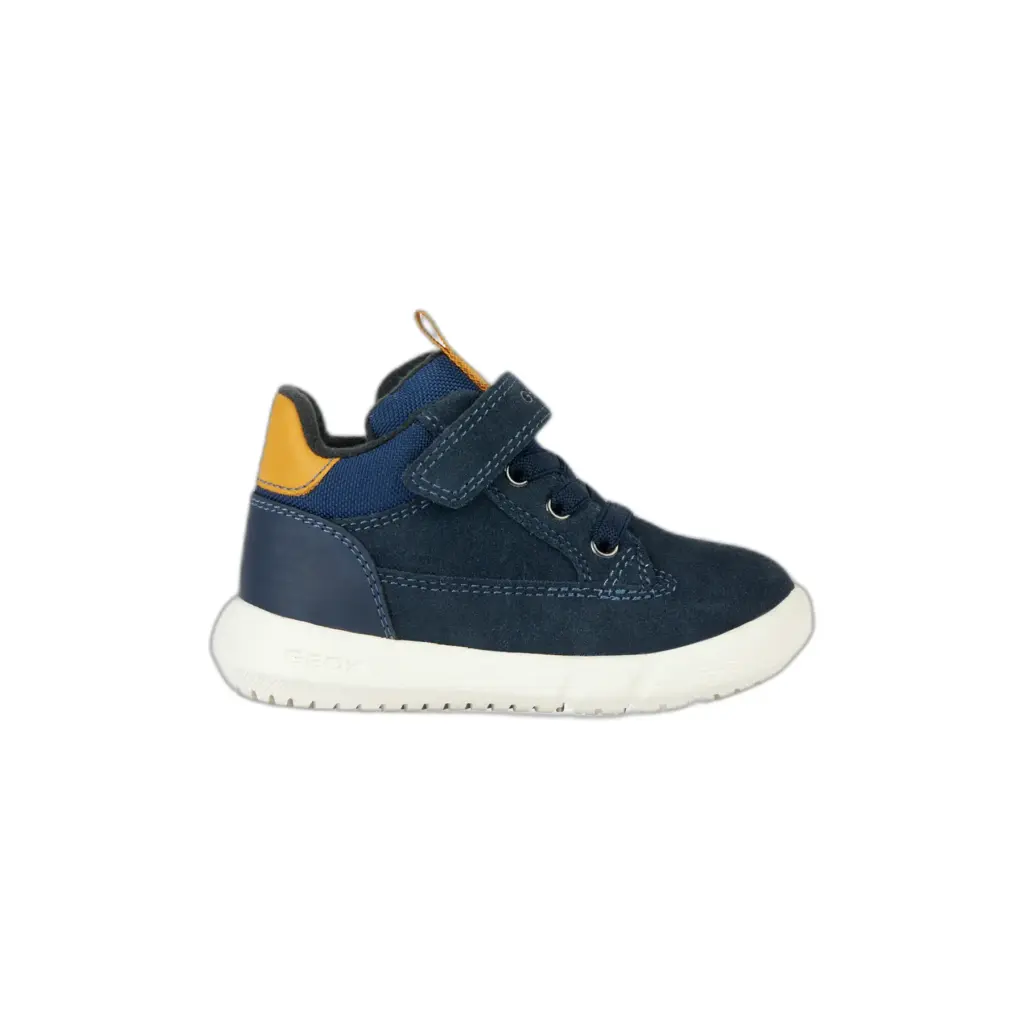 Navy Suede Boots We’d Pull On Every Day

 Lace Up BootsNavy Suede Lace Up Boots: What We’d Buy Now

 Ankle BootsMetallic Suede Ankle Boots That Tick Every Box

 Metallic Suede Boots We’re Adding to Basket

 Standout Leopard Print Suede Boots to Shop

 Lace Up BootsGrey Suede Lace Up Boots: Our Current Favourites

 Platform BootsGrey Suede Platform Boots Made for WalkingAlso worth a lookBrown BootsBrown boots do a different job to black ones, whatever the shop assistant tells you when you're stood there with two pairs and no clue.See the collections →

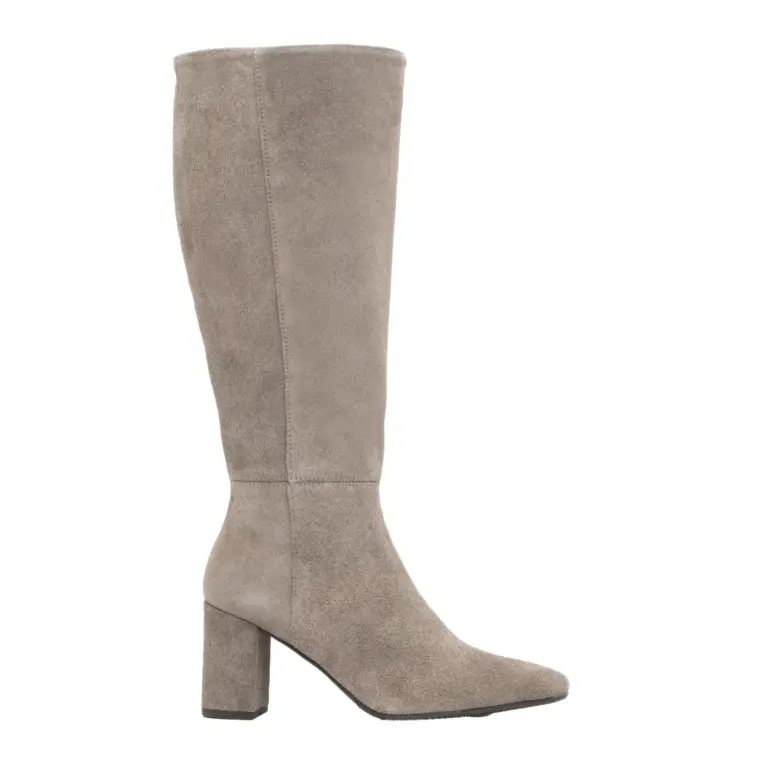 Walking BootsGrey Suede Walking Boots on Our Radar

 Ankle BootsGrey Suede Ankle Boots on Our Radar
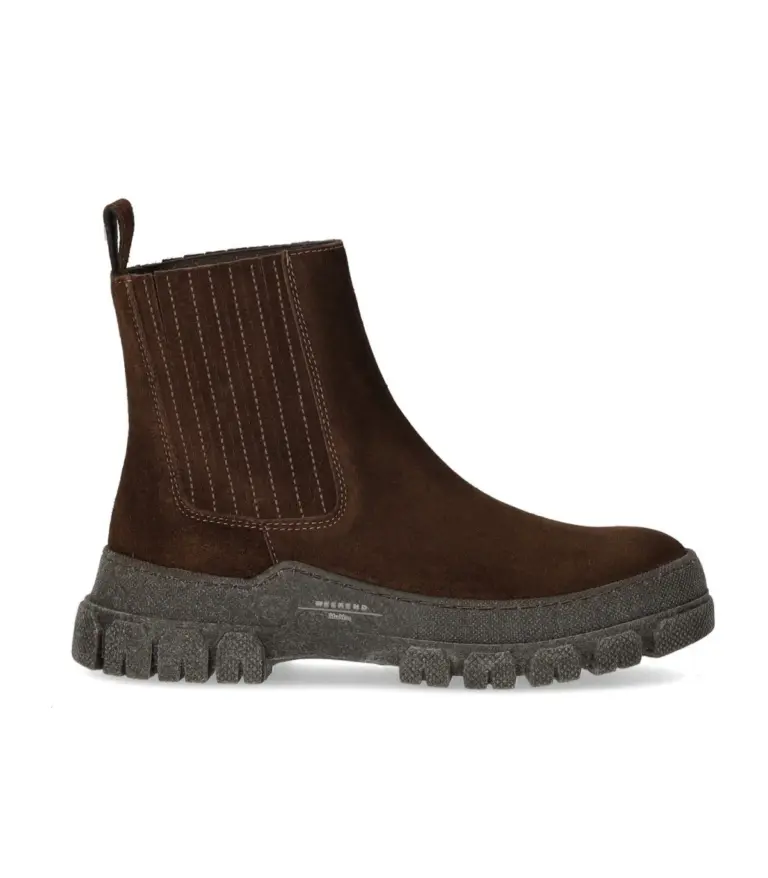
 Ankle BootsGrey Suede Ankle Boots That Have Caught Our Eye

 The Grey Suede Boots We Keep Going Back To

 Chelsea BootsThe Prettiest Grey Suede Chelsea Boots Around Right Now

 Ankle BootsThe Green Suede Ankle Boots Worth Investing In

 Green Suede Boots That Go With Everything

 Ankle BootsGold Suede Ankle Boots Made for Walking


