If you're holding a pair of ballet flats in the changing room, bend the sole in half before anything else. If it creases into a hard fold and stays there, put them back. A flat that can't flex with your foot is going to rub your heel raw by lunchtime, and no amount of breaking in fixes a sole that was never built to move.
These aren't the right shoe for distance walking or anything with a proper incline, there's rarely enough underfoot to cushion a long day on pavements, and the thin leather or faux leather uppers can let damp straight through in a downpour. I learned that one on a wet Tuesday with cardboard-thin soles and socks that were soaked by the time I got where I was going. They're also not brilliant if you need arch support, most have none at all, so if your feet ache by mid afternoon in flat shoes generally, this style won't change that.
For colours, black and a mid tone nude are the ones that earn their space, they go under trousers and dresses without a second thought and don't show scuffs the way pale pink or white do within a fortnight. A soft tan is nearly as forgiving. Bright colours and patent finishes look lovely in the shop and then show every scrape on the toe within a few wears, so go in with your eyes open if you choose one.
The difference between a flat that lasts and one that's bin fodder by spring usually comes down to the inside, not the outside. A proper leather lining breathes and moulds to your foot, a synthetic one stays rigid and tends to make your foot sweat and slide, which is exactly how blisters start. Check the stitching round the toe seam too, loose or uneven threads there are usually the first thing to go. A stacked or reinforced heel edge will survive pavement longer than a flimsy one that wears to an angle within a season.
Before you buy, press your thumb into the insole and see if there's any give at all, a completely flat, hard insole is a sign of corners cut. Check the elastic if there is any at the sides, it should hold the shoe close without pinching, and have a proper look at the toe box with your foot in rather than just glancing down, because narrow ones that look fine standing still often pinch the moment you walk.
Wipe them over with a damp cloth after a wet day rather than leaving them to dry stiff near a radiator.

 Zip Ballet Flats With Real Wardrobe Staying Power

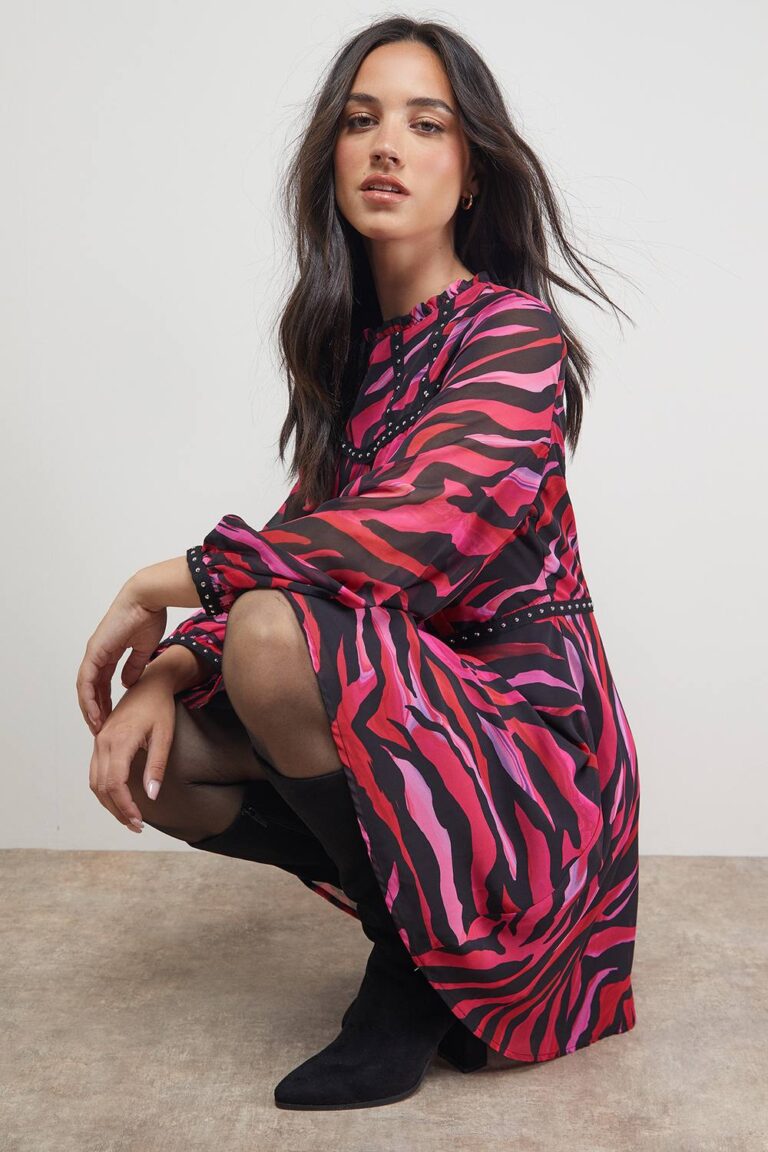 Woven Ballet Flats You’ll Actually Want to Walk In

 Work Ballet Flats for Monday to Friday

 Comfortable Winter Ballet Flats That Still Look Good

 Wide Fit White Ballet Flats We’d Buy Again

 The Prettiest Wide Fit Black Ballet Flats Around Right Now

 White Suede Ballet Flats: Our Honest Shortlist

 The Best Looking White Strappy Ballet Flats Out There

 White Slip On Ballet Flats: Our Honest ShortlistAlso worth a lookFlatsFlats come into their own in that stretch of the year when the weather cannot decide what it…See the collections →

 White Satin Ballet Flats Worth Putting Your Best Foot Forward In

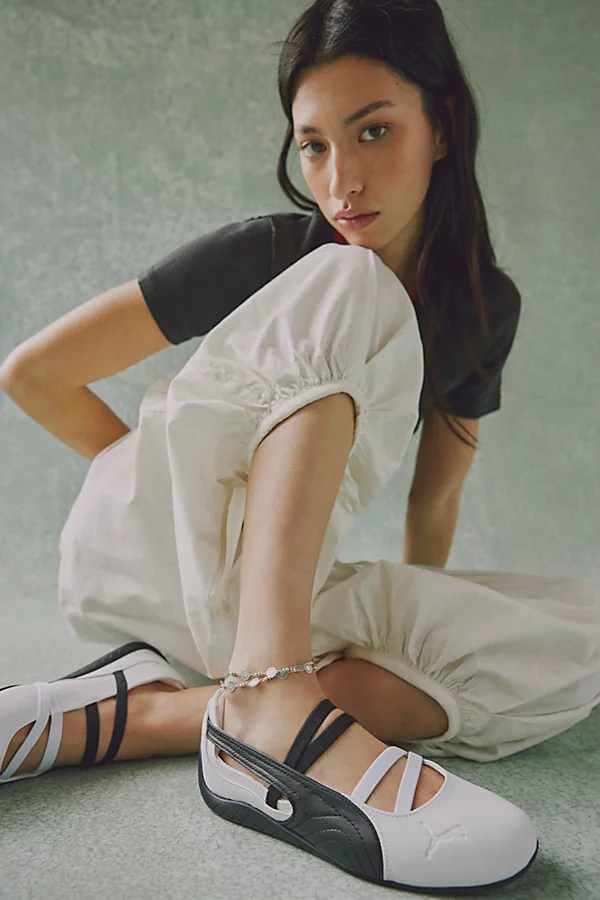 White Round Toe Ballet Flats: Our Current Favourites

 The Best White High Ballet Flats to Shop Now

 The White Comfort Ballet Flats We’re Eyeing Up This Season

 Wedge Ballet Flats: Our Top Picks

 The Wedding Ballet Flats We’d Wear All Day

 The Velvet Ballet Flats We Keep Going Back To

 Vegan Ballet Flats Worth Putting Your Best Foot Forward In

 Our Shortlist of Tan Ballet Flats

 Suede Ballet Flats We’d Happily Wear Out the Door

 Strappy Ballet Flats That Tick Every Box

 Sock Ballet Flats: Picks We Stand By

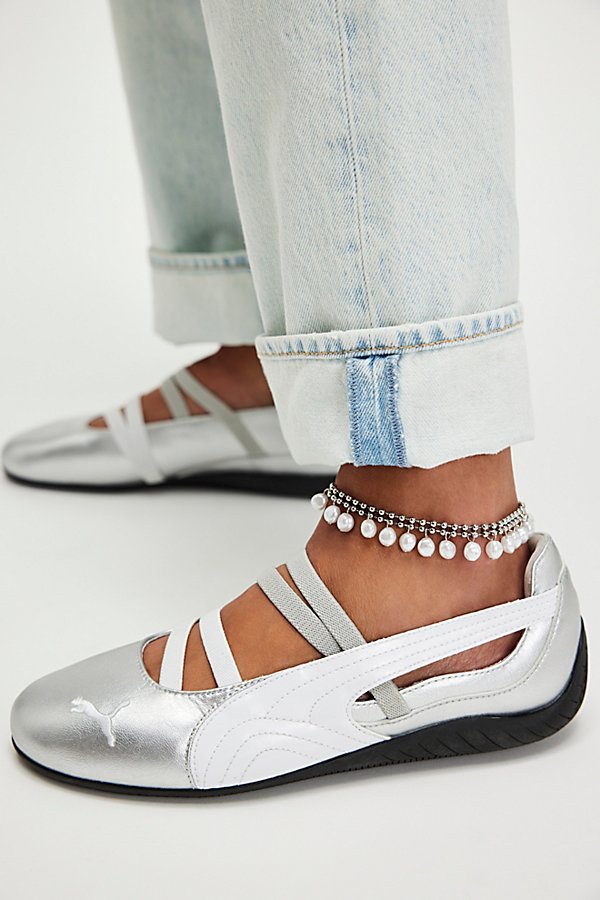 Silver Leather Ballet Flats That Go With Everything

 Standout Silver Ballet Flats to Shop

 Our Edit of the Best Satin Ballet Flats

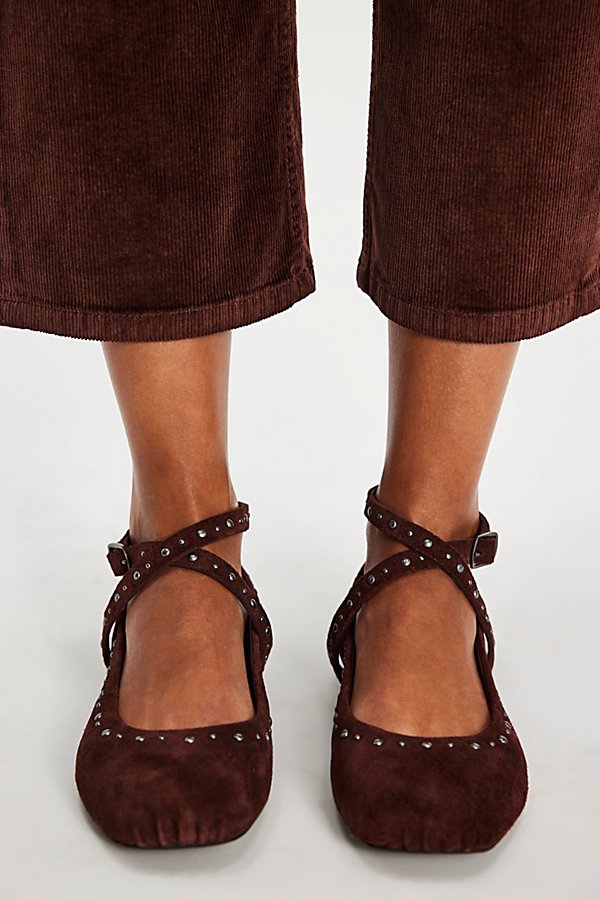 Round Toe Ballet Flats That Tick Every Box

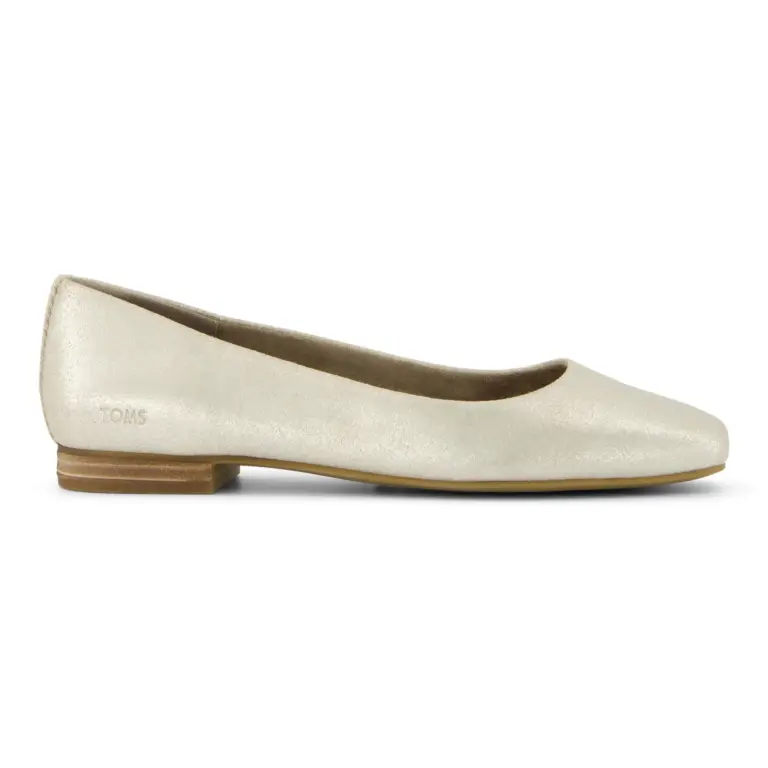 Rubber Ballet Flats That Tick Every Box

 Red Ballet Flats Actually Worth Buying

 Raffia Ballet Flats We Think You’ll Love

 Pink Woven Ballet Flats Edited Down to the Best

 A Closer Look at the Best Pink Ballet Flats

 Patent Ballet Flats We’ve Been Saving

 Party Ballet Flats Worth Adding to Your Wardrobe

 Nude Ballet Flats: Our Current Favourites

 Shop the Edit: Navy Ballet Flats


