The minute the weather turns warm enough for bare legs and a bit of pavement café sitting, wedges start making sense again. They land somewhere between a trainer and a proper heel, which makes them the thing you reach for when you want to look like you've made an effort without wobbling your way across cobbles or a gravel car park. Weddings in a marquee, a long day walking round somewhere new, an evening that starts on grass and ends on a dance floor, that's the territory where wedges earn their place over anything with a thin heel.
Where they fall apart, literally in some cases, is anywhere that involves a lot of stairs or a long walk on a hard surface, because the sole doesn't flex the way a trainer does and your feet will know about it by mid afternoon. In the shop, check how the wedge is attached to the sole underneath the shoe, not just how it looks from the side, because a lot of cheaper ones are glued rather than stitched or moulded properly, and that's the first place they go. Have a proper walk around in them, not just three steps by the till, since the platform height at the front matters more than the heel height at the back for comfort. Check the inside edge where the strap meets the footbed too, that's where blisters start on a shoe that otherwise feels fine standing still.
Wedges age in a particular way. The cork or rubber wedge itself tends to scuff and darken at the edges first, especially if you're walking on anything rough, so wipe it down rather than let grit sit in there and wear a groove. Leather uppers soften and mould to your foot over a season, which is lovely, but suede ones mark if they get rained on and need a proper brush rather than a wet wipe to come back from it. If they've got any kind of canvas or rope detailing, that's the part that frays first, usually around week eight of heavy wearing, so don't buy a pair with rope wedges if you're planning to live in them all summer. A shoe bag in your holiday case stops the straps creasing against everything else, and it's a small habit that saves the leather.
The difference between a good pair and a sad one is almost always in the wedge itself, a solid, evenly finished block rather than a hollow sounding one, proper stitched straps instead of glued trims that lift after a few wears, and a footbed with enough shape to stop your foot sliding forward all day. Buy on how the wedge is built, not on how good it looks on the shelf.

 Work Wedges That Go With Everything

 Woven Wedges We’d Recommend to a Friend

 The Wide Fit Navy Wedges on Our Wishlist

 Wide Fit Wedges: Our Honest Shortlist

 Standout Wide Fit Gold Wedges to Shop

 White Woven Wedges That Tick Every Box

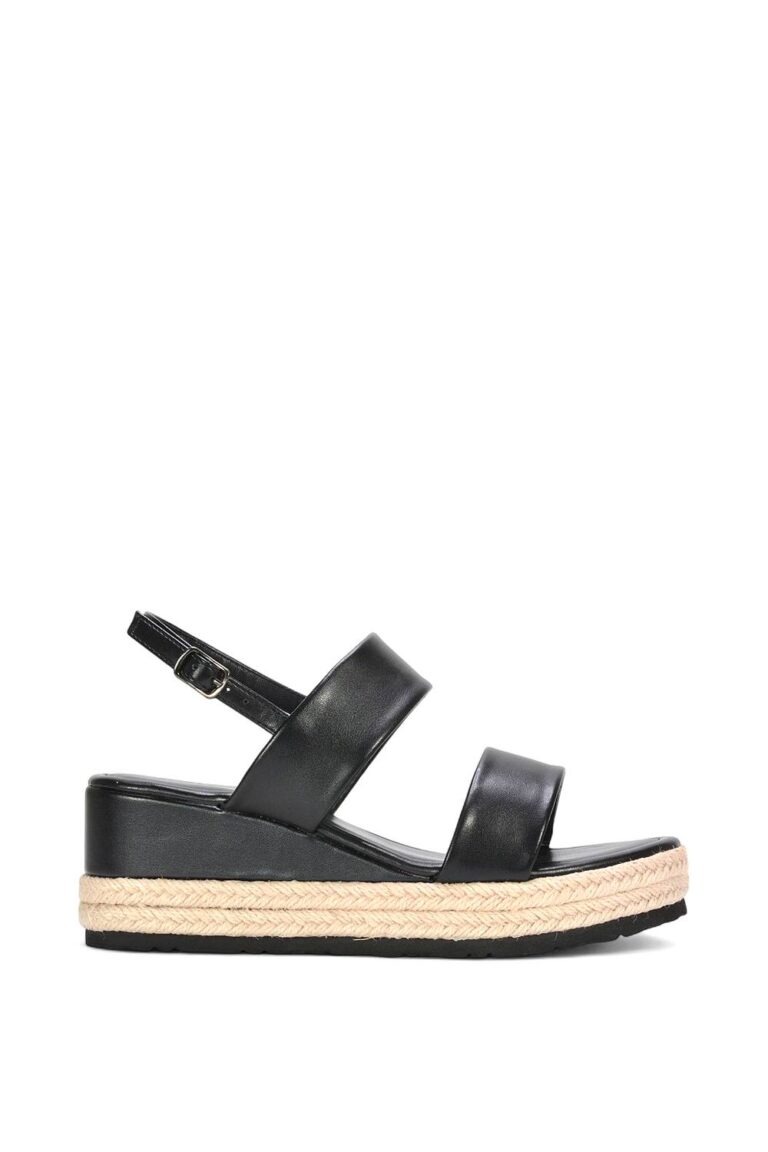 White Platform Wedges That Go With Everything

 White Leather Wedges Worth Putting Your Best Foot Forward In

 White High Wedges We’ve Been SavingAlso worth a lookHeelsThe single most useful thing to know before buying heels is that the height matters far less than where the heel sits under your foot.See the collections →

 Comfortable White Comfort Wedges That Still Look Good

 Wedding Wedges We’d Happily Wear Out the Door

 The Wedges We Keep Going Back To

 Tan Wedges We’re Adding to Basket

 Summer Wedges We’d Recommend to a Friend

 A Closer Look at the Best Slip On Wedges

 Silver Wedges We’d Happily Wear Out the Door

 The Best Satin Wedges to Shop Now

 The Rubber Wedges Worth Your Wardrobe SpaceAlso worth a lookFlatsFlats come into their own in that stretch of the year when the weather cannot decide what it…See the collections →

 Round Toe Wedges That Make an Outfit

 Our Favourite Pink Woven Wedges

 The Platform Wedges We’d Wear All Day
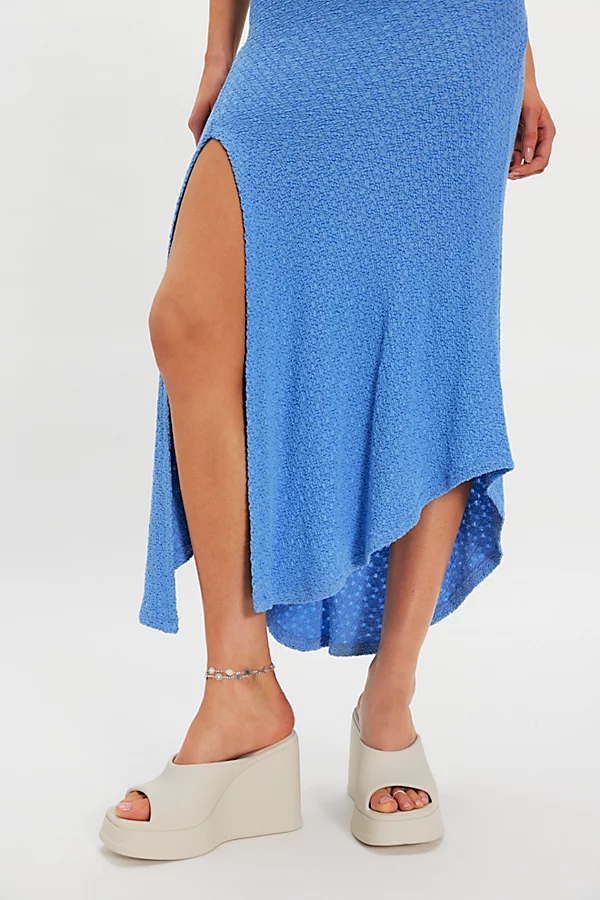
 The Best Looking Pink Wedges Out There
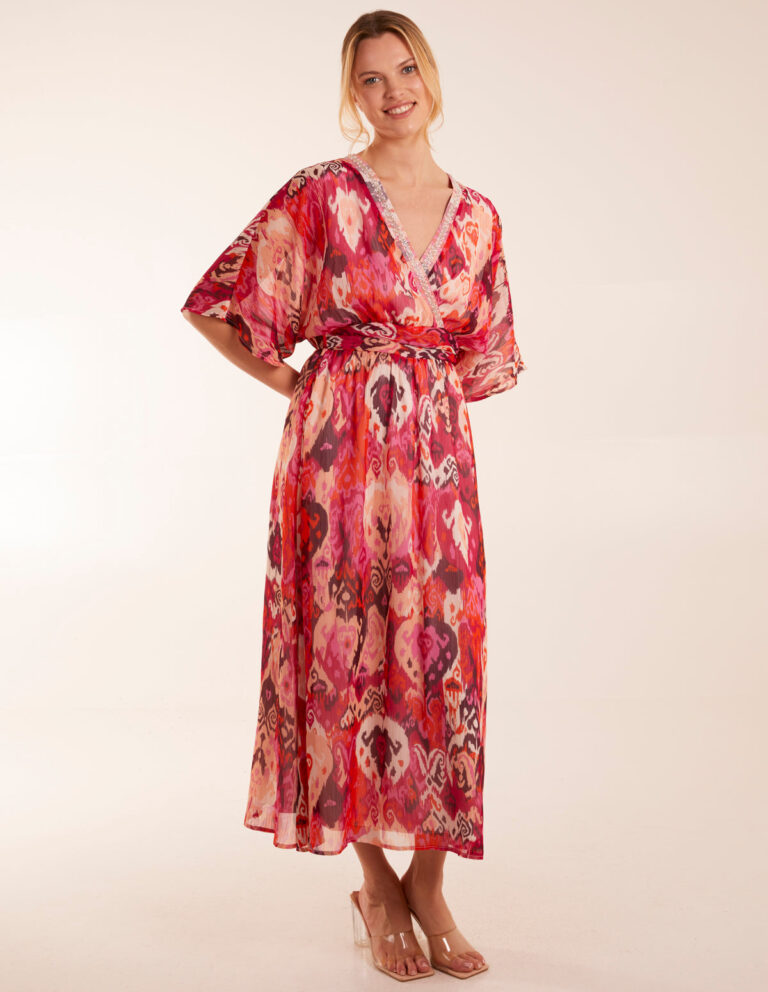
 Party Wedges We’d Recommend to a Friend

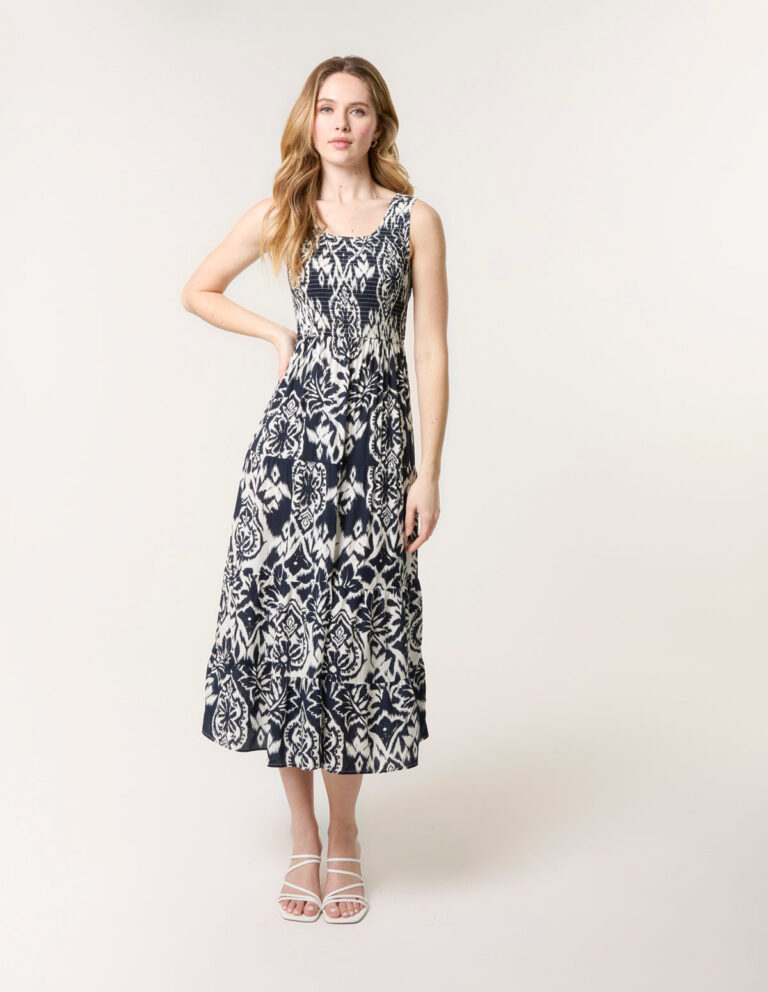 Our Favourite Navy Wedges
 The Best Looking Metallic Wedges Out There

 Metallic Woven Wedges With Real Wardrobe Staying Power

 The Low Wedges We’d Wear All DayAlso worth a lookPumpsPumps went through a properly scruffy patch for a while there, all synthetic uppers and glued soles that…See the collections →

 Leopard Print Wedges Edited Down to the Best

 Where to Find the Best Lace Up Wedges

 The Best Holiday Wedges to Shop Now

 High Wedges Edited Down to the Best

 Handpicked Heeled Wedges We Keep Coming Back To

 The Green Woven Wedges Worth Your Wardrobe Space

 Comfortable Green Wedges That Still Look Good

 A Closer Look at the Best Gold Wedges