A satin shirt suits anyone who wants a plain top to look like more effort than it was, the sort of thing that makes jeans look like a decision rather than a default. It's particularly good if you like a bit of shine without going full party fabric. Where it gets tricky is on anyone who sweats easily or moves around a lot during the day, because satin shows every damp patch and clings in a way cotton never would, so if you're on your feet all day or prone to overheating in meetings, it's worth thinking twice.
It's the wrong choice for anywhere you need to look polished and also do physical things. Satin creases if you sit in it wrong, it shows pin marks from a bra strap, and it is not forgiving of a big lunch the way a looser cotton shirt is. It also isn't a great layering piece, because anything on top slides straight off that slippery surface, and anything underneath shows through if the fabric is thin, which a lot of the cheaper ones are. I've worn one under a blazer and spent the whole day hoiking the shirt back into place every time I moved my arm.
On fit, go up a size if you're between two, because satin has very little give and a tight satin shirt pulls across the back and gapes at the bust in a way that looks like a mistake rather than a style choice. Check the sleeve length properly, satin shirts often come with a longer cuff than you'd expect and it can sit past the wrist bone rather than at it, which looks sloppy rather than relaxed. The collar is worth checking too, a soft satin collar that's cut badly will just flop rather than sit with any structure.
The difference between a good one and a disappointing one is mostly in the weight and the weave. A proper silk or a heavier satin weave with some substance to it drapes rather than clings, and it doesn't go see through under shop lighting. Cheaper polyester satins feel thin and a bit plasticky, and they pill under the arms within a few washes. Look at the buttons too, mother of pearl or a proper resin button feels different to a flat plastic one that catches on itself. French seams or a neat flat seam at the side will stop it twisting when you wash it.
It gets better with wear in some ways, the stiffness in a new satin shirt softens after a few washes and it starts to move properly rather than feeling like it's wearing you. But it does lose some of that initial shine over time, and a satin shirt that's had a hard life looks tired rather than characterful, it just looks like it needs replacing.

 Wrap Satin Shirts for Off Duty Days

 Work Satin Shirts We’d Recommend to a Friend

 White ShirtsWhite Satin Denim Shirts: Our Current Favourites

 White ShirtsWhite Denim Satin Shirts That Work Hard in Your Wardrobe

 White ShirtsThe Edit: White Button Satin Shirts

 V Neck Satin Shirts Worth Layering

 Everyday Tie Front Satin Shirts We Love

 Tall Satin Shirts We’d Happily Wear on Repeat

 Black ShirtsTall Black Satin Shirts That Feel SpecialAlso worth a lookDenim ShirtsThat stretch between seasons, when it is not quite warm enough for nothing and not cold enough for a coat, is when a denim shirt earns its spot.See the collections →

 Slim Fit Satin Shirts We’d Recommend to a Friend

 Silk Satin Shirts We’d Happily Wear on Repeat

 Oversized ShirtsStandout Satin Oversized Shirts to Shop

 Denim ShirtsHandpicked Satin Denim Shirts We Keep Coming Back To

 The Ribbed Satin Shirts Shortlist

 Red Satin Shirts: Our Honest Shortlist

 Oversized ShirtsOversized Satin Shirts Worth Layering

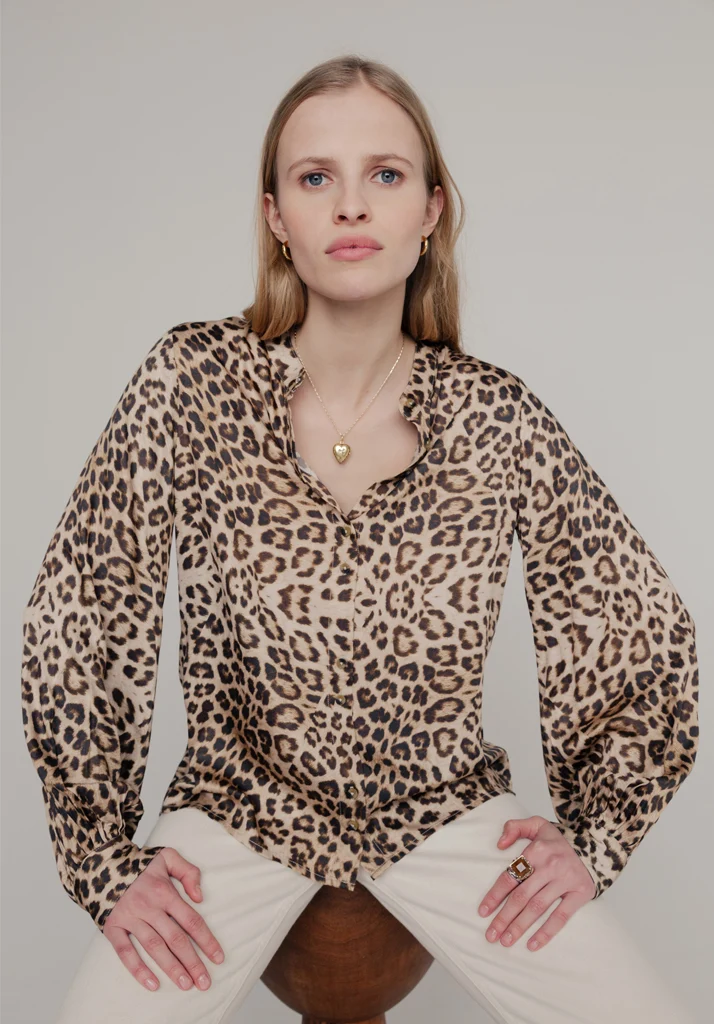 Shop Our Favourite Leopard Print Satin Shirts

 Lace Satin Shirts Edited Down to the BestAlso worth a lookOversized ShirtsAn oversized shirt is the thing you put on when you want to look like you've made an effort without doing any of the usual work.See the collections →

 Khaki Satin Shirts That Have Caught Our Eye

 Jersey Satin Shirts: Our Honest Shortlist

 High Neck Satin Shirts Actually Worth Buying

 Shop Our Favourite Grey Satin Shirts

 Our Kind of Green Satin Shirts

 Gold Satin Shirts That Feel Special

 Going Out Satin Shirts on Our Radar

 Floral Satin Shirts to Wear With Your Favourite Jeans

 Fitted Satin Shirts Worth LayeringAlso worth a lookLinen ShirtsI put off linen shirts for years because the first one I owned creased if I so much…See the collections →

 The Edit: Evening Satin Shirts

 Denim ShirtsDenim Satin Shirts That Earn Their Place

 Shop Our Favourite Cut Out Satin Shirts

 Everyday Cropped Satin Shirts We Love

 Cream Satin Shirts: Our Current Favourites

 Cotton ShirtsFinding the Best Cotton Satin Shirts

 Everyday Christmas Satin Shirts We Love

 Shop the Edit: Check Satin Shirts


